technological musings on the San Francisco affordability crisis
I live in a house with 11 other people. It’s an old Victorian-style number complete with bay windows, wood floors, frequent plumbing problems, and pests. Like an increasing number of renters, the bottomless pit we toss our money into each month takes the form of a corporation that’s probably part of a real-estate index fund in your (and my) 401k.
Recently, we received a letter from our landlord informing us of their plan to raise our rent by the maximum legal amount. We already felt that we were paying too much, given the condition of our building and how slow the management is to address problems for which they are legally responsible. We’ve gone months without hot water, had sewage repeatedly coming out of our downstairs drains, dealt with leaking pipes, and when there’s any issue with the building, they drag their feet to provide a half-assed solution. Add to that the rising cost of living and the fact that many of us have been finding it hard to be comfortably employed lately, and it’s more than just a matter of principle that we push back. It’s a necessity.
Fortunately for us, we live in San Francisco, a city with relatively strong renter protections. As part of those protections, there exists a city agency called the Rent Board, which serves as a neutral party in disagreements between tenants and landlords. Meaning they can help us.
Not that I’m ungrateful, but the process of getting help from the Rent Board has required a fair amount of executive function, coordination and acting in spite of ambiguity. We can submit petitions to the Rent Board which either A.) delineate how the landlord has substantially reduced housing services without corresponding decrease in rent or B.) in the event of a rent increase, enumerate ways the landlord has failed to repair and maintain the property. We’re working on both A and B, which both take the form of PDF forms.
Speaking of which, PDF forms are the unholy offspring of paper and software. With a PDF, when one of us makes a change, we have to remember to re-upload the latest version somewhere everyone else can access it. Also, there’s a fixed number of rows in the table for enumerating our complaints, less than the number of complaints we ultimately decided to include, so we did some PDF surgery to add an additional copy of that page. Within this table, there is an easy-to-miss bit of text instructing the user to attach evidence and written notices to the landlord for each item, so we gathered that up and included it on additional pages, organized so it’s easy to find the corresponding evidence for each complaint. There’s also some overlap in terms of the information needed on both forms, which is annoying.
Another difficulty had to do with the inevitable uncertainty involved in mapping the complex, messy details of our collective recollections and lived experiences to the form’s strictures. I am grateful that I was able to get someone from the Rent Board on the horn to answer all my questions about the forms, like how to attach a dollar amount to two months without hot water.
Having been a software engineer for several years, I couldn’t help but think about how I could apply my professional background to improve this situation. I’d be willing to bet that there are a lot of legitimate grievances that are never formally considered by the Rent Board because the tenants involved simply lack the bandwidth to navigate the process as it currently exists. If there was an application that they could access on personal computers, smart phones, or public kiosks, and this application made it as easy to submit quality petitions as TurboTax makes doing taxes, what effect would this have on the Rent Board, tenants and landlords? On the housing rental market? On the city’s affordability crisis?
The Rent Board also accepts petitions from landlords, though I suspect that landlords generally have more bandwidth to submit petitions, so making the process easier for them wouldn’t have as much of an effect. But once the system is in place, it would be trivial to support the landlord’s petition forms too, and would be sporting.
So, how would this software work? At a high level, I envision a conversational interface, such as a chatbot, that would collect information from the user and generate the right kind of document for the Rent Board, which could be identical to the PDF form they use today. This wouldn’t necessarily involve AI (e.g. large language models or machine learning). TurboTax and Lemonade insurance have successfully deployed conversational interfaces long before OpenAI released ChatGPT. You could look as far back as ELIZA for an idea of how sophisticated chatbots can be without using modern AI techniques.
I would implement this vision as a mobile-friendly web application so that it’s easy to access on any device. It would need to integrate a identity system capable of determining whether someone is a San Francisco tenant, landlord or city employee, to prevent unauthorized use. It would need to be “multiplayer” in that multiple users can potentially view and interact with the same in-progress petition. Other requirements would probably become clear after talking to the Rent Board.
Writing this post is just the first step. I want to make this vision a reality. Not because I see a pile of money in it, though I do really need income. I want to “scratch my own itch” and in doing so, possibly make living in this city a bit easier for other renters. I’ve heard so many stories of negligent, abusive landlords, and now I’ve experienced it myself. It’s great that we have strong renter protections in this city, but it’s also one of the most expensive places to live in the country, so I think there’s still room for improvement.
It’s likely that if there’s a bottleneck, it’s with what happens after a petition is received by the rent board, and so making it easier for people to submit petitions would only make this bottleneck more obvious. If that’s the case, then this particular strategy to create my own job is probably ill-fated. I fully expect there to be a long series of impediments in the way of making this a reality, from finding the right people, selling the idea, selling myself, finding funding, politics, foul play… but if I can validate that this idea can significantly improve life for a large number of people, then I can persevere.
You might say, why don’t I use my software skills to found an AI B2B SaaS that turns a US state upside down and make a pile of money so I don’t have to rent anymore? Well, first of all, it’s not that easy. I know there’s other ways to finance home ownership, but they’re all similarly individualistic. It would solve the problem for me, but this individualistic mentality is part of what’s got us into this affordability crisis to begin with. More importantly, I think the practice of working an unfulfilling job because it will eventually provide the means to do what you actually care about is responsible for a lot of the ills in our society today, and I don’t want to be a part of that anymore.
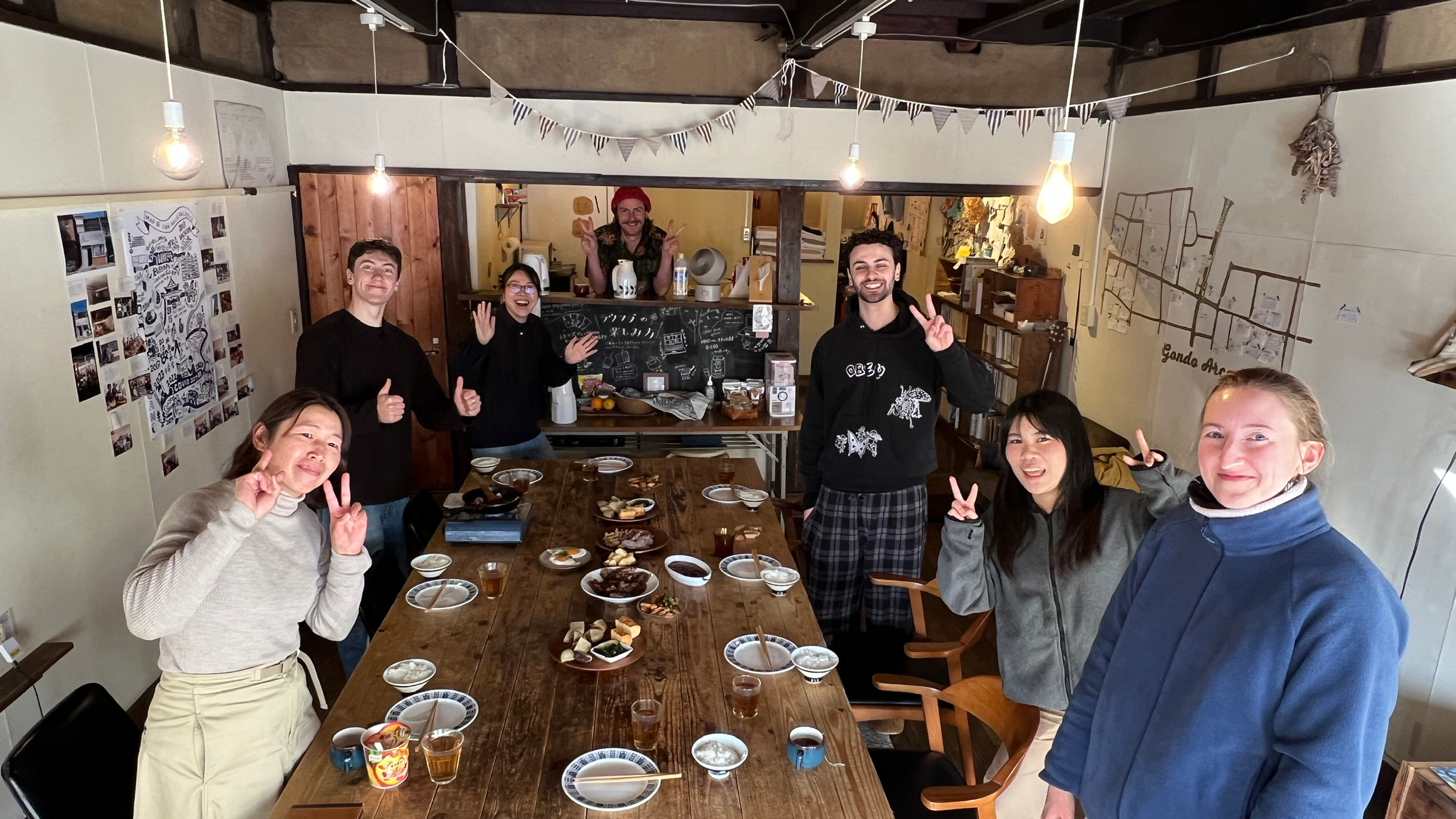 There’s the widespread impression (see “Lost in Translation”) that Japan is a socially isolating place for foreigners. While there may be some truth to that, there are absolutely many ways to connect with locals and other travelers. Ultimately, it’s about putting yourself out there, just perhaps slightly more than in other places.
 Use an app called Tabelog to find restaurants. At the time of writing, it has the most comprehensive data of any app I’ve tried, and Japan-specific features.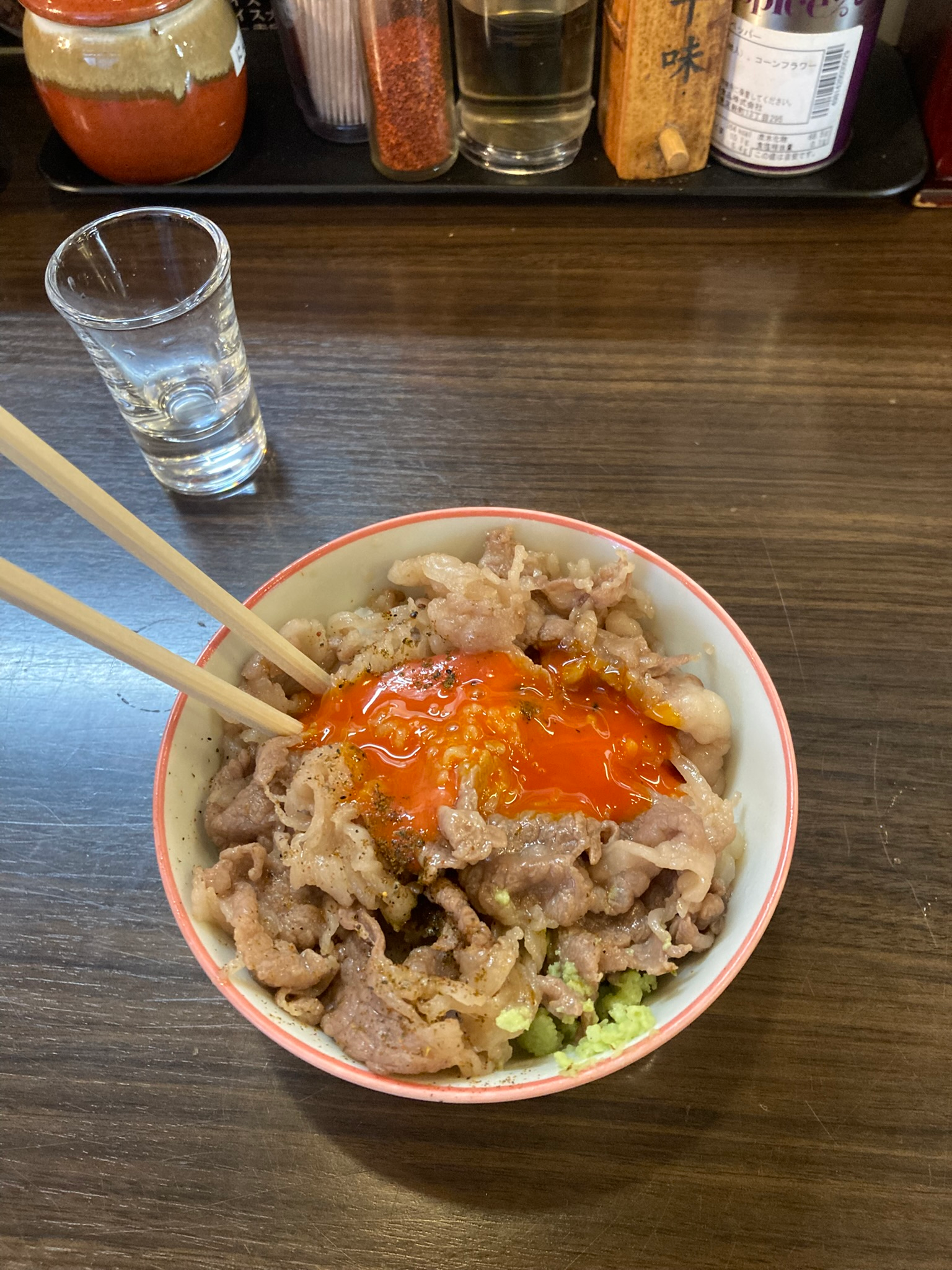
 Opt for the excellent selection of prepared food from a nearby konboni for dinner.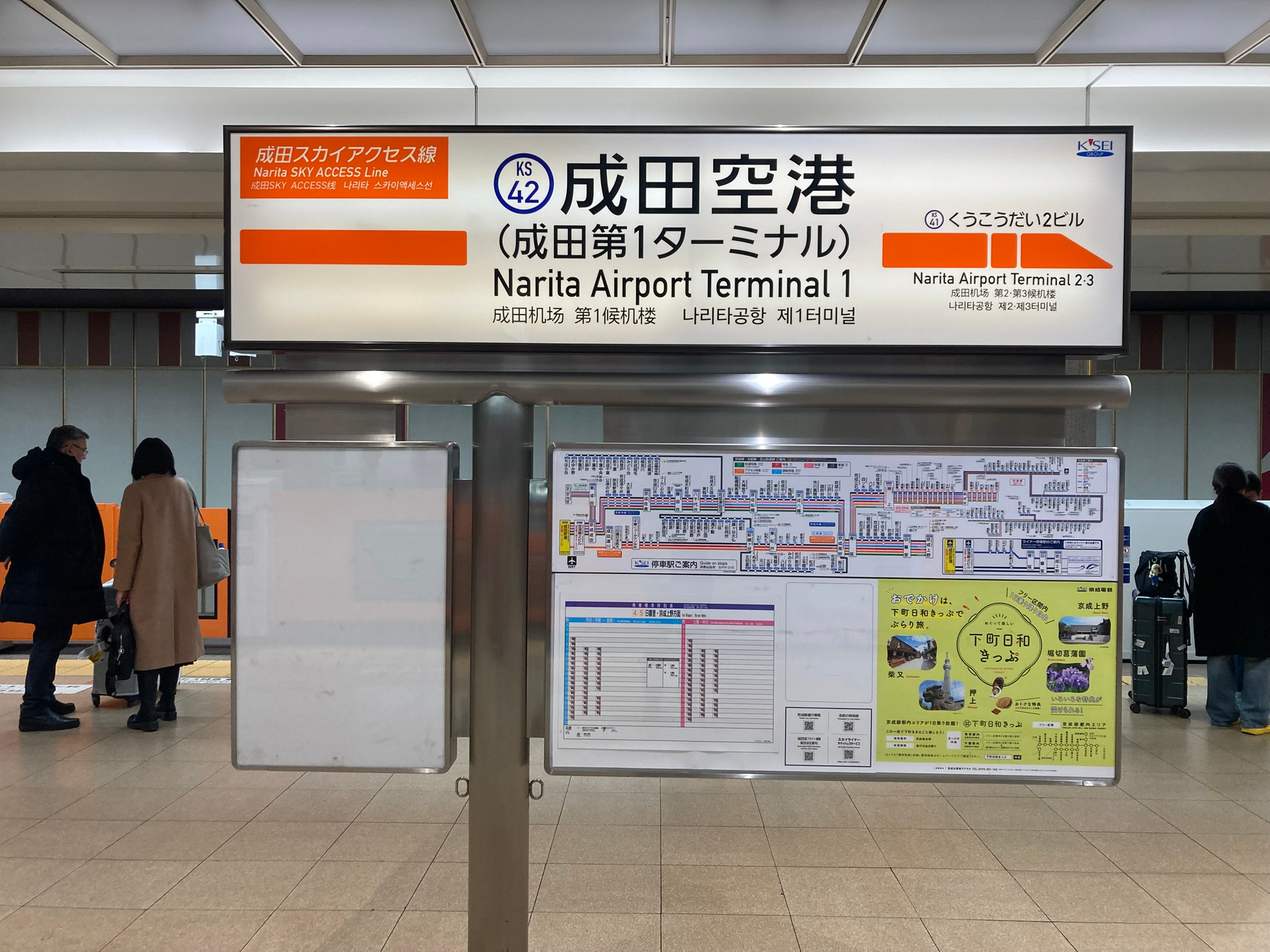
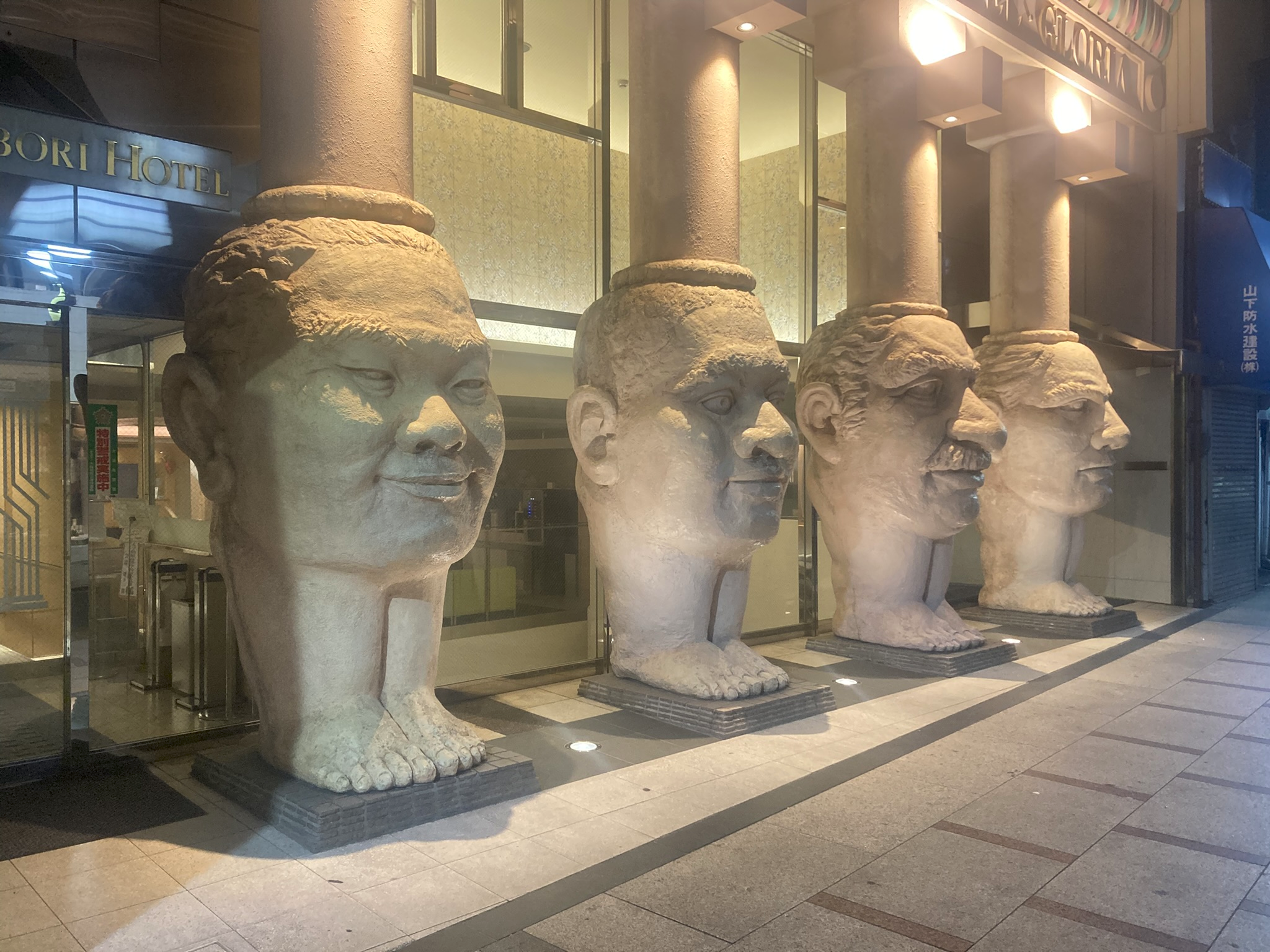 An opinionated guide to one of Osaka’s liveliest nightlife districts.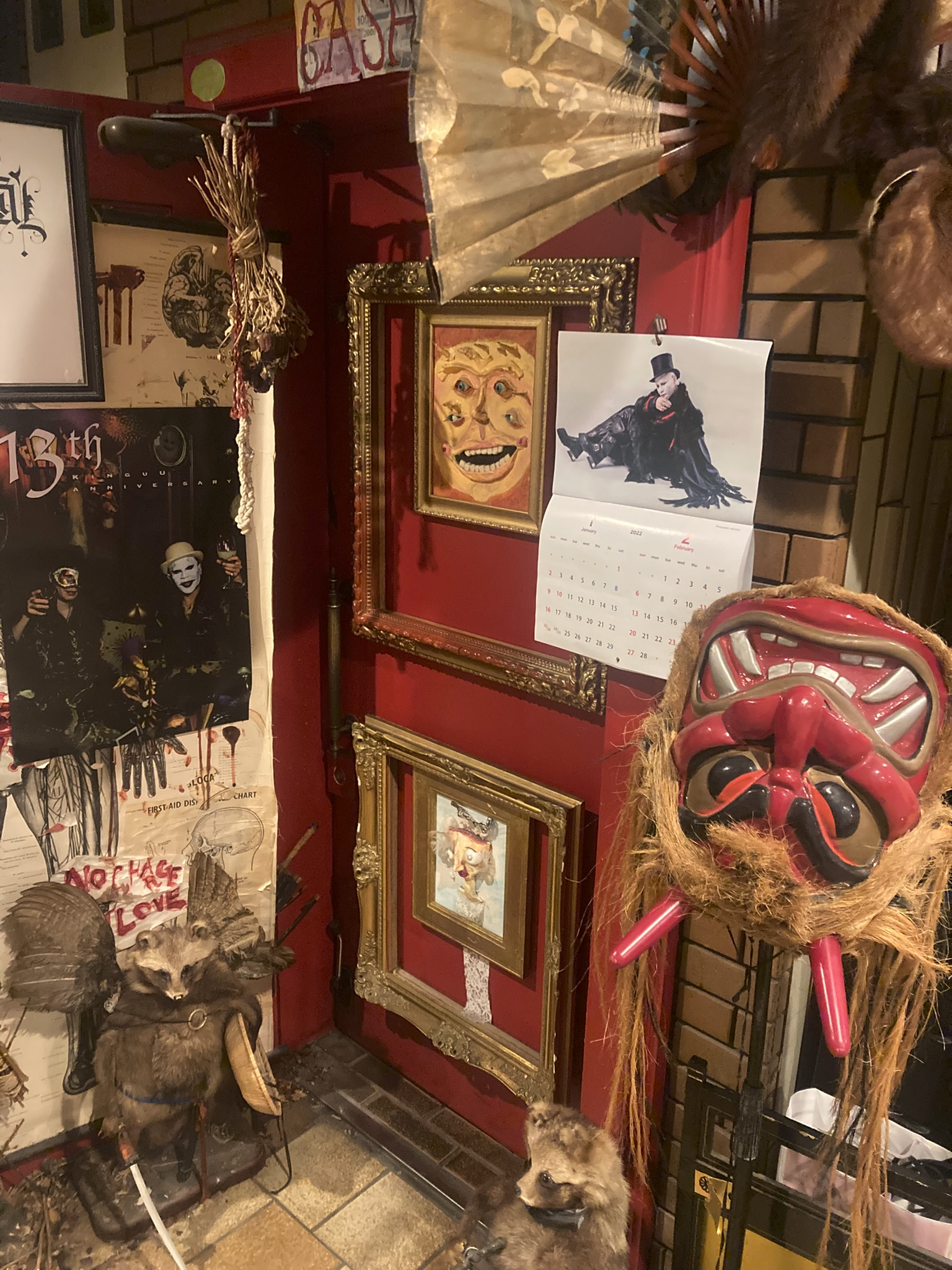
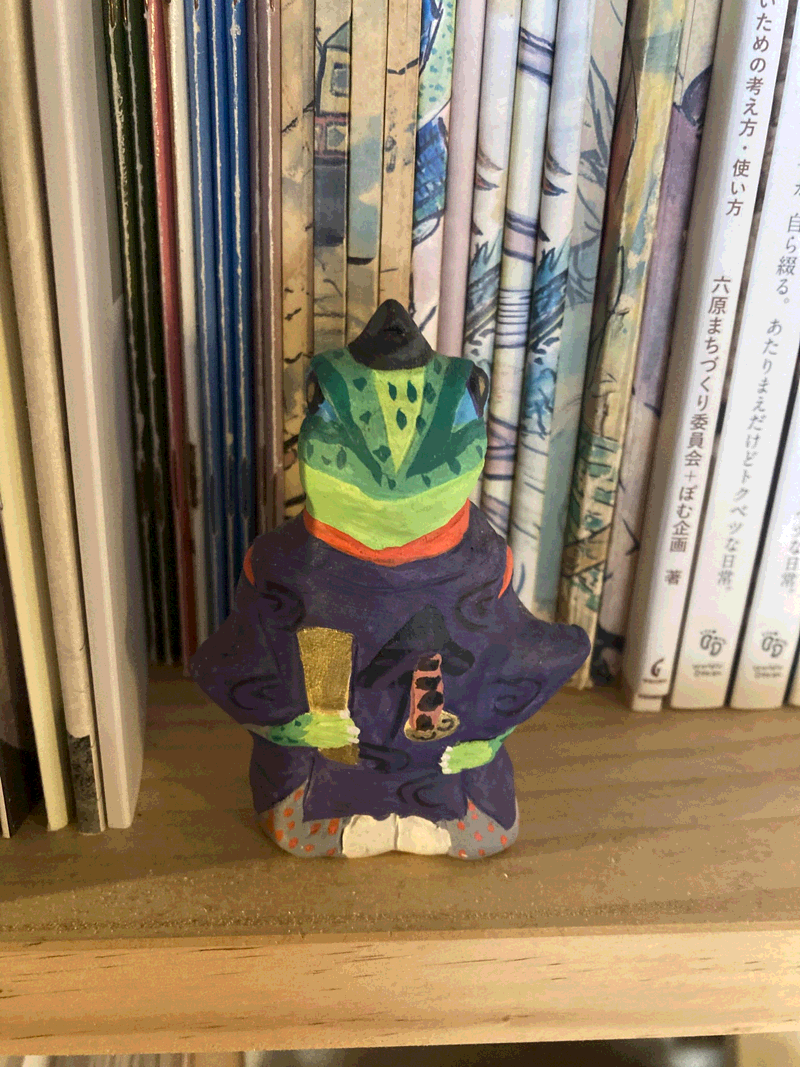
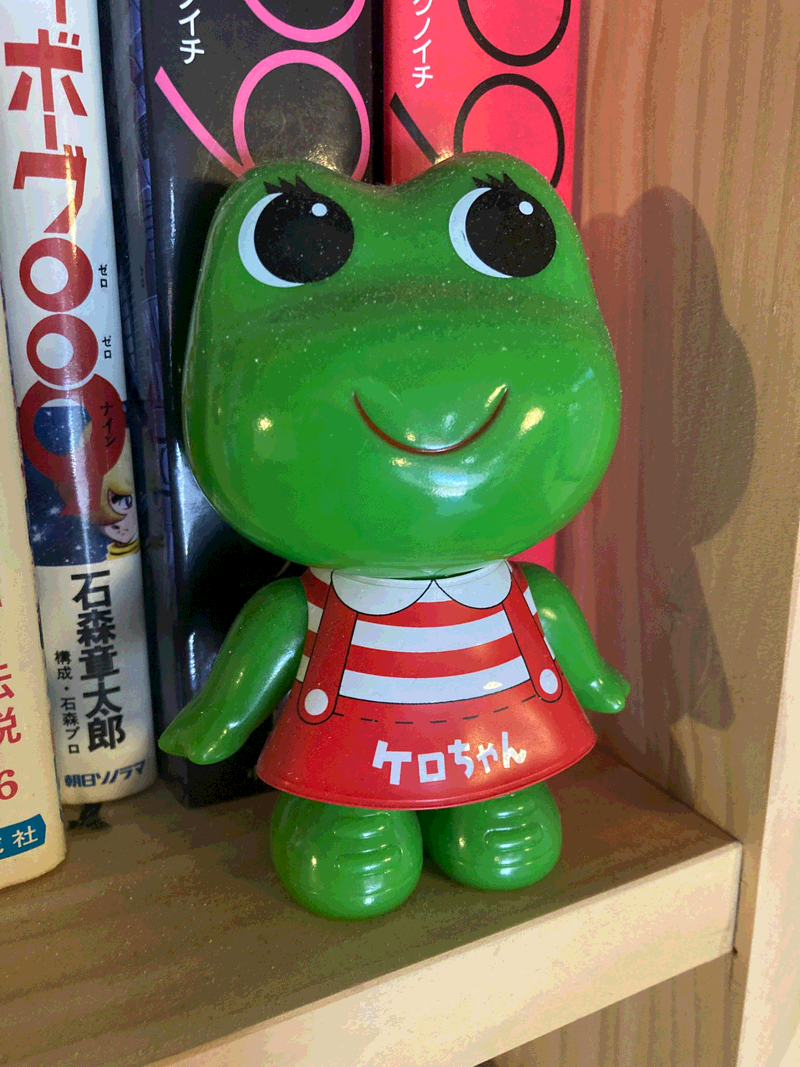
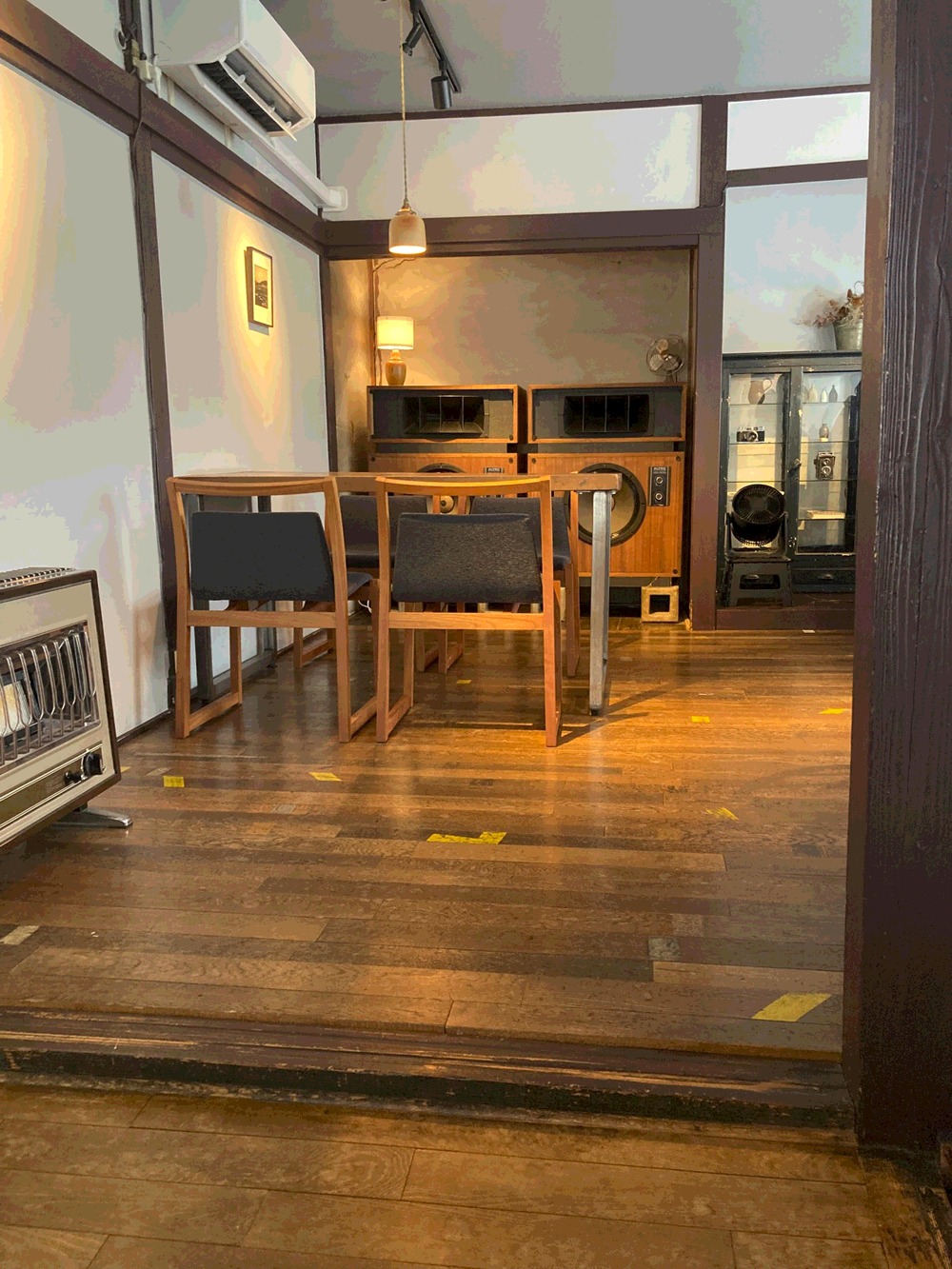
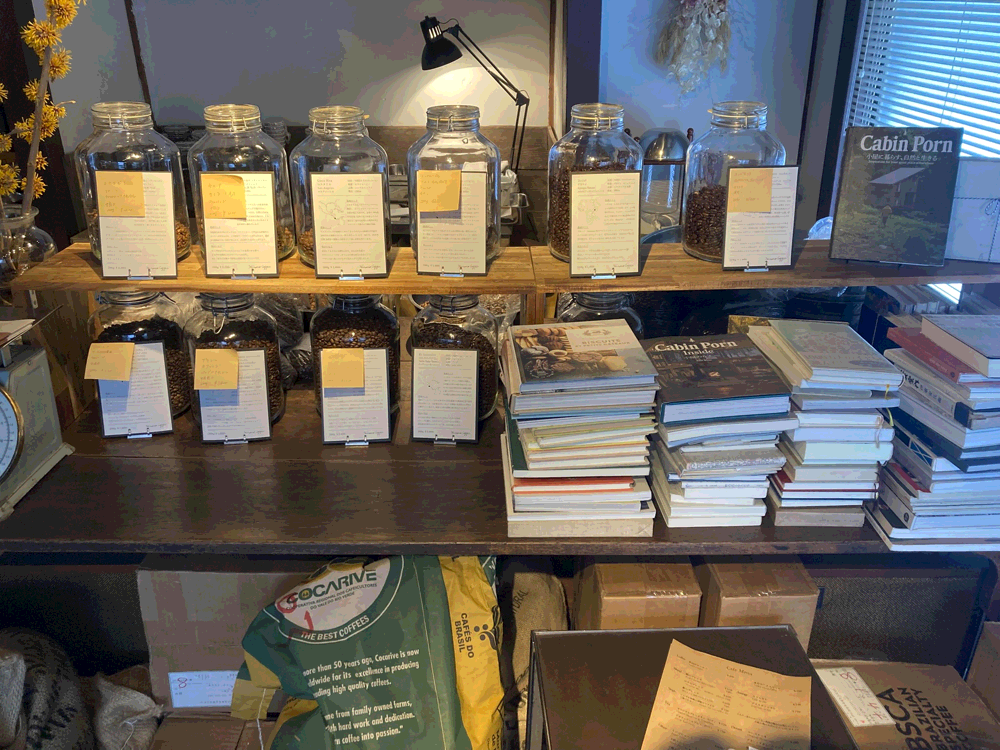
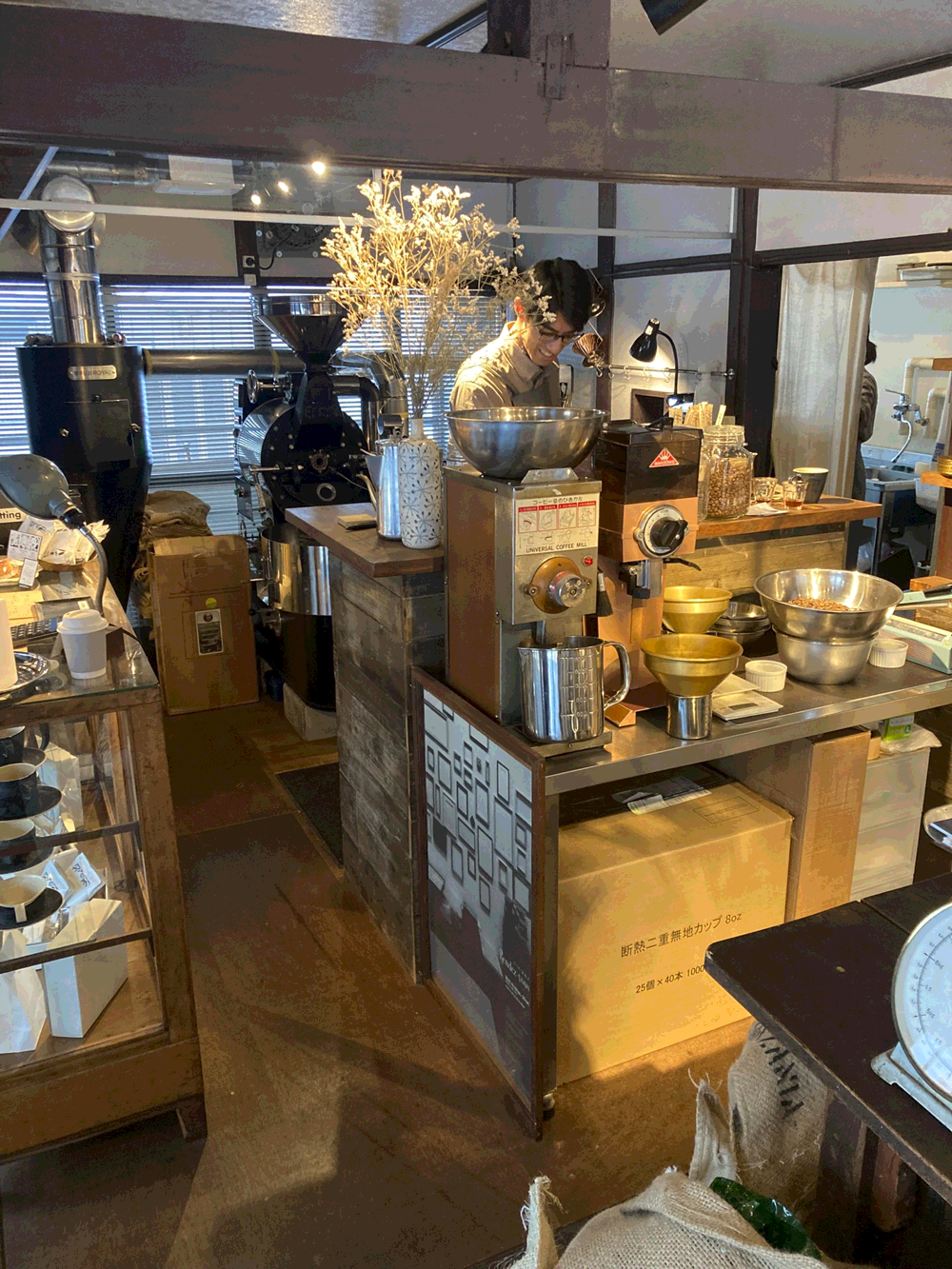
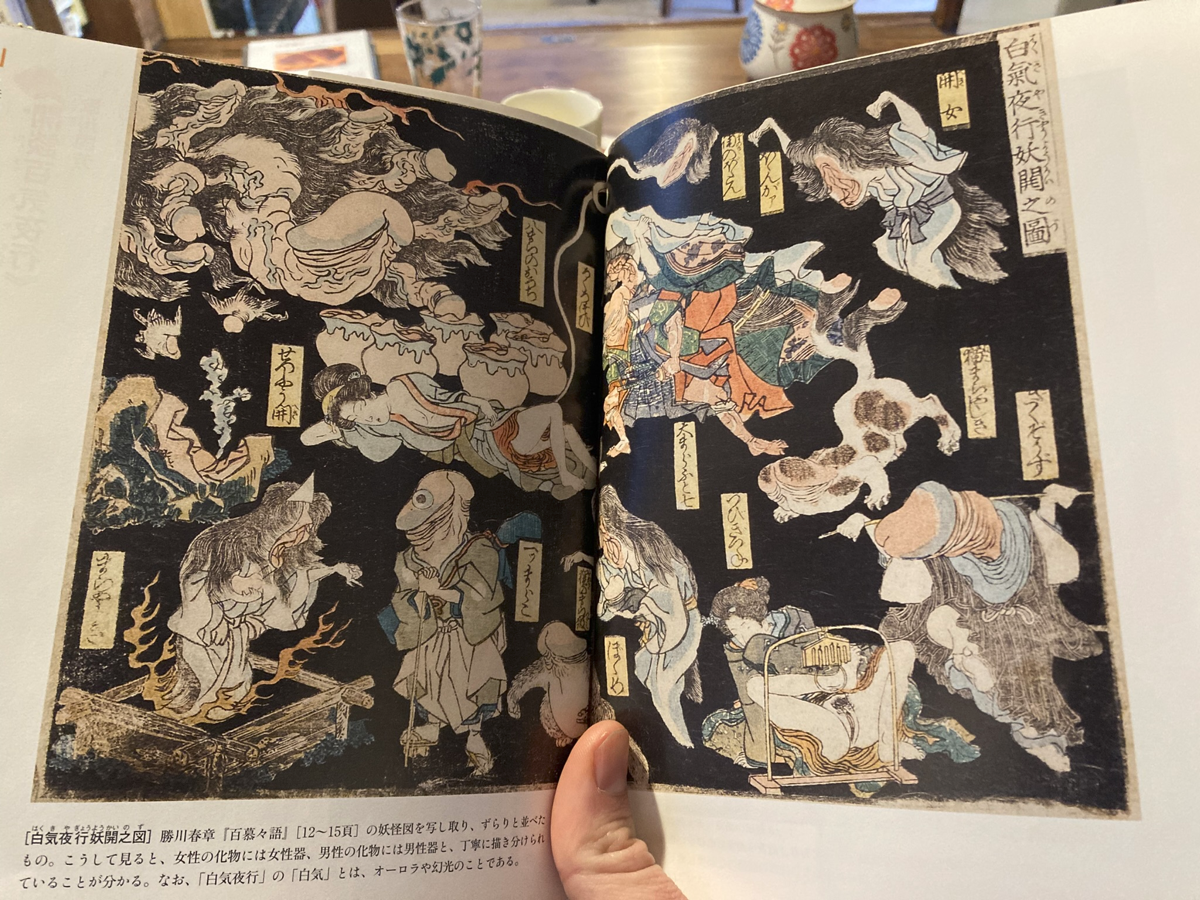 A little artful retro porn and great coffee, a perfect pairing. Happy valentines day!
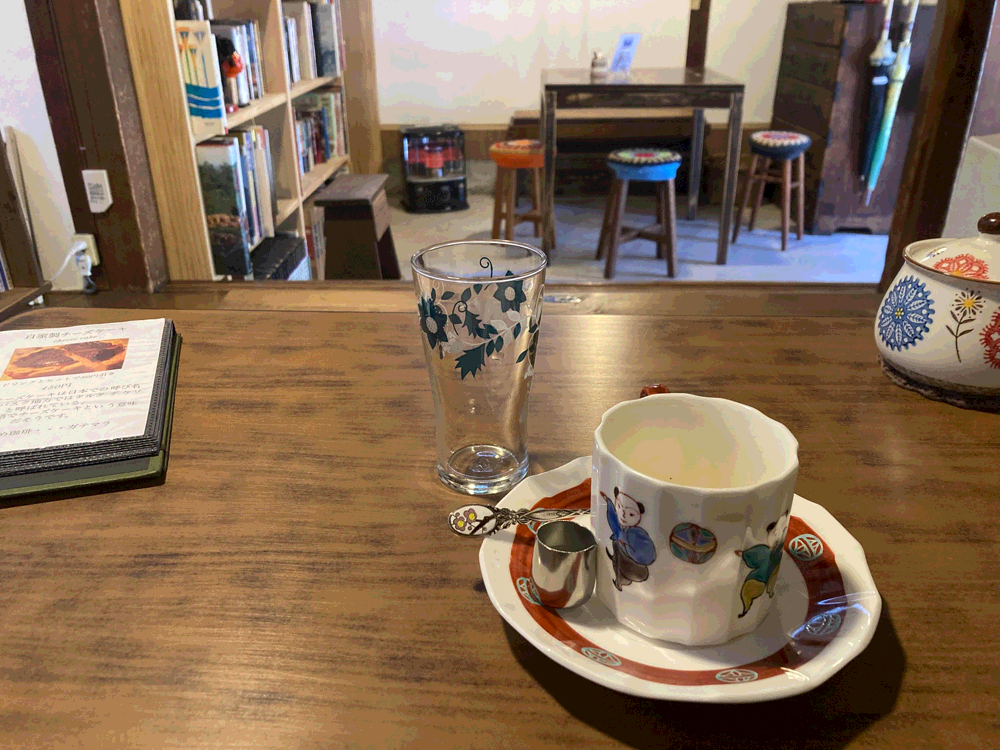 At the castle, I decided to have some fun with the abundance of snow on the ground, and started throwing snowballs at a tree, for target practice. You know, like normal thing to do when visiting a national treasure. A woman in a orange jacket I had walked by earlier approached me. I dropped the snow and turned to face her.
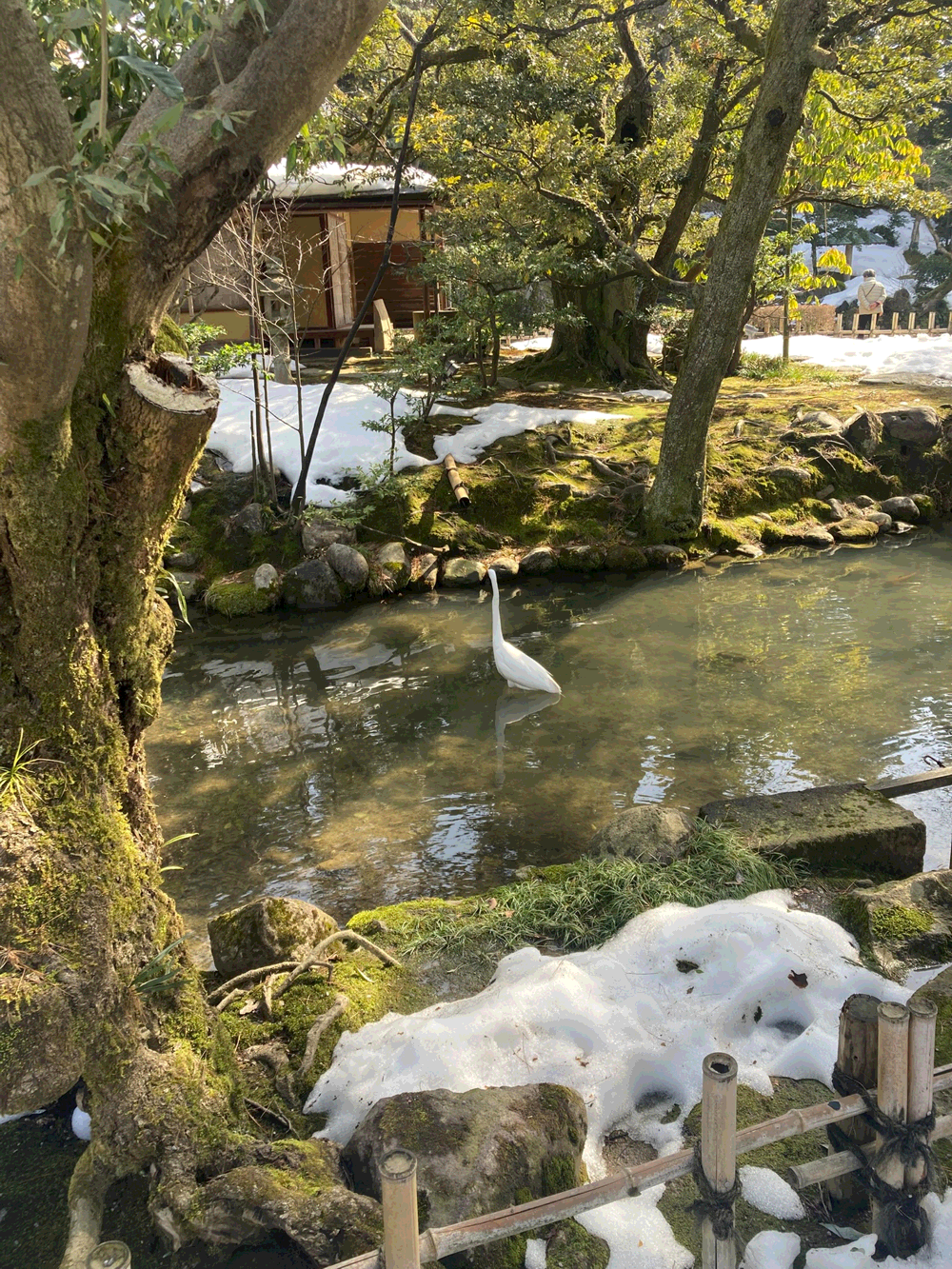 The lord of the clan was very particular about the sound of water in the garden. The clever gardeners figured out how to create four distinct sounds of water that can be enjoyed in their own area of the park. Can you guess what those four sounds are?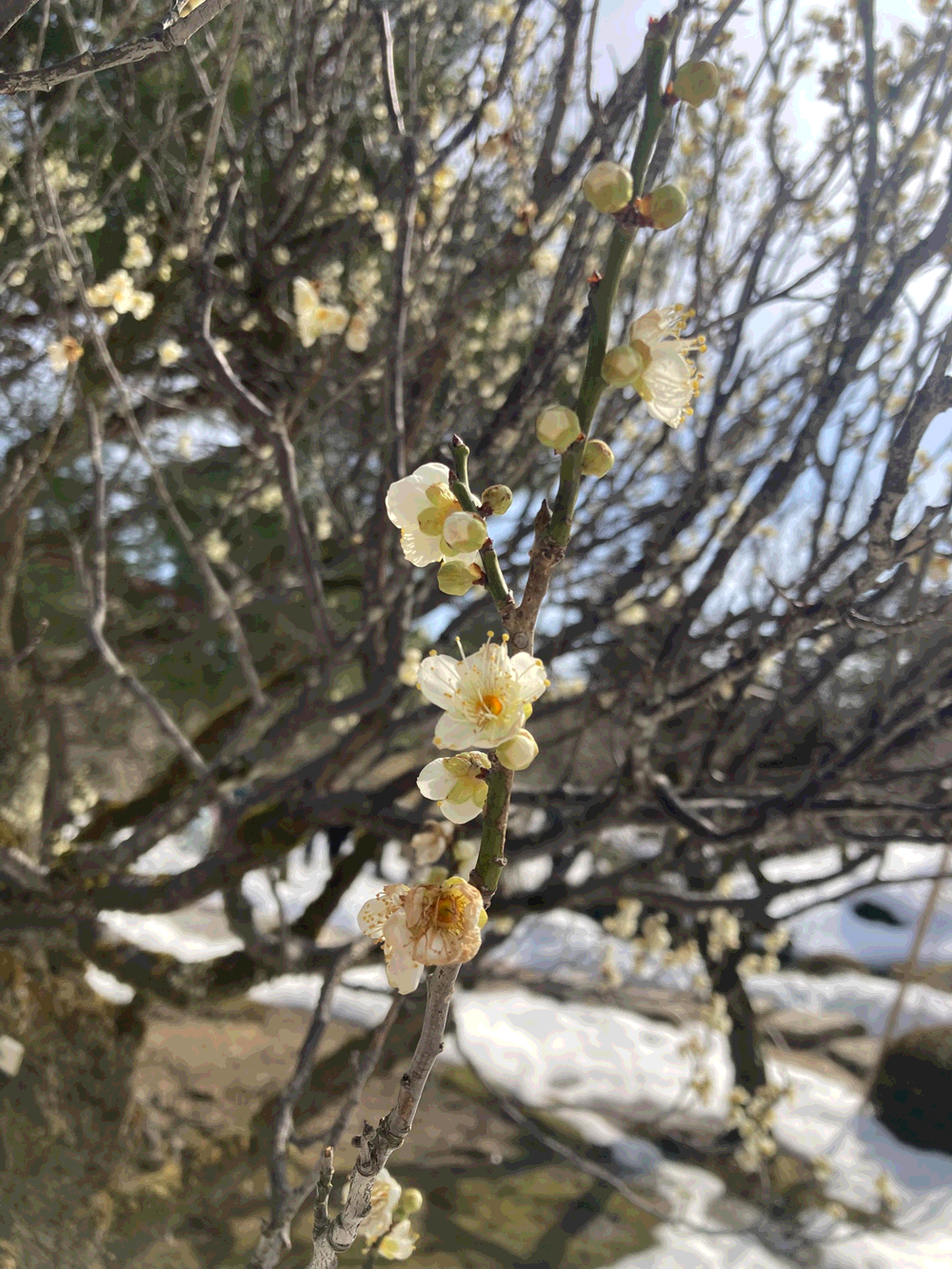
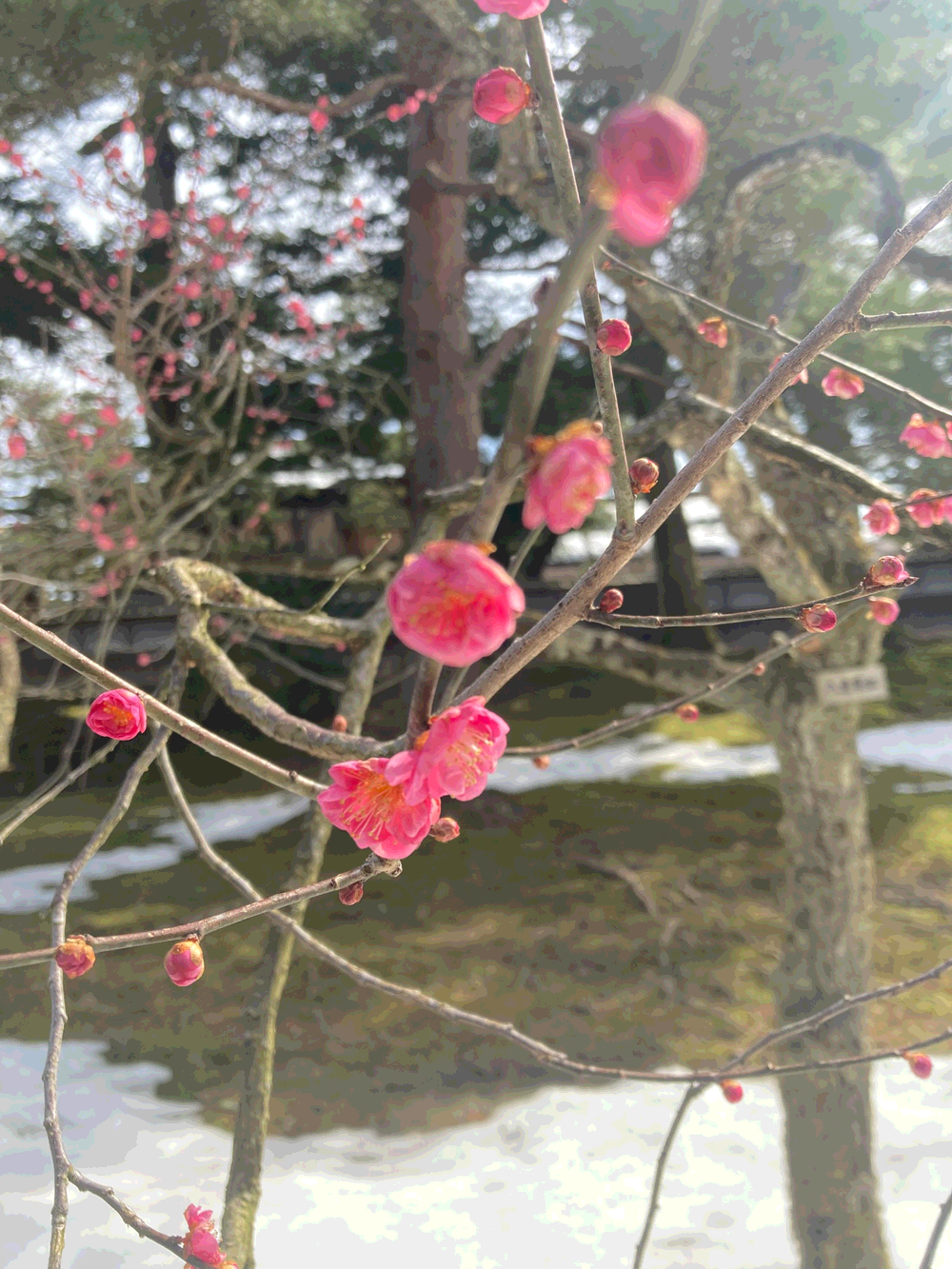
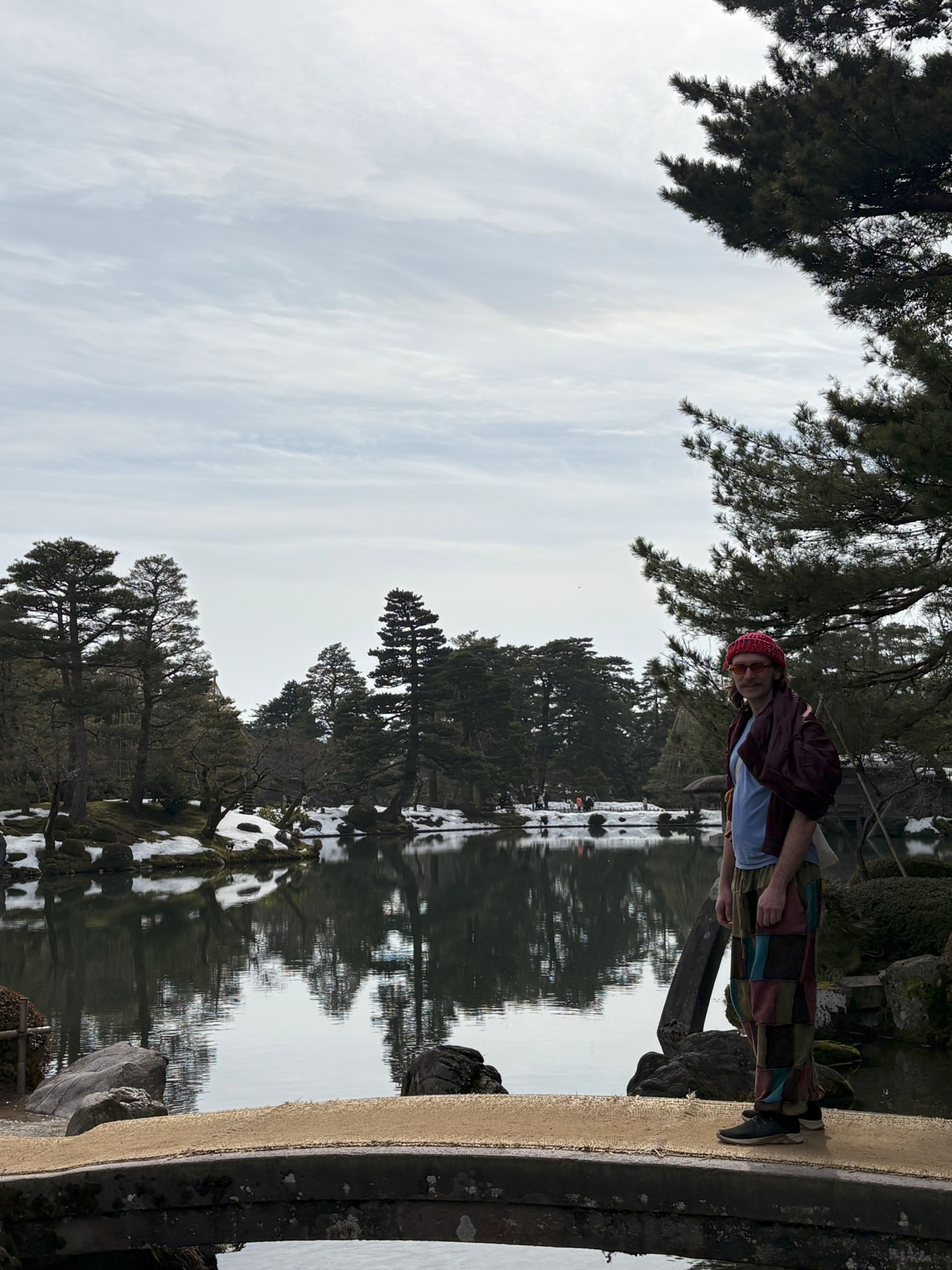 There is a cohesive design to the castle and gardens with an eye towards security. Water was diverted from a river into an artificial pond on top of a hill in the garden. If the castle was under siege, a plug would be pulled. That would drain the water from this lake and fill up the moats around the castle. There were also turrets in the castle that had a facade making them blend in to the rest of the wall from the outside. Lots of other clever stuff like that…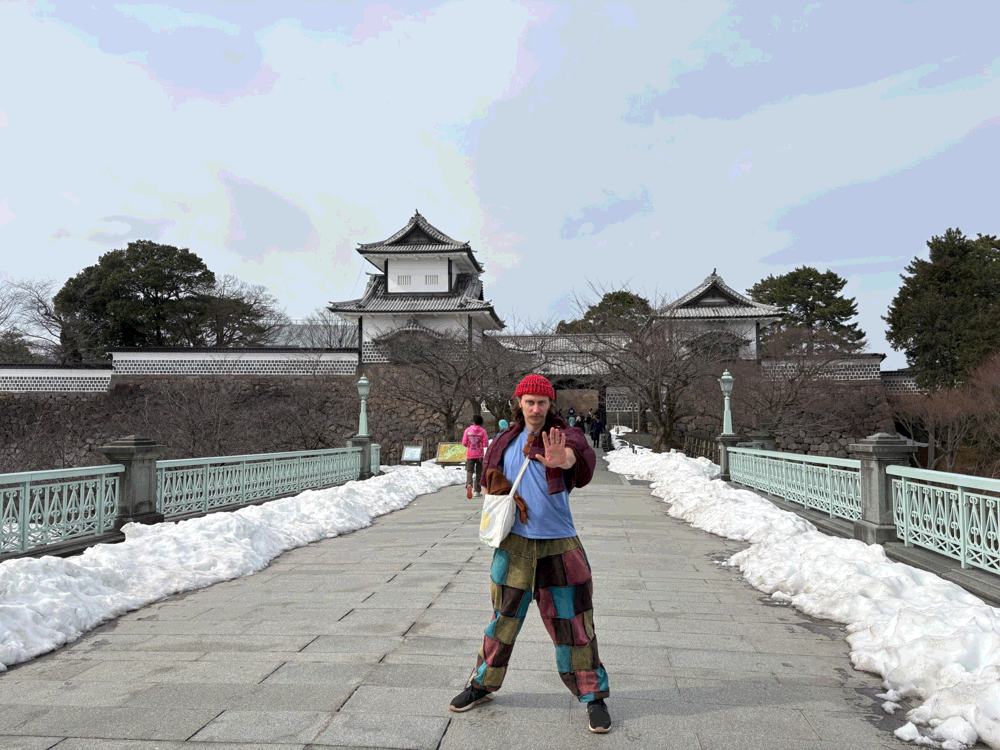
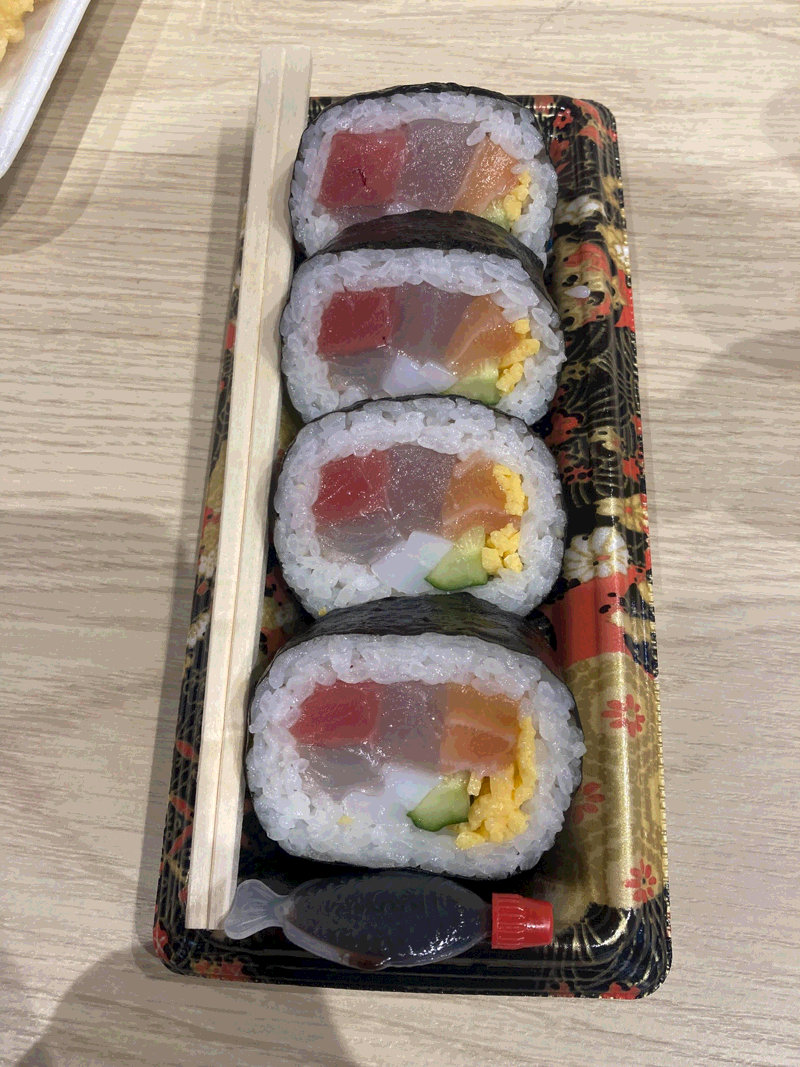

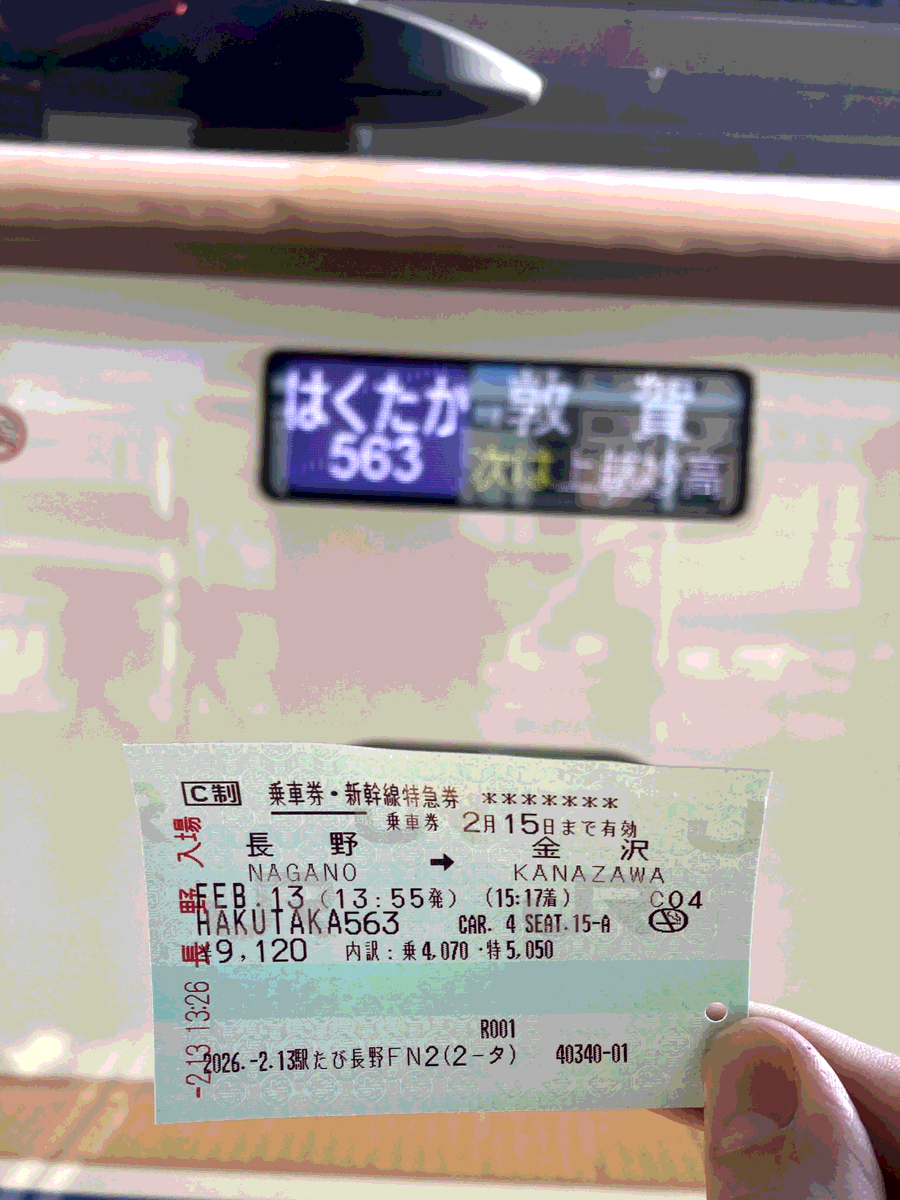 So long, Nagano!
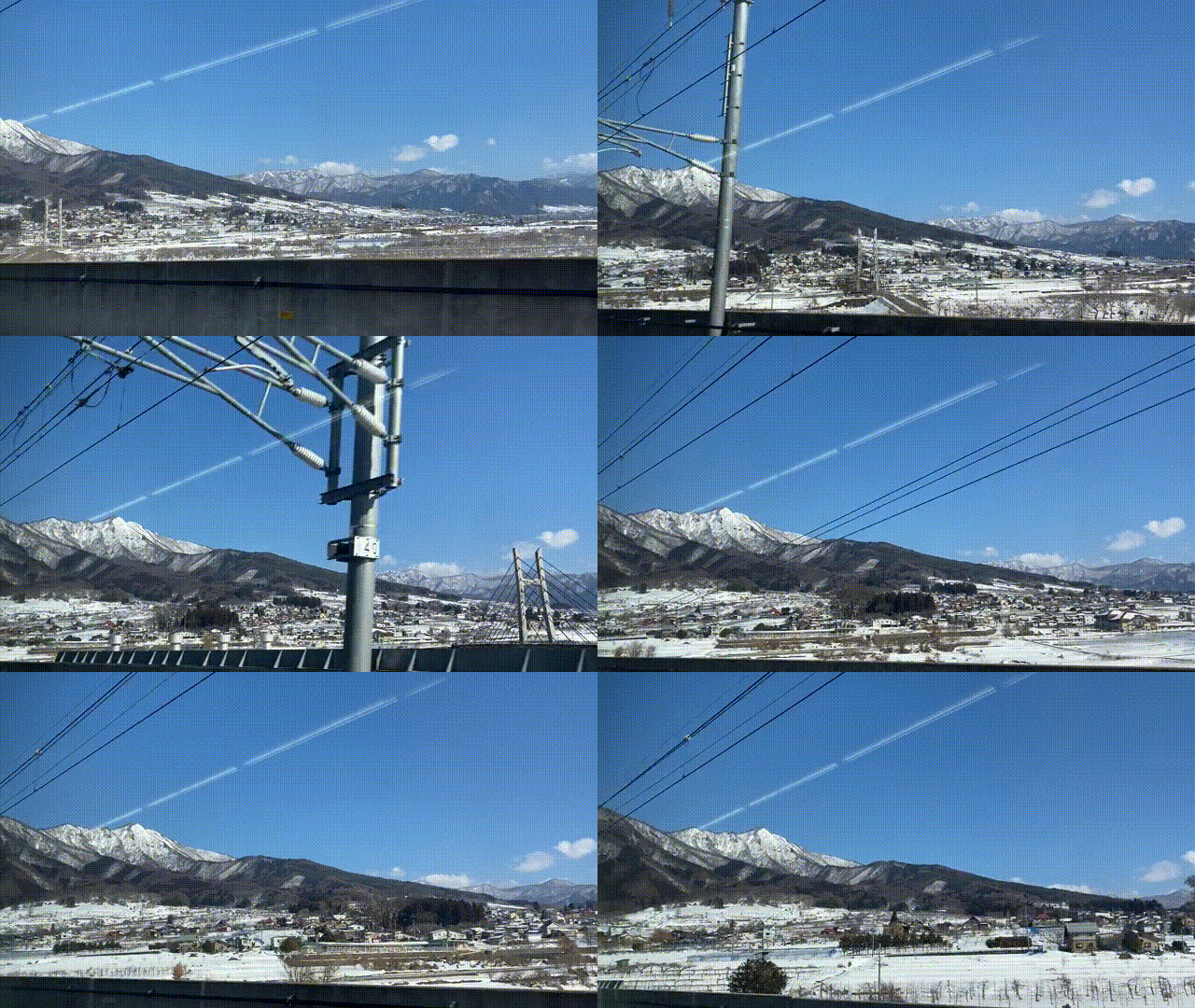 A bit sad leaving the convivial environment and people of 1166 Backpackers. My Kanazawa guesthouse feels like the location for a meet-cute with a fellow socially awkward, introverted traveler. The other guests seem to mostly keep to their private rooms.
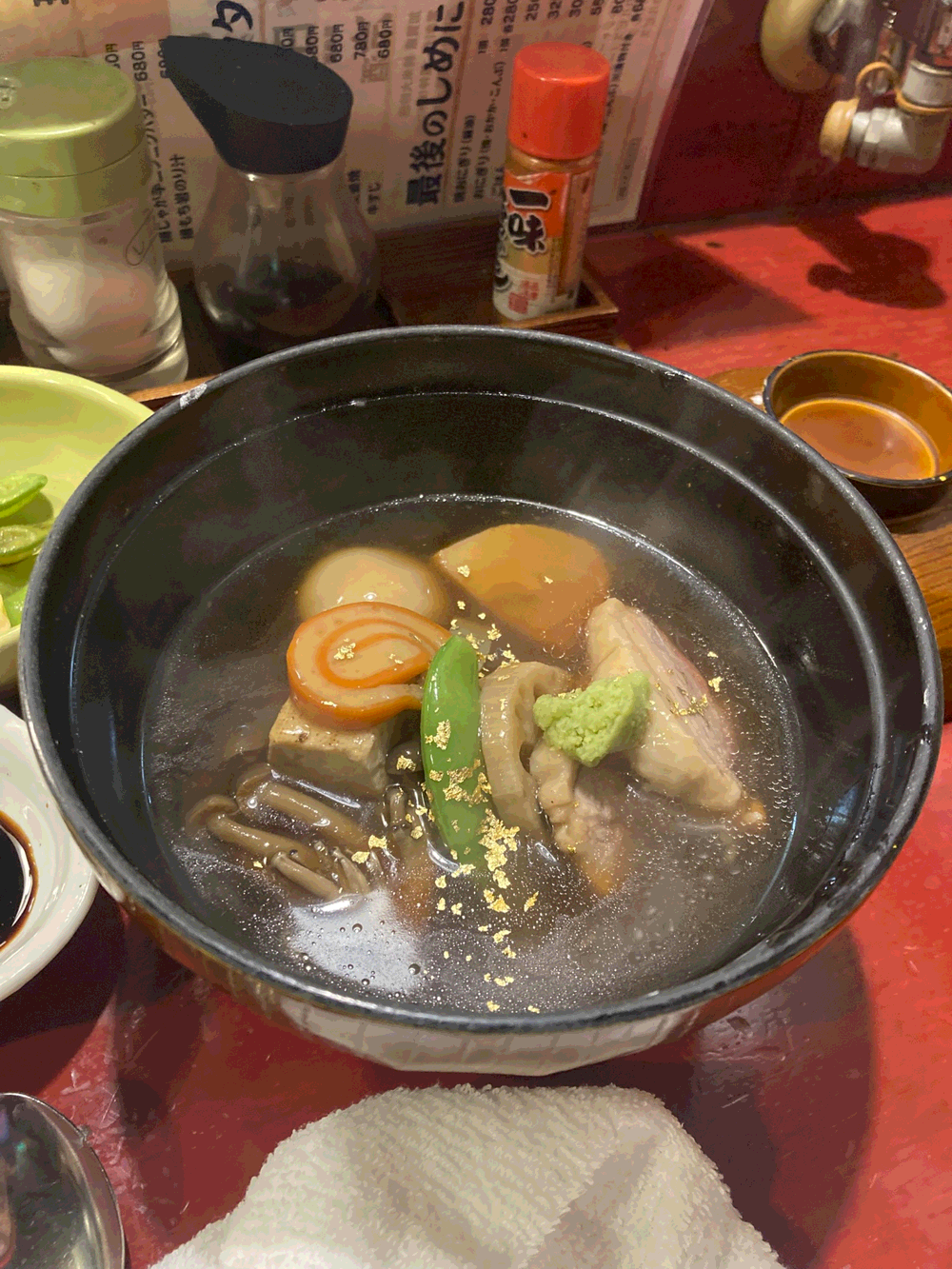
 They’re all about putting gold leaf on things here.
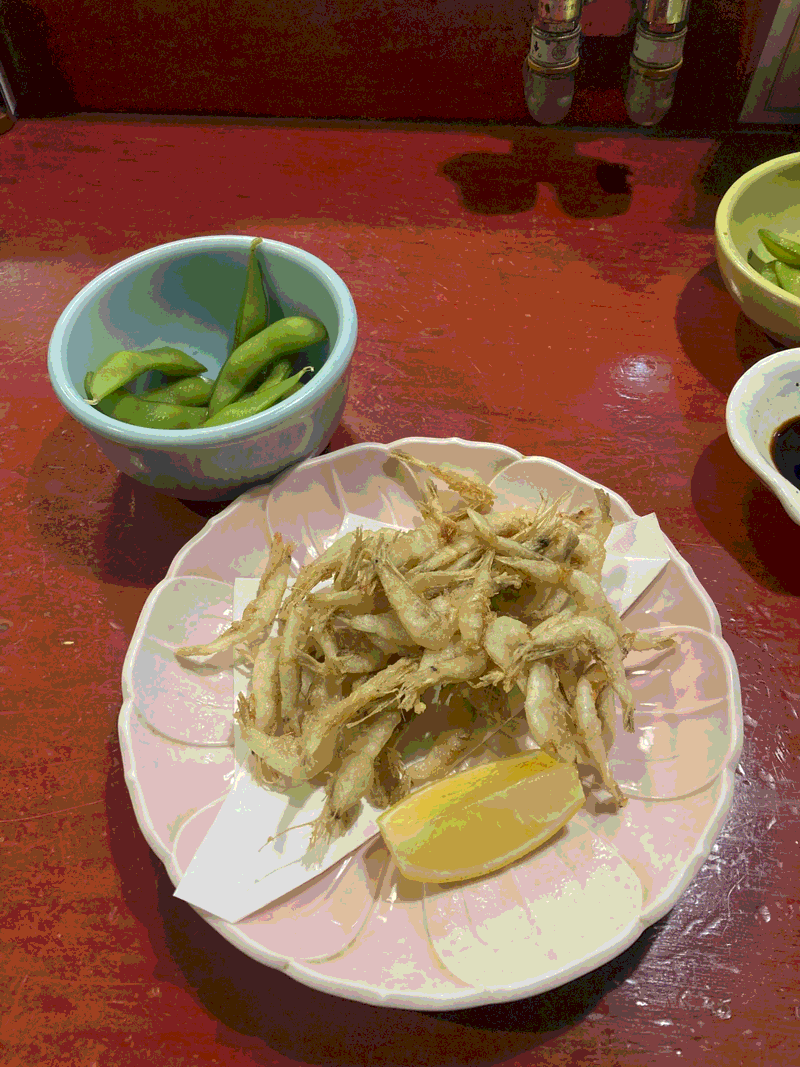
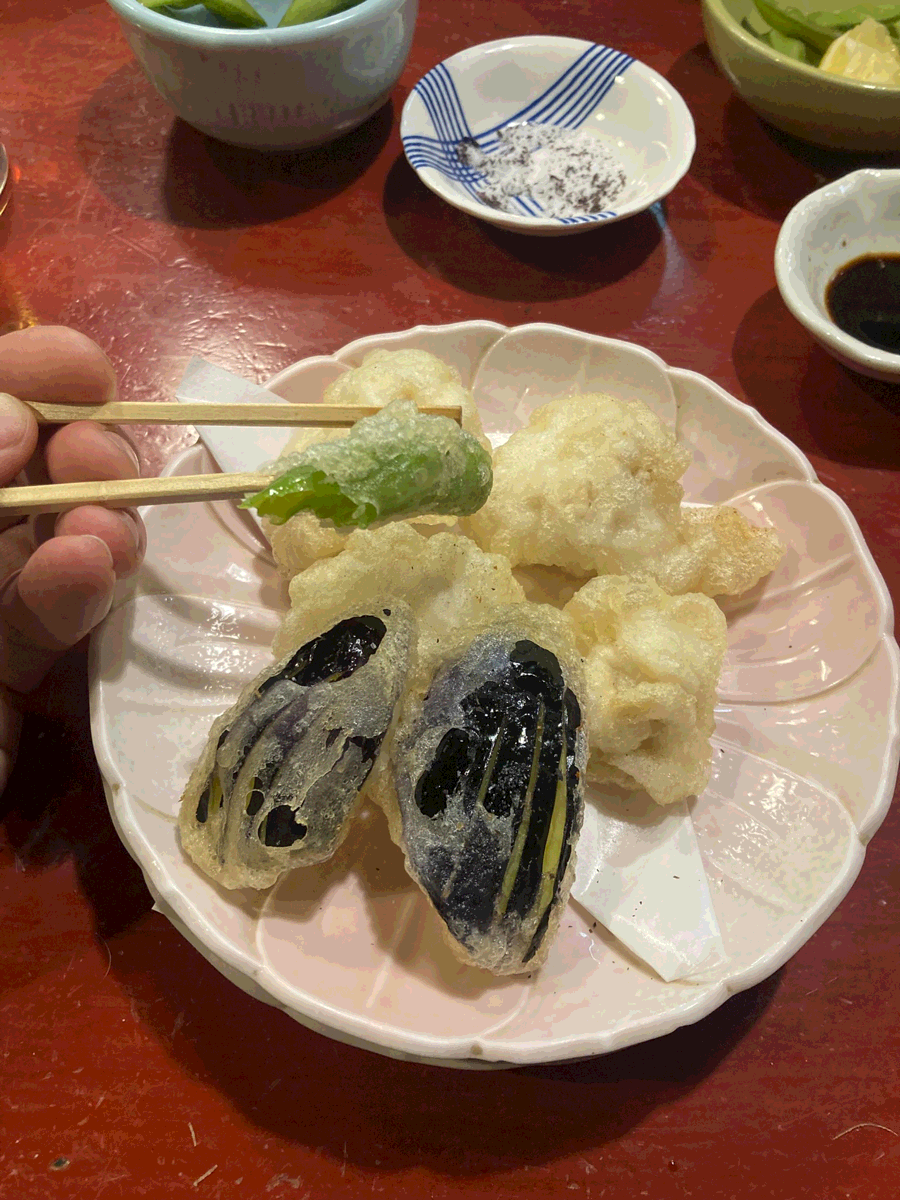 Tempura Shishito peppers. Chefs kiss.
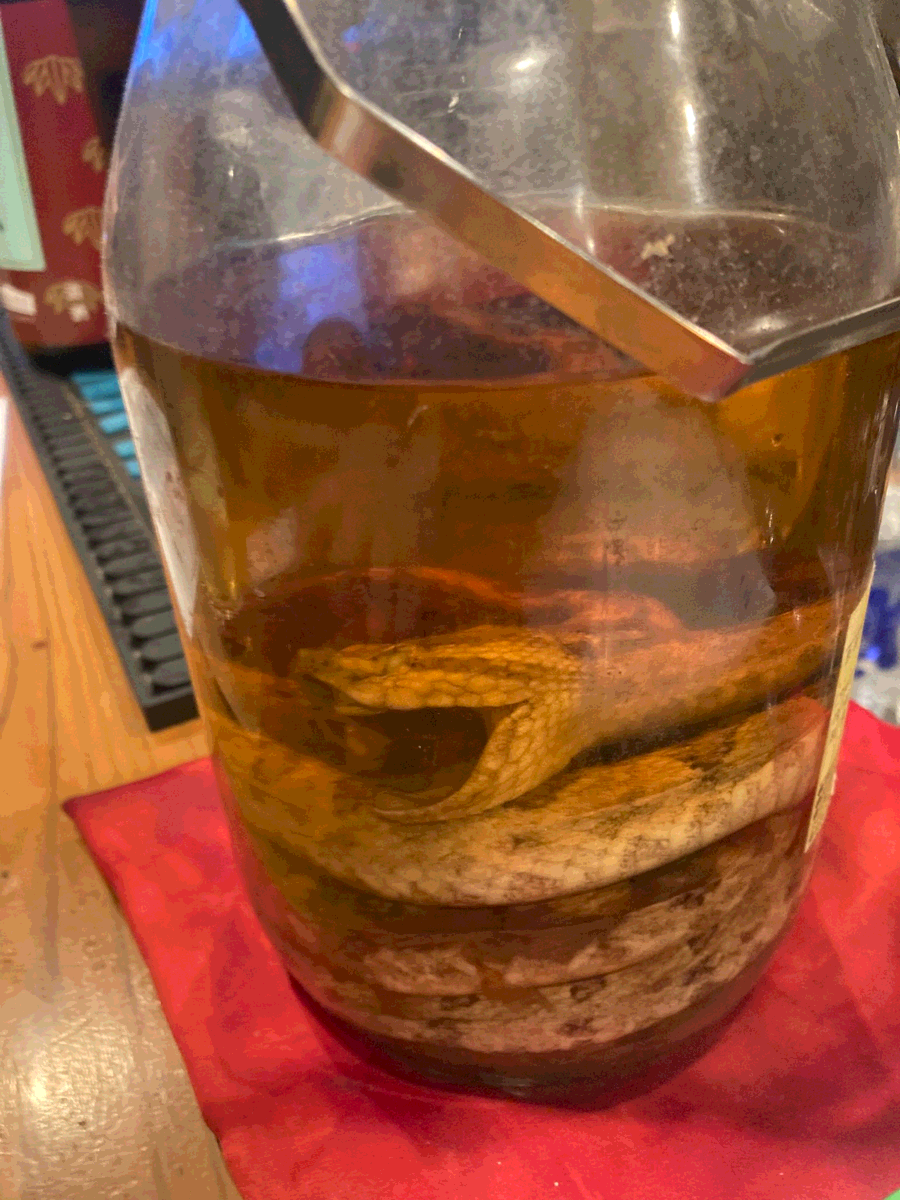 “Welcome back!” the bartender said, recognizing me from earlier.
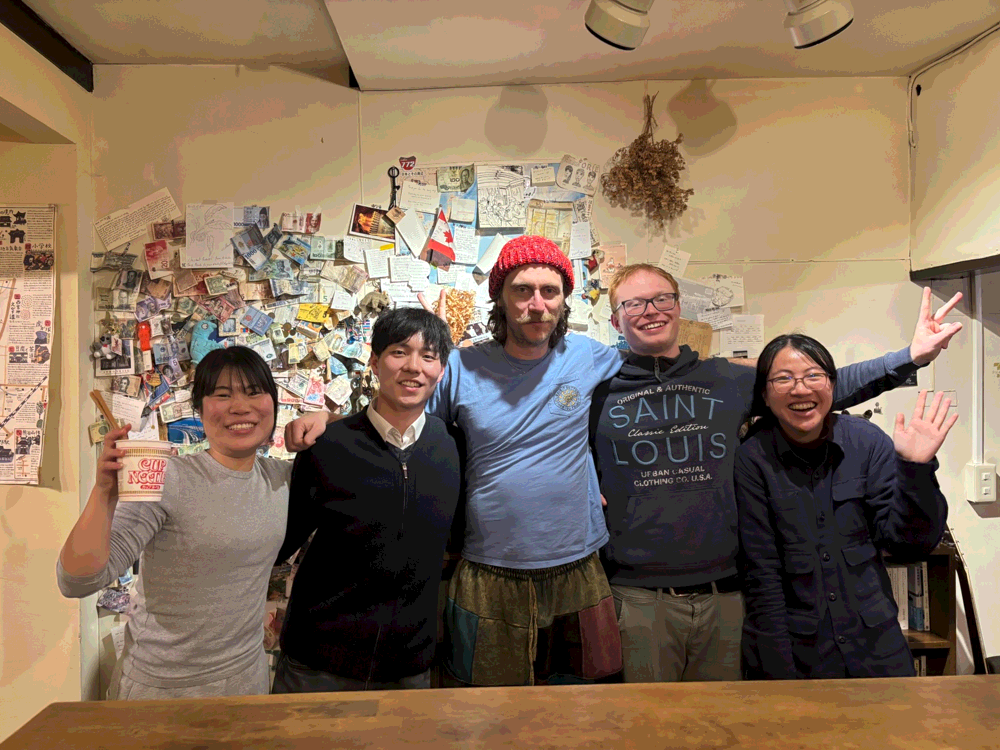
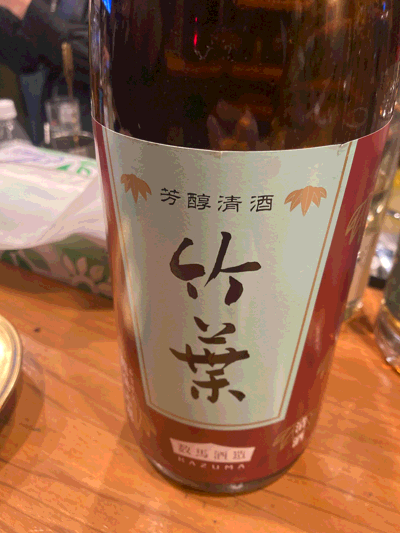 Later, one of the other patrons started passing around a bottle of sake.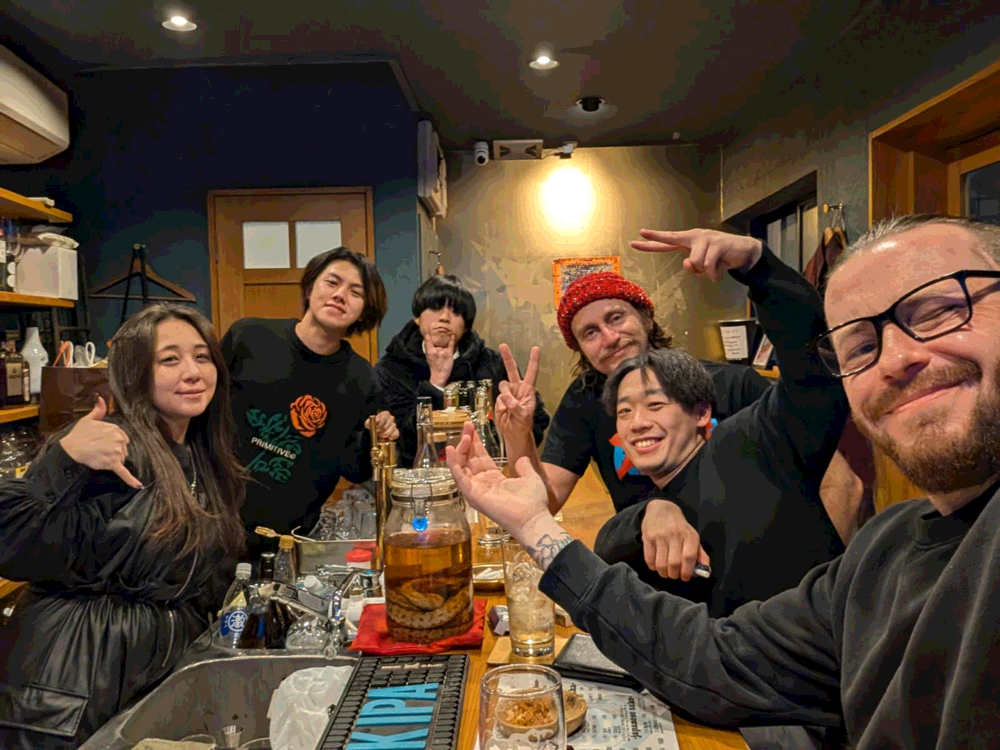
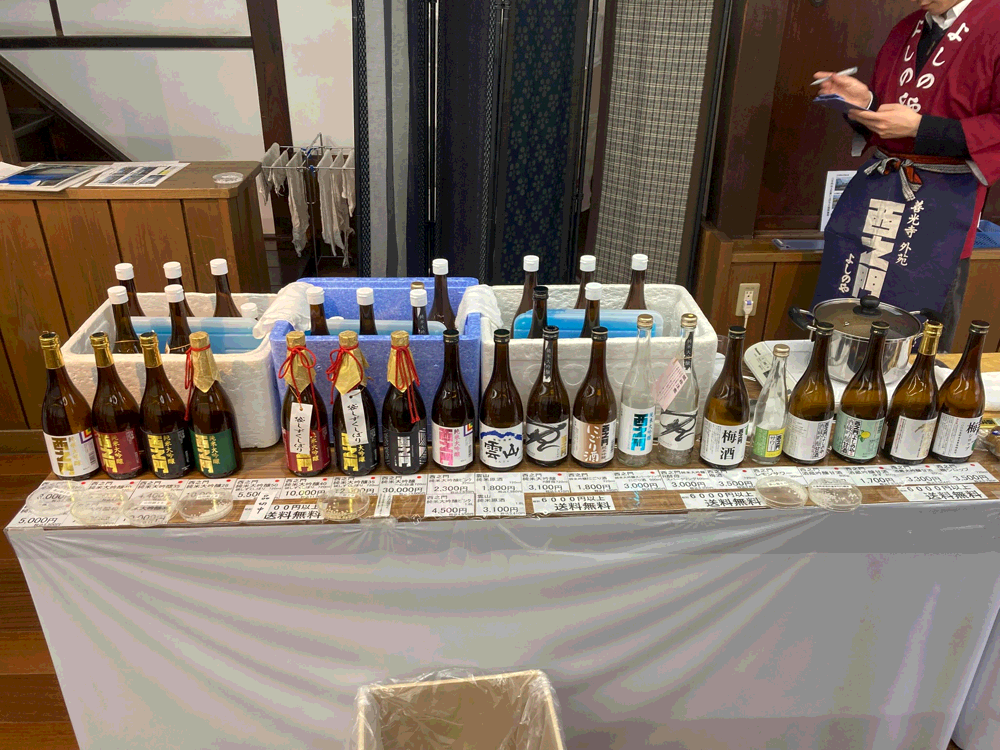
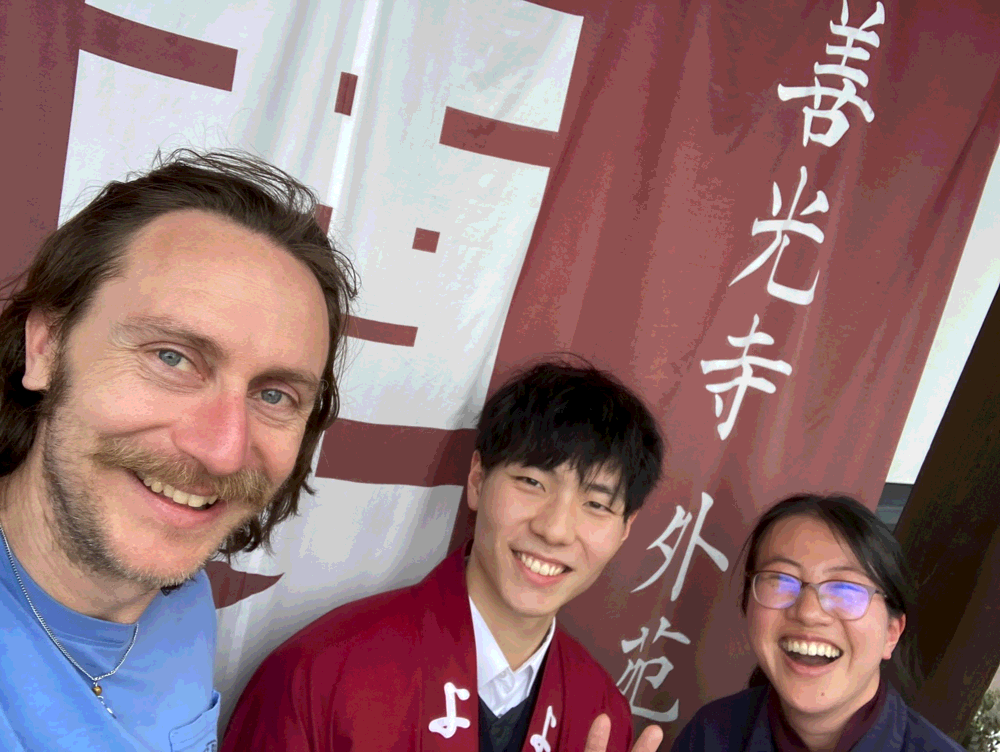 Blue, Generous and I outside the sake shop.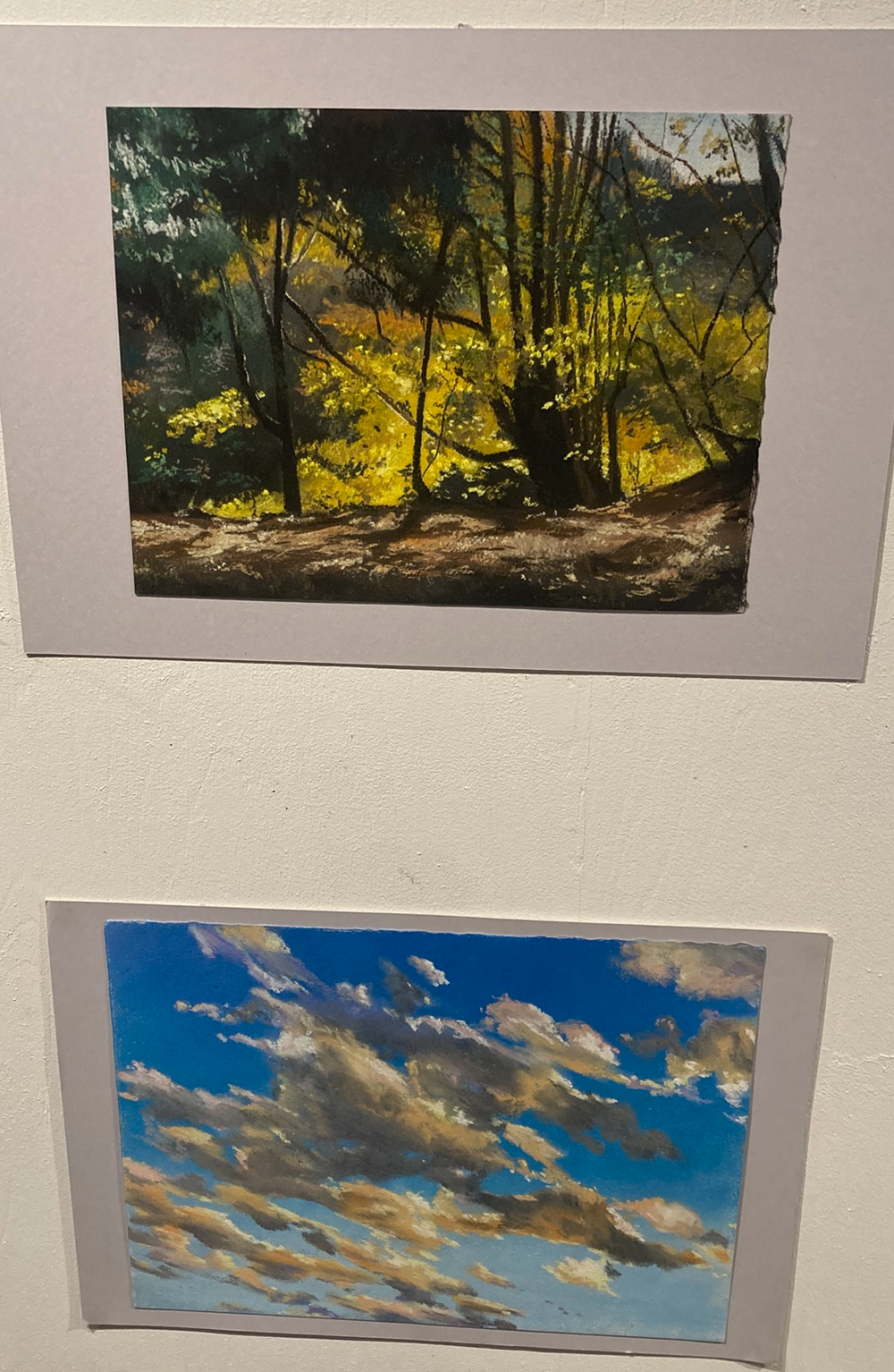
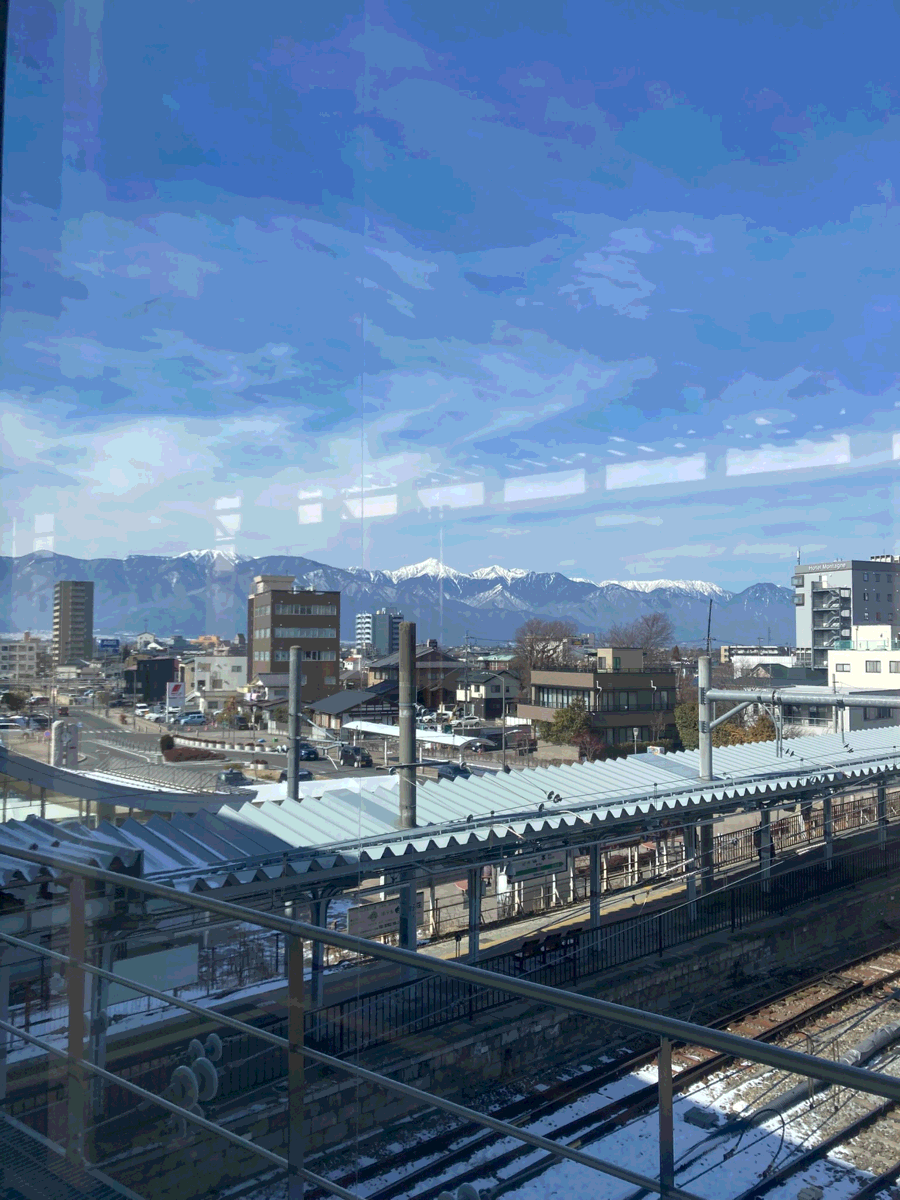
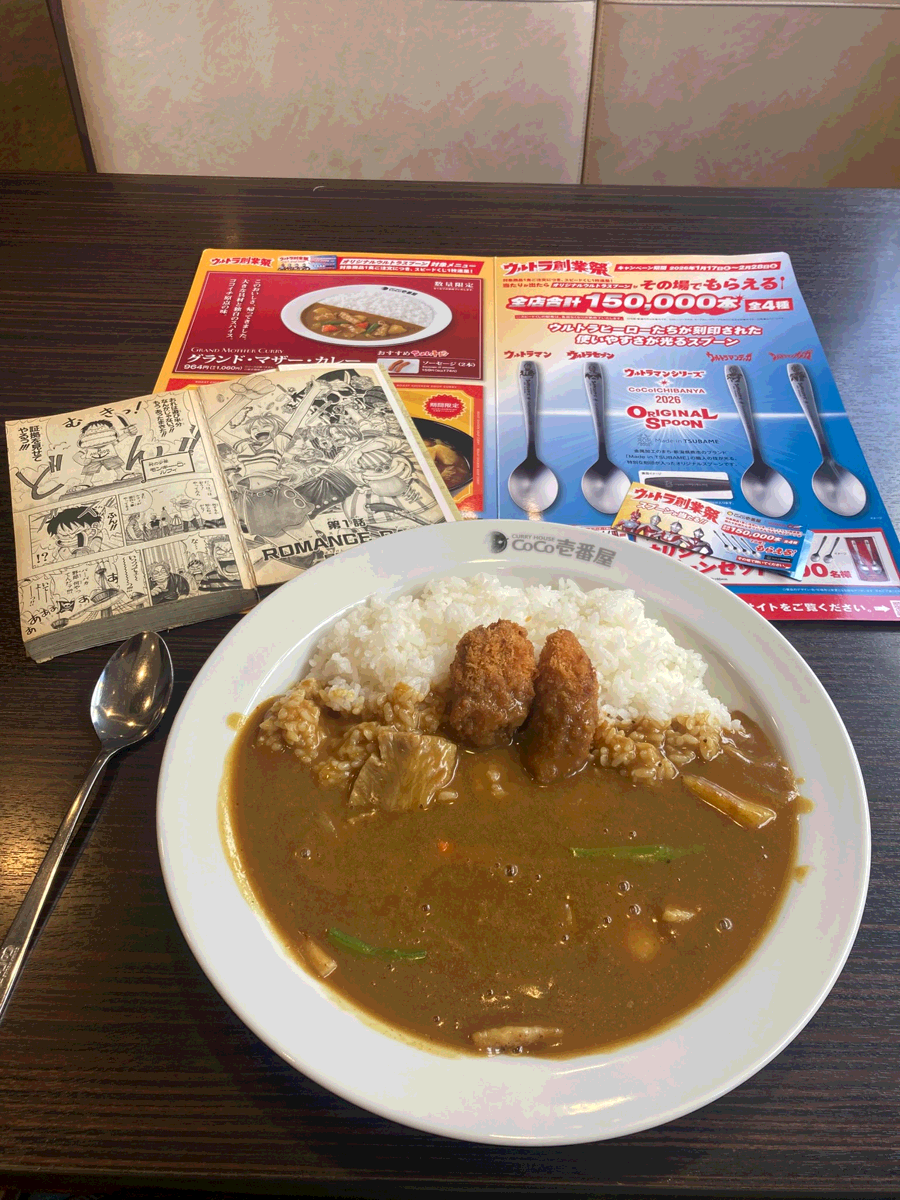
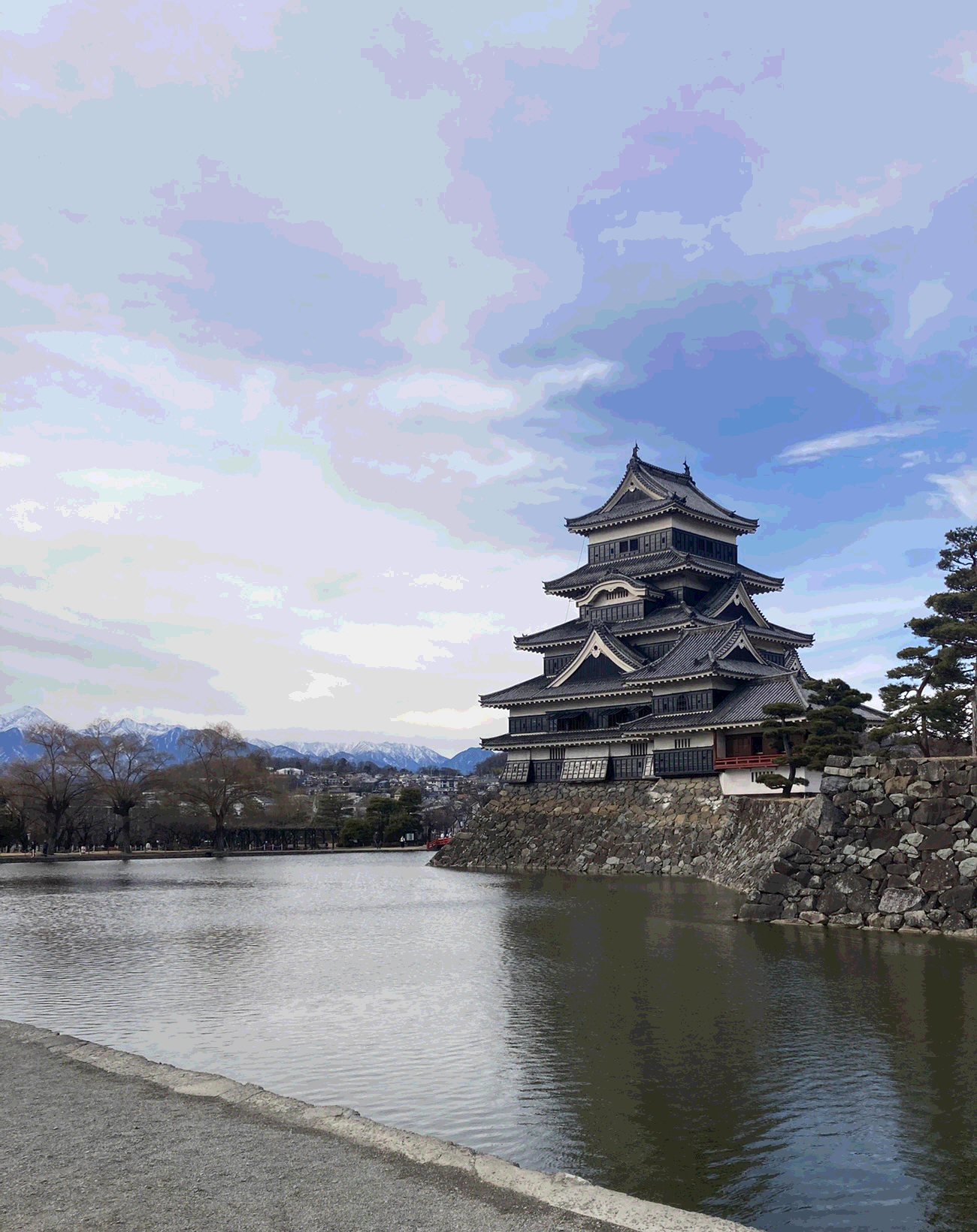 I also got to see the creaking polished wooden interior of the castle and climb up the extremely steep stars from floor to floor and check out their collection of old Japanese firearms. Photos were prohibited so you’ll have to use your imagination.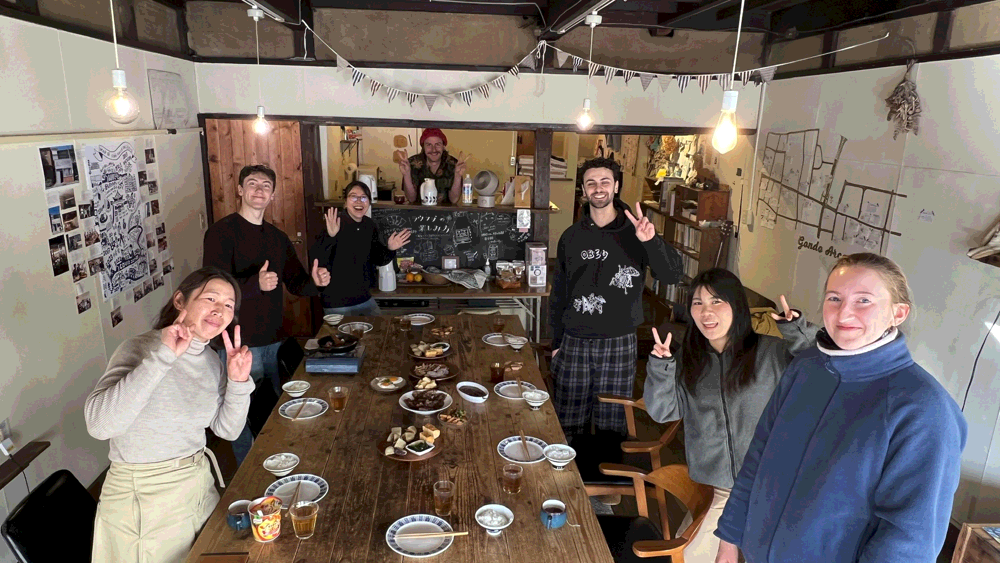
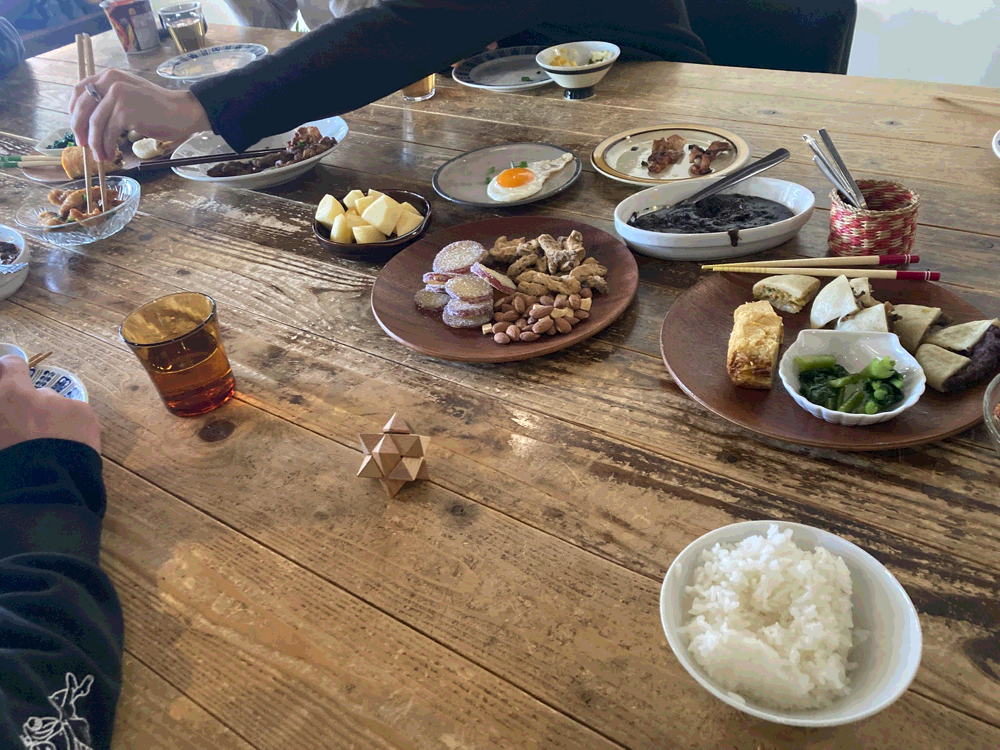
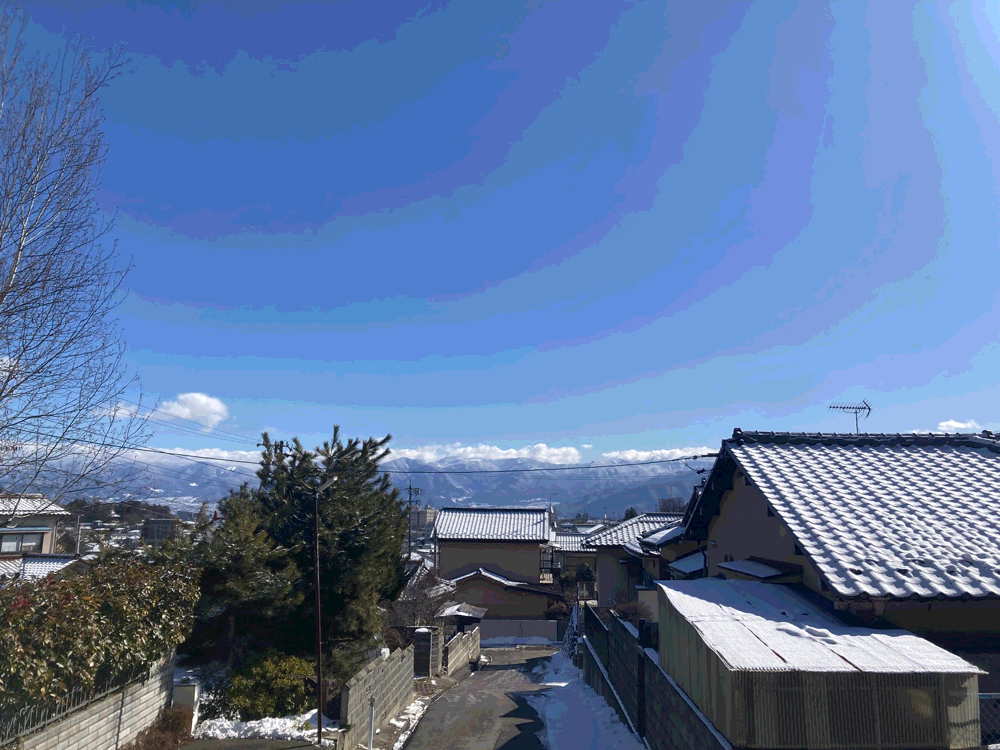
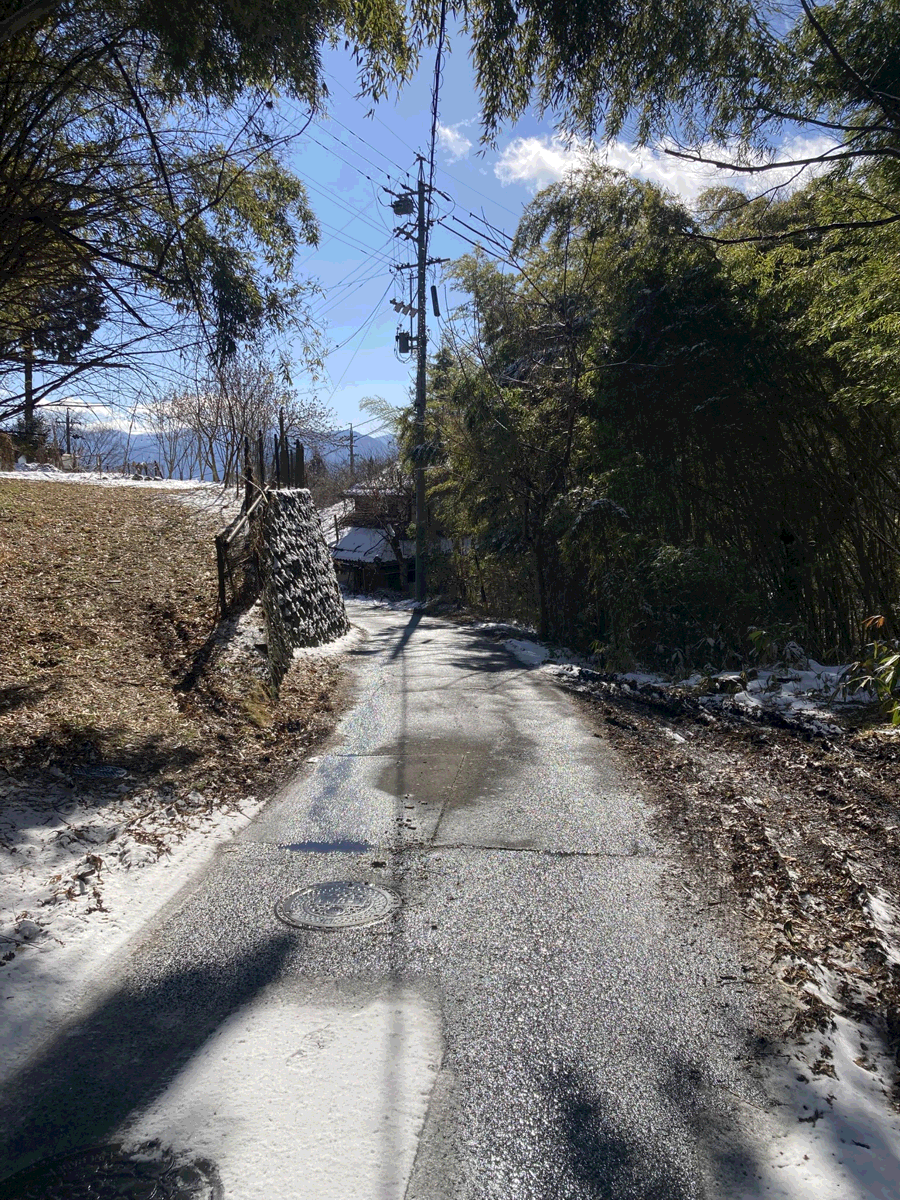
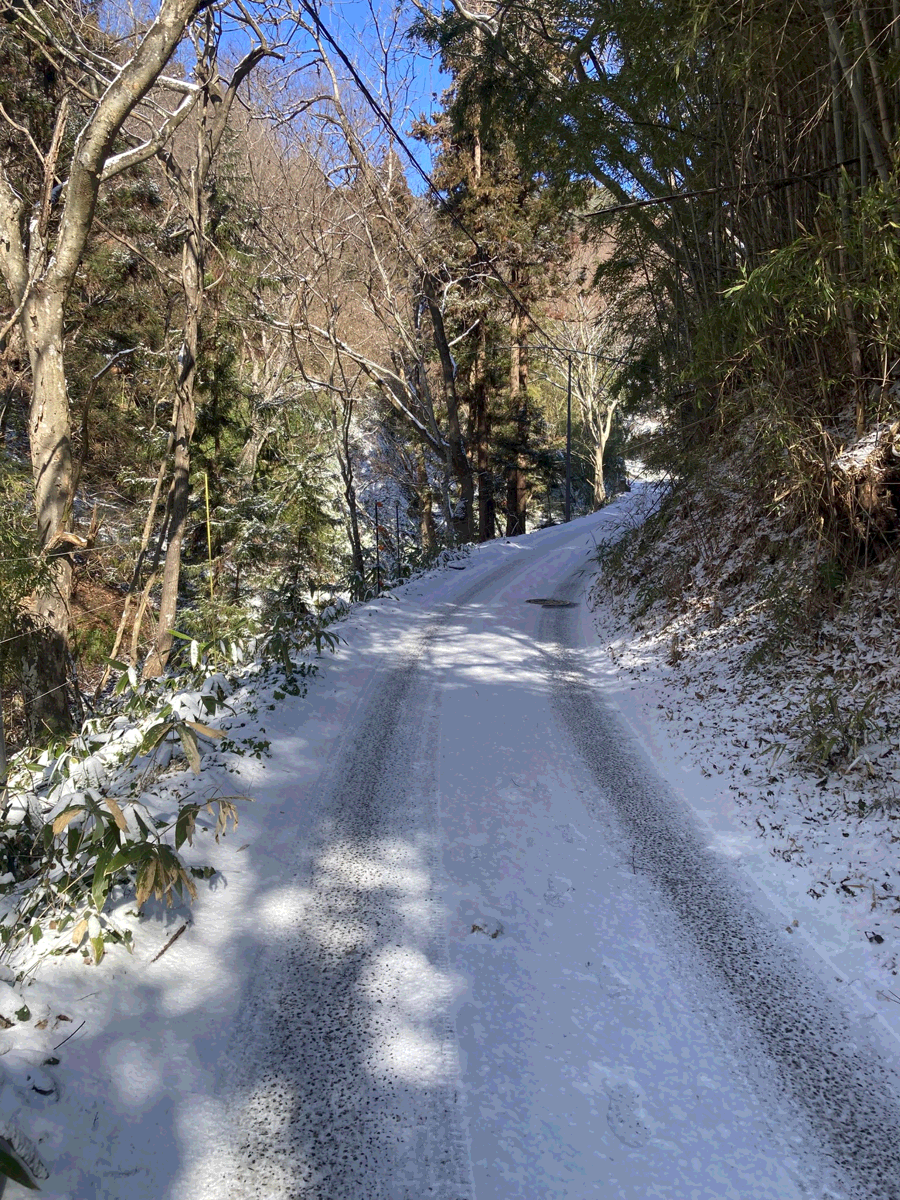
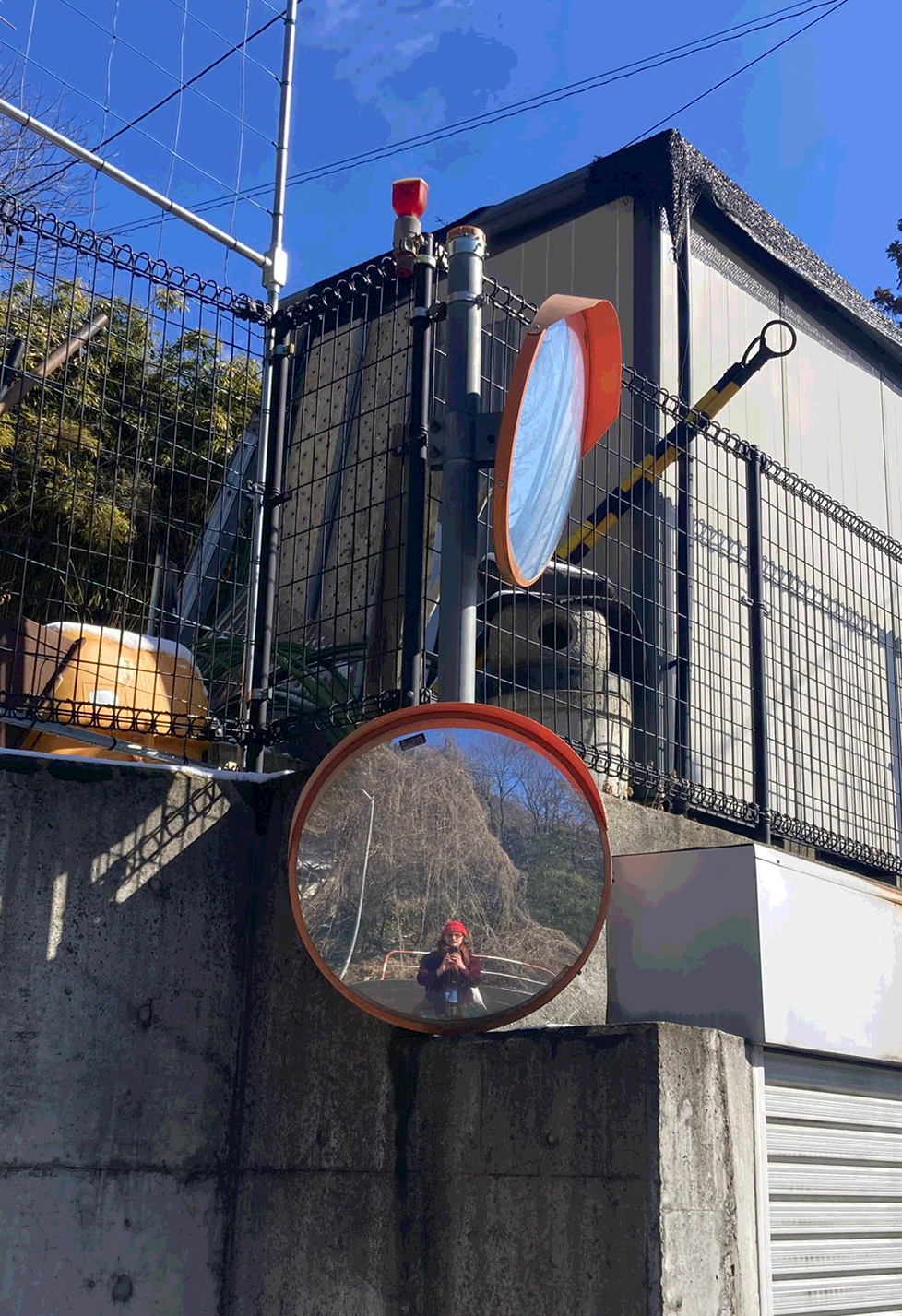 What beer should I try? If you have thoughts hmu!
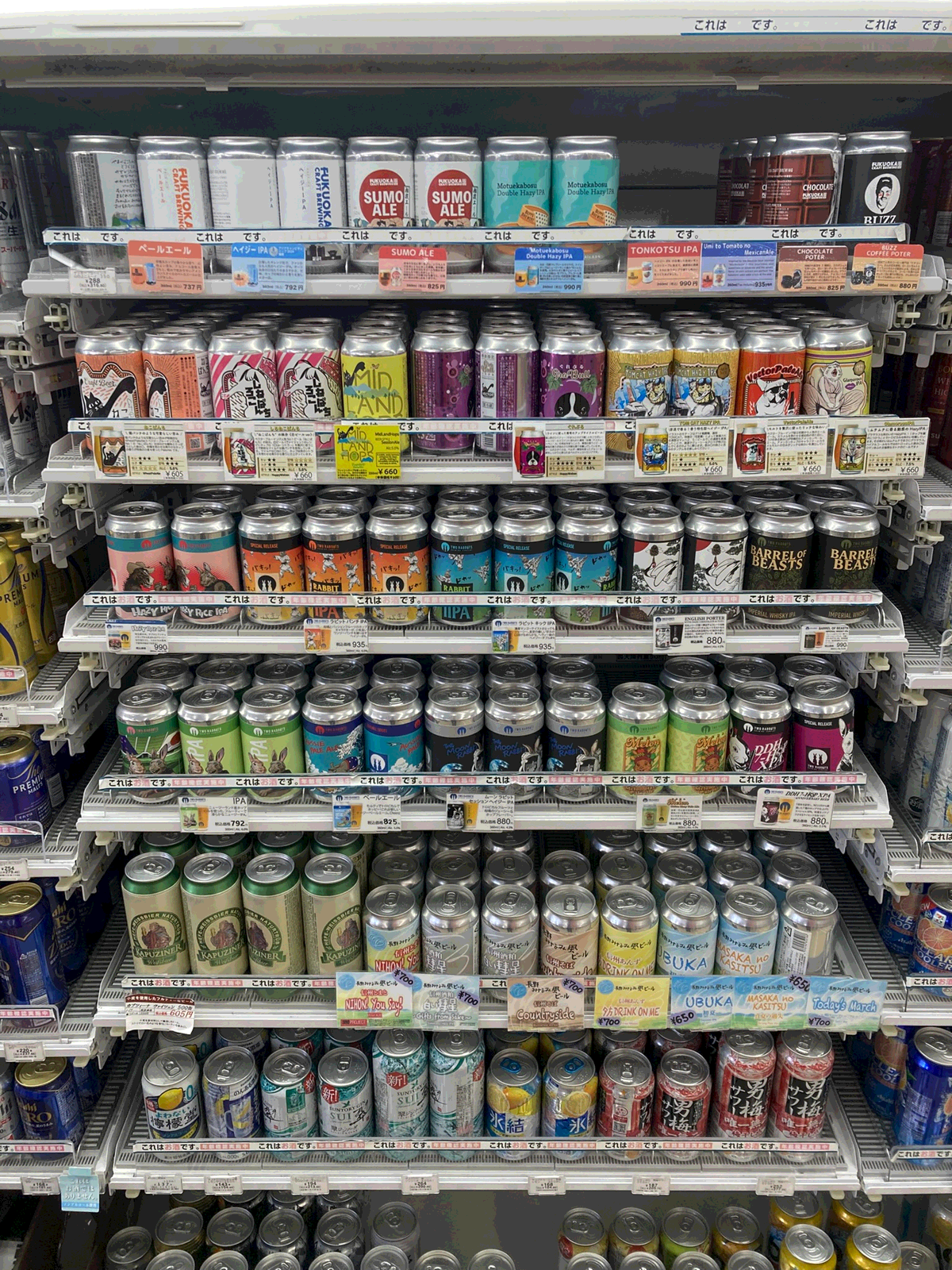
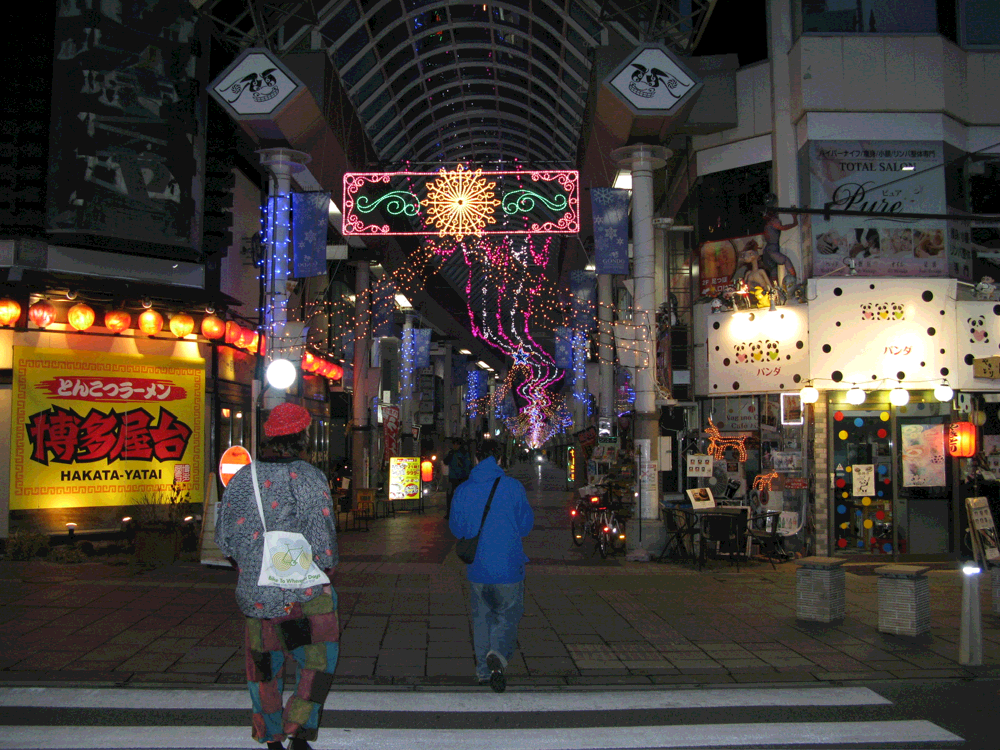 We reflected that one of the things we love about Japan is that everyone is so passionate about what they do. Here in Japan, a job isn’t just something you do so you can pay your bills or build wealth. A job offers belonging, purpose, dignity, being a part of something larger than yourself. This applies equally to everyone, from the prime minister to a clerk at 7-11.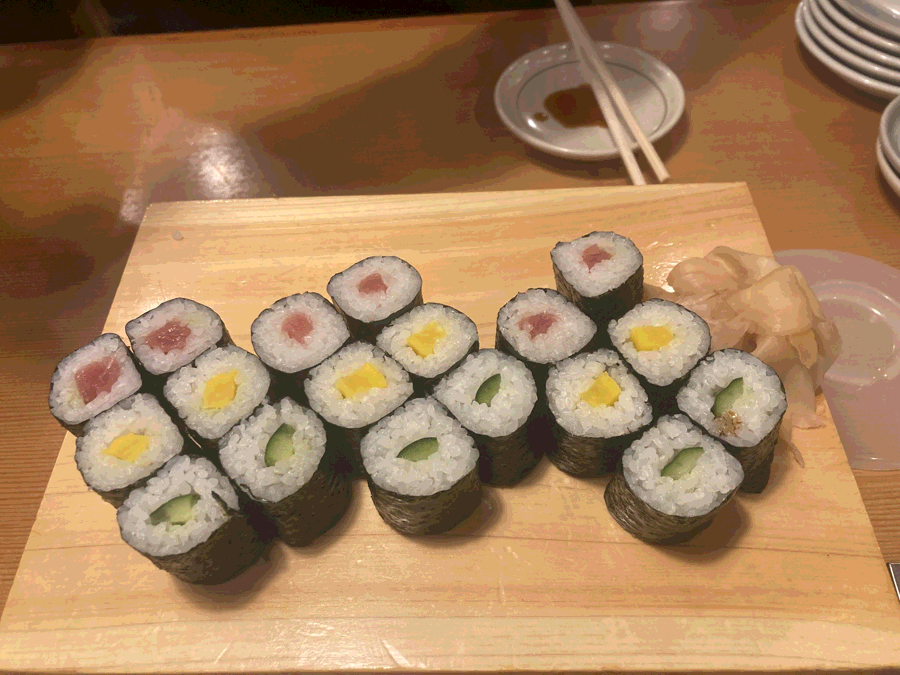

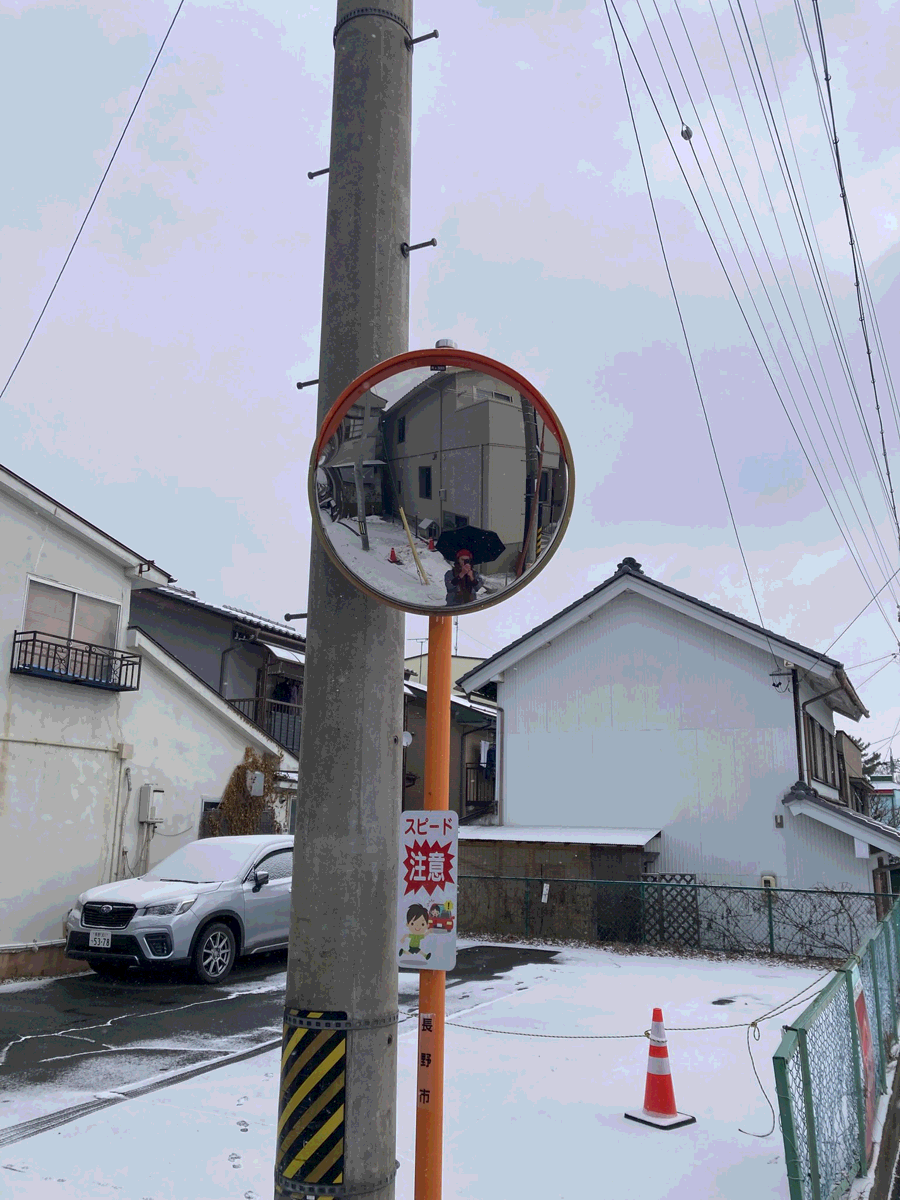
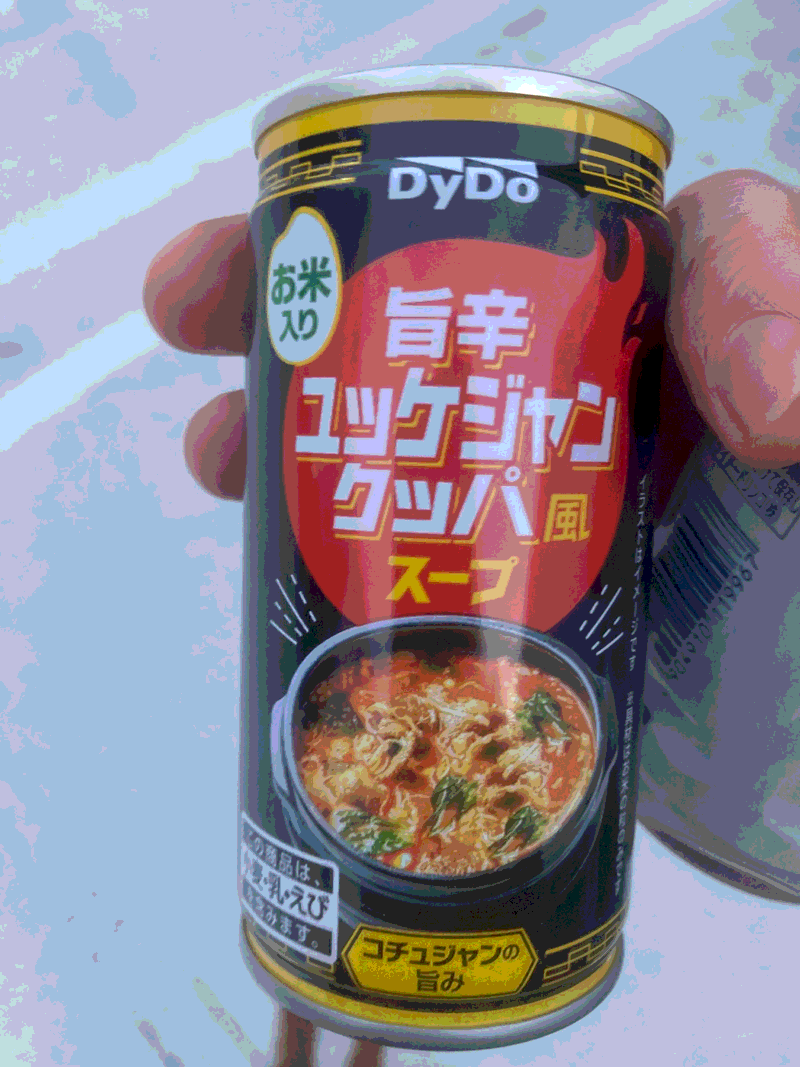 I was freezing my ass off, and loving it!
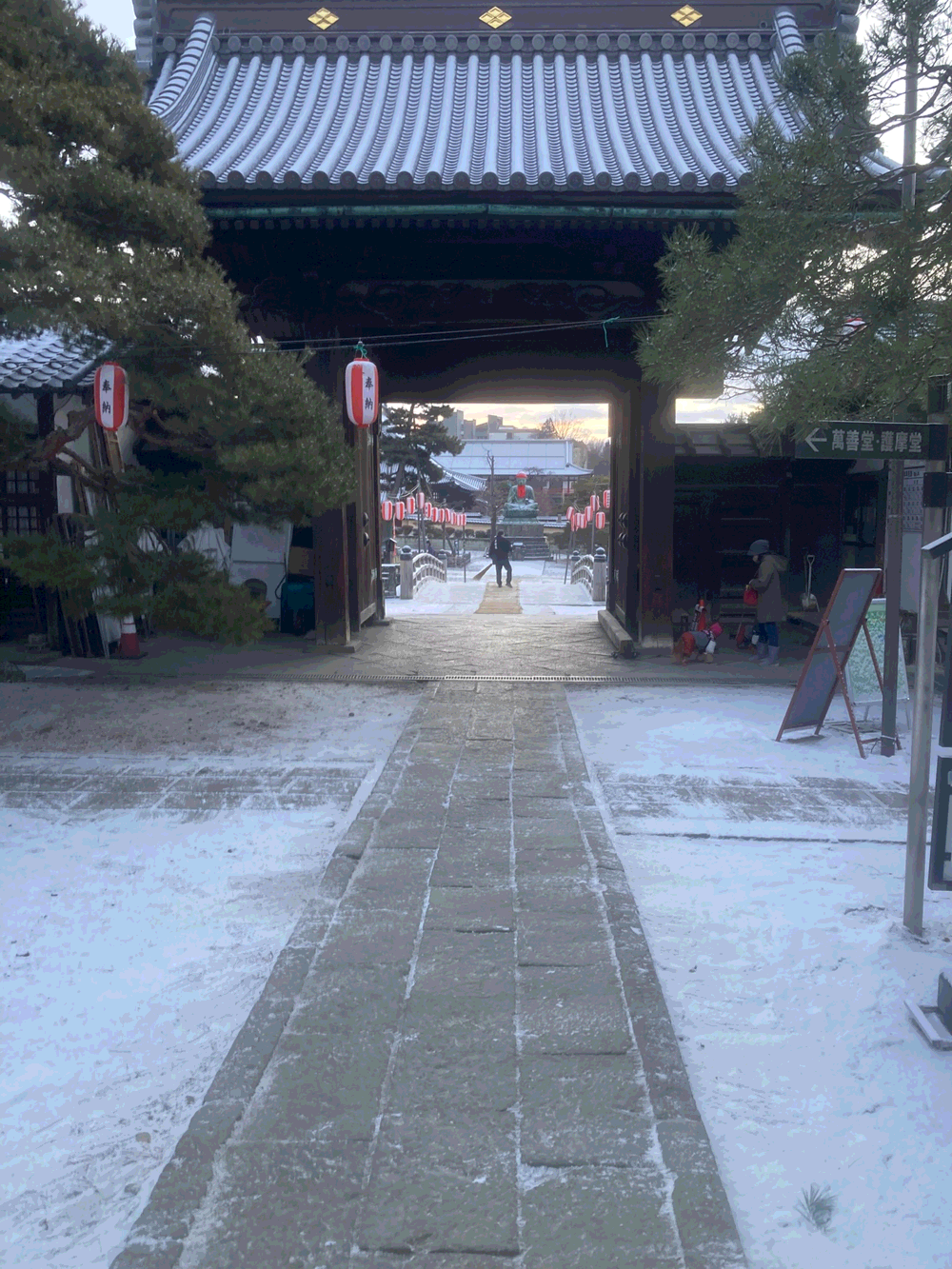
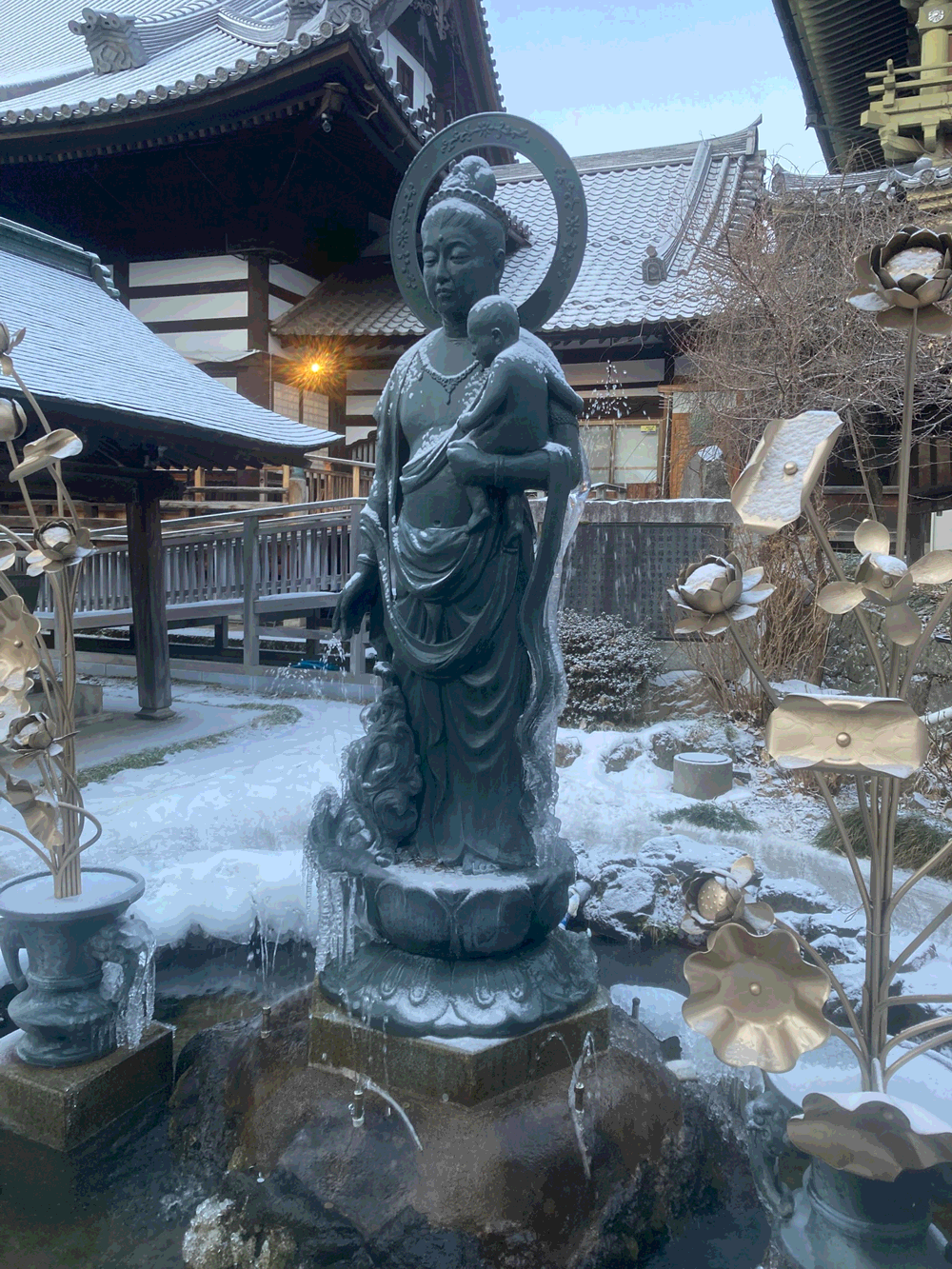
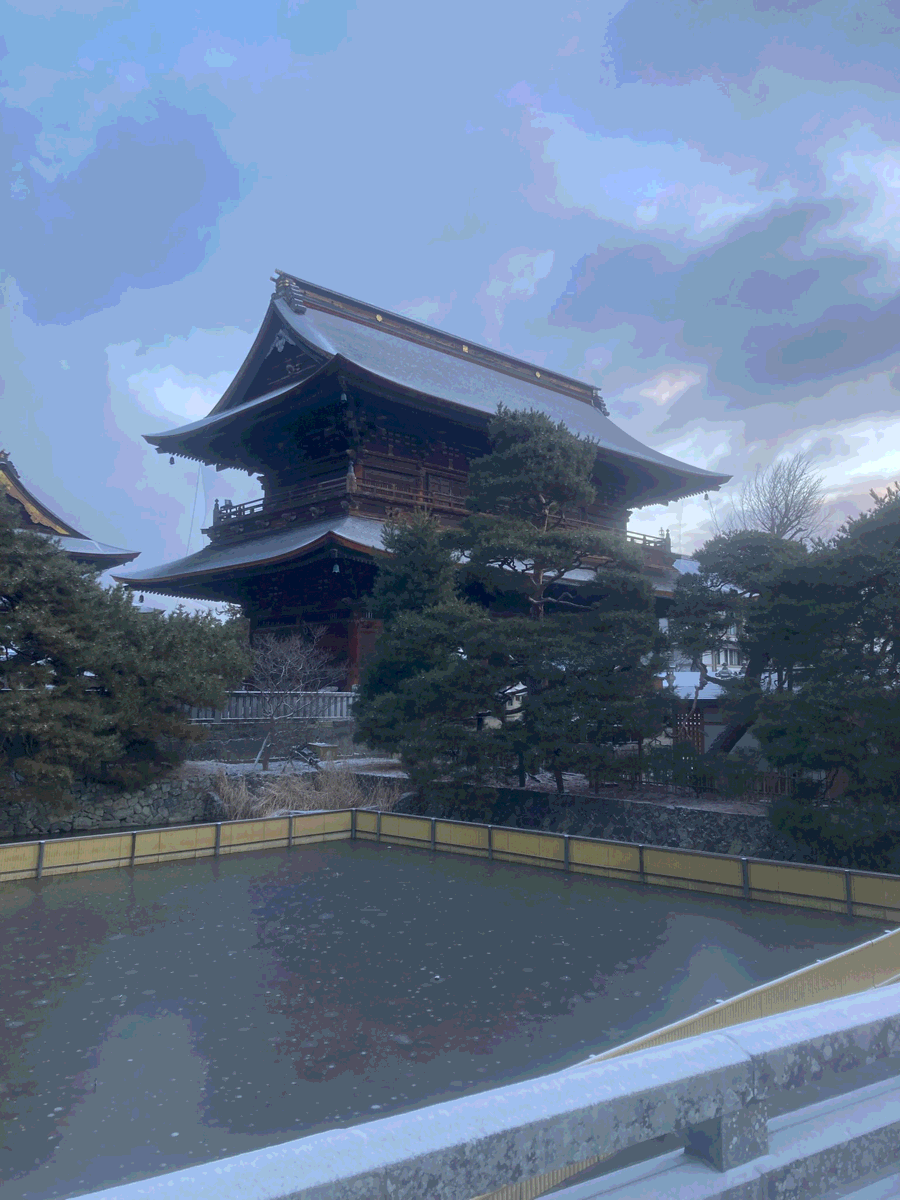
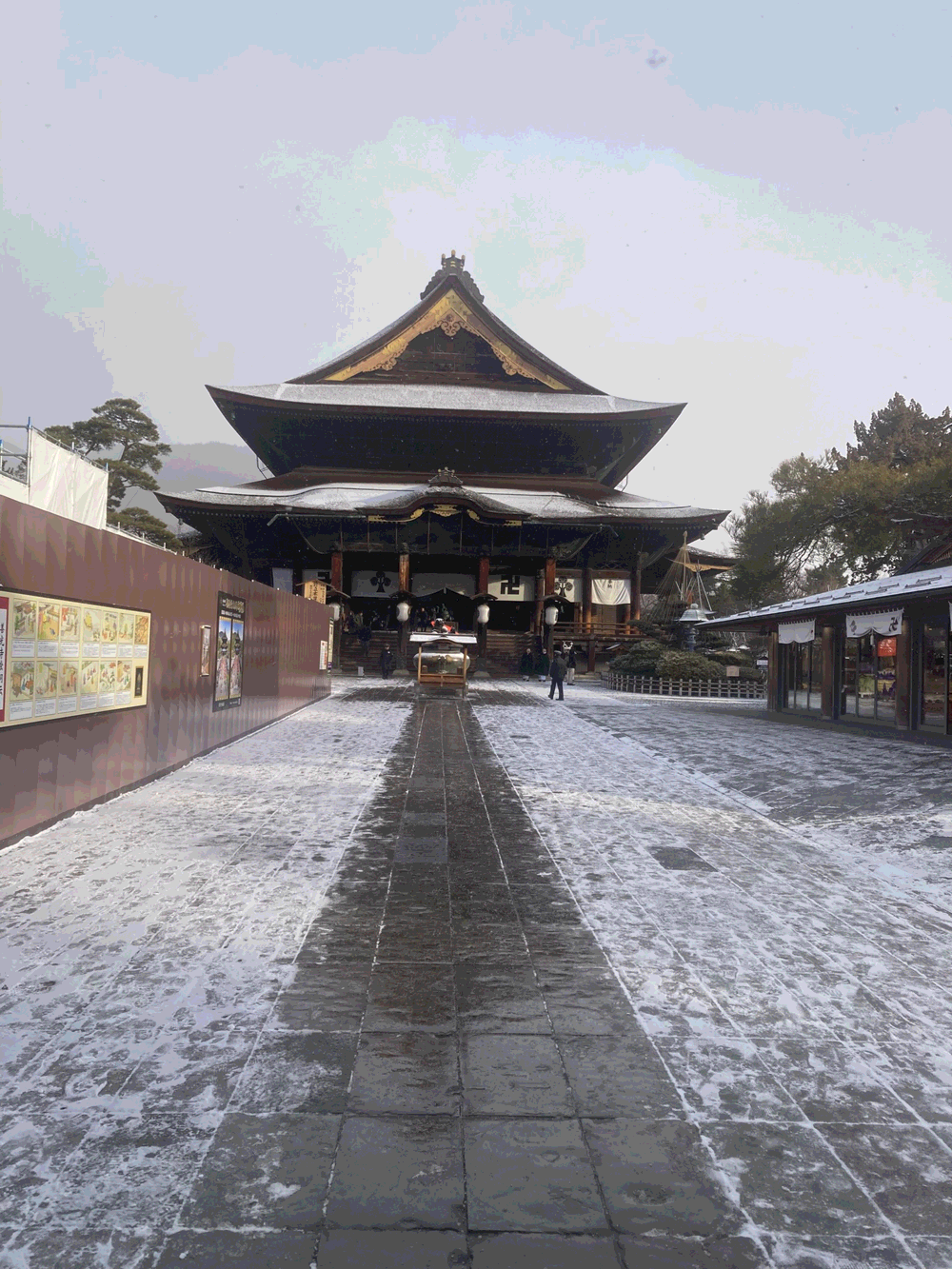 I don’t have any photos from inside the temple because photography is forbidden. The holy men led us in some songs. They were a bit different than what I’m used to, tonality wise, but I still felt called back to being in Christian church somehow. At a certain point, a veil at the front was lifted, revealing… some stuff, I can’t honestly remember. There was a lot to visually parse. But the woman I talked to at the information booth after the service said that somewhere back there, there’s an extremely sacred solid gold sculpture depicting Buddha flanked by Bodhisattva. It’s so sacred that even its replica is too sacred to be seen by lay eyes except for a once a year matsuri, which was not today.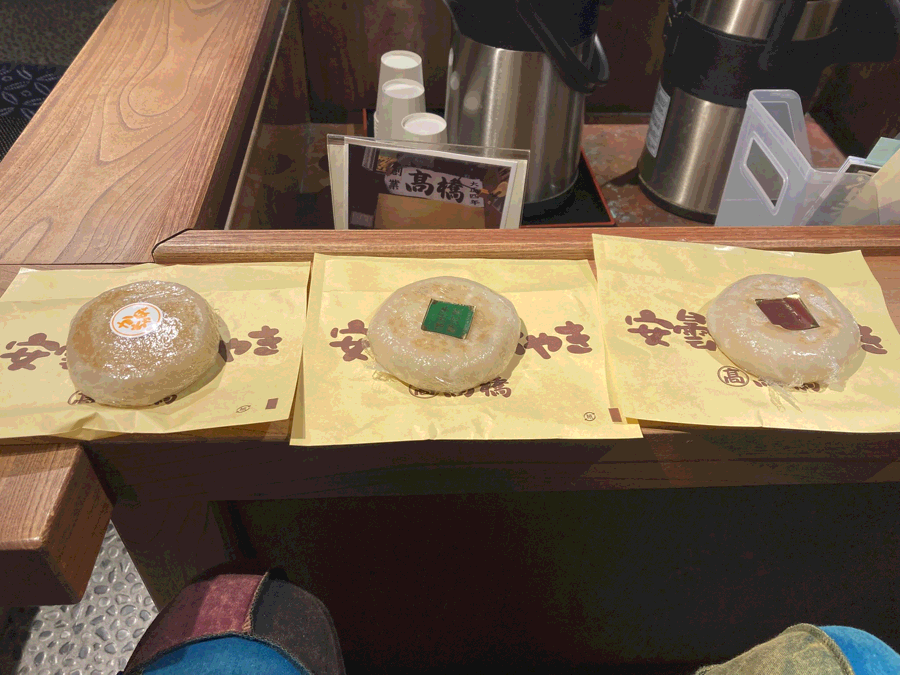
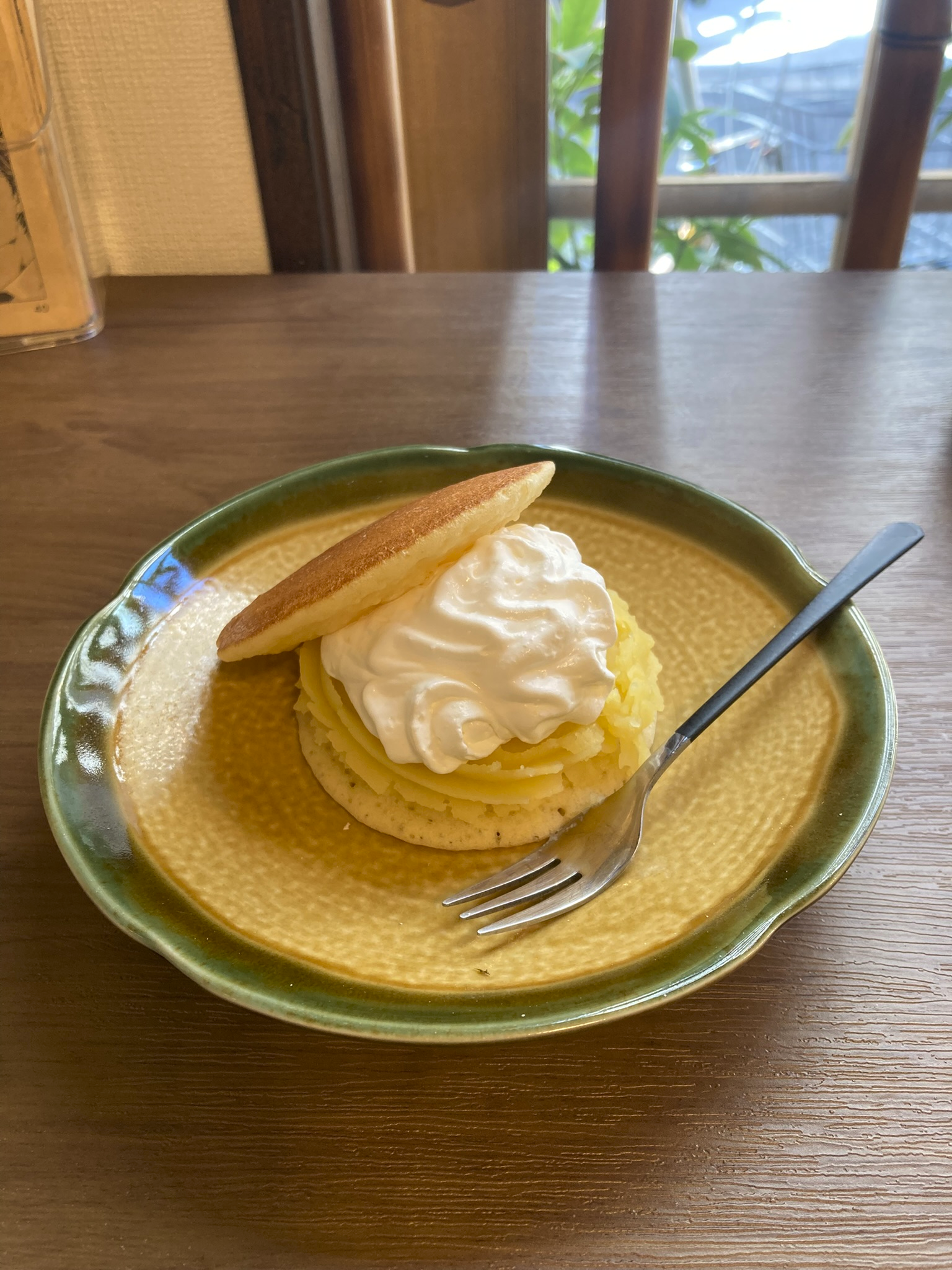
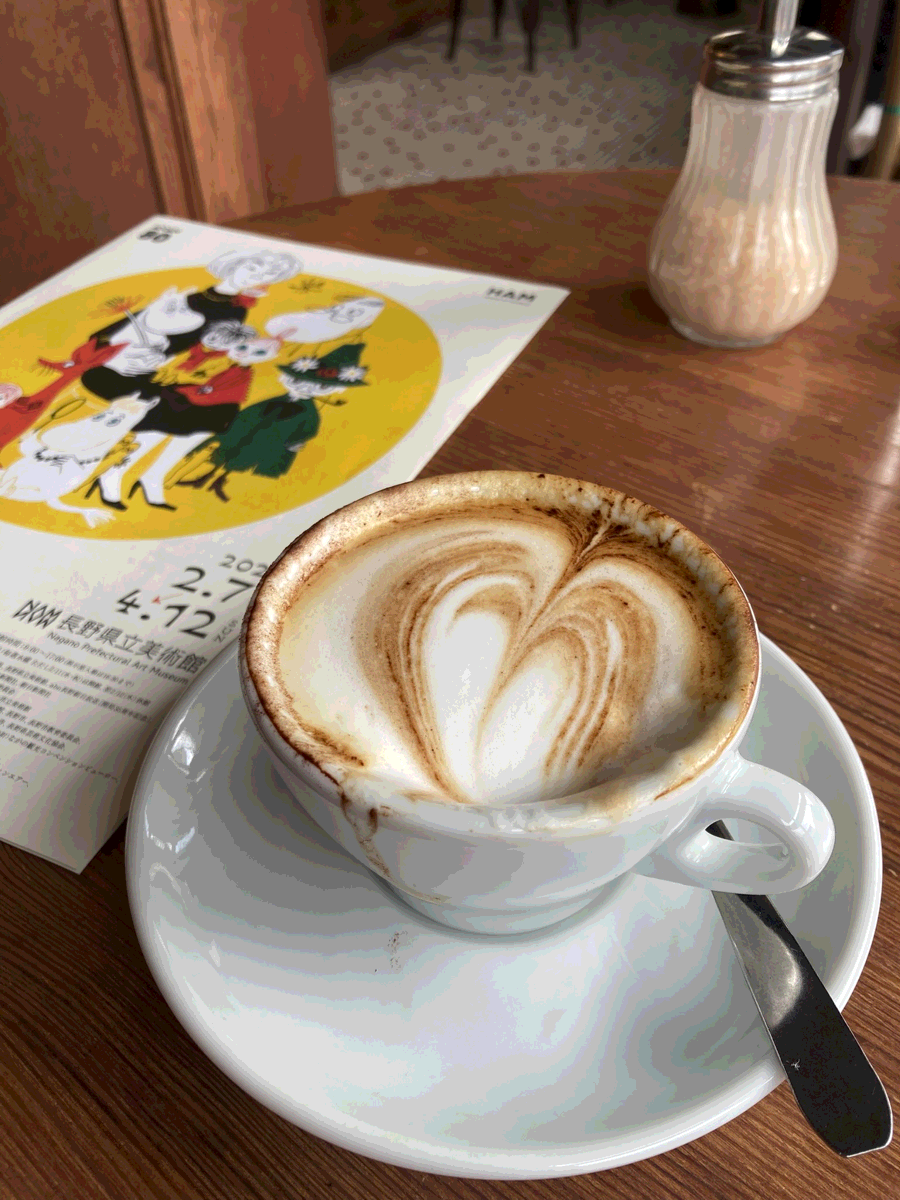 I forgot to take a photo having my first sip, that’s why the art is a bit wonky.
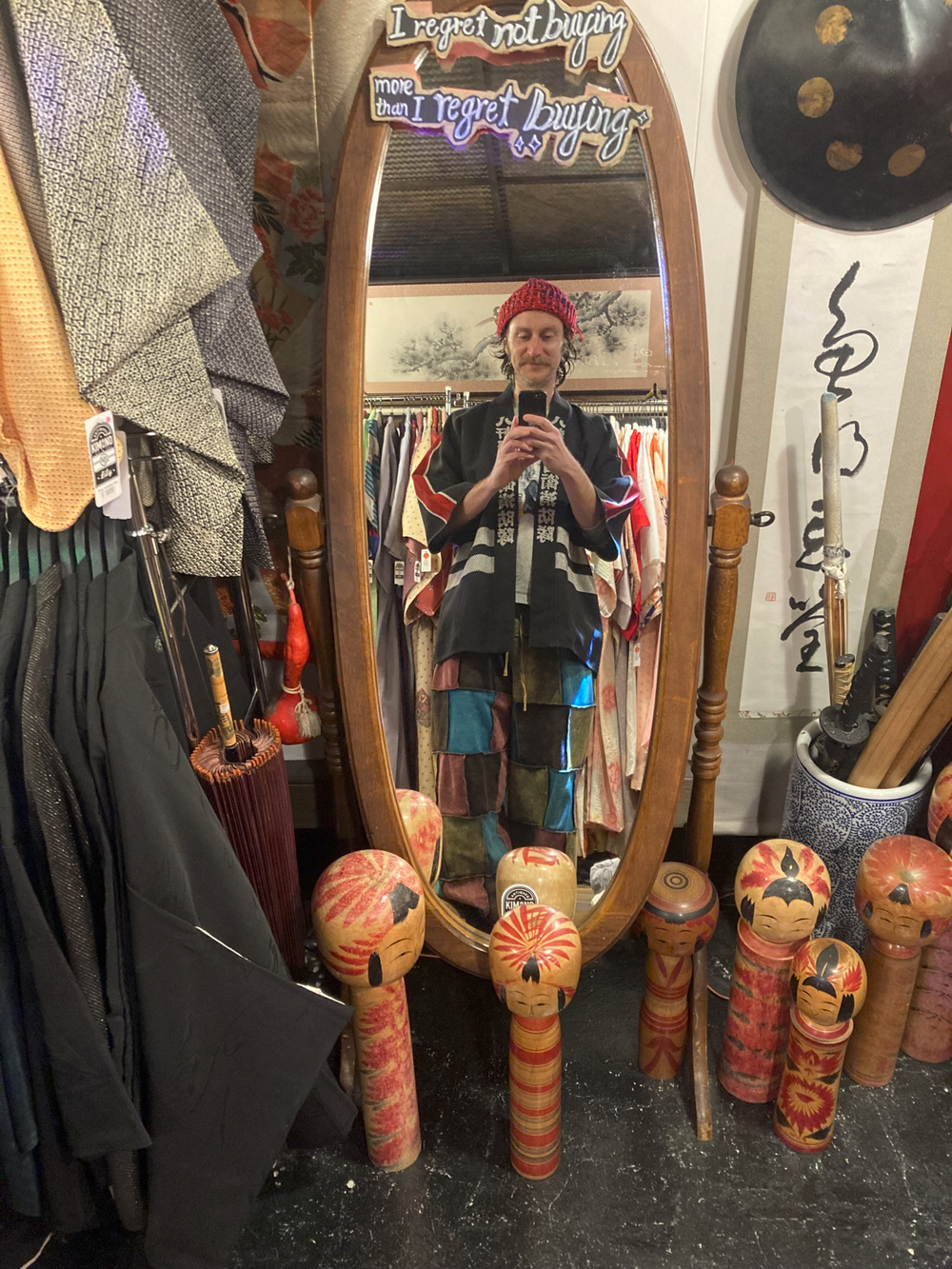 I found an old volunteer fireman’s jacket in an antique shop. It looked so cool but it wasn’t that comfortable or functional so I just took a photo with it and put it back. I did buy a kind of traditional jacket worn at onsen, though. I asked the proprietors of the shop about good coffee nearby and they sent me to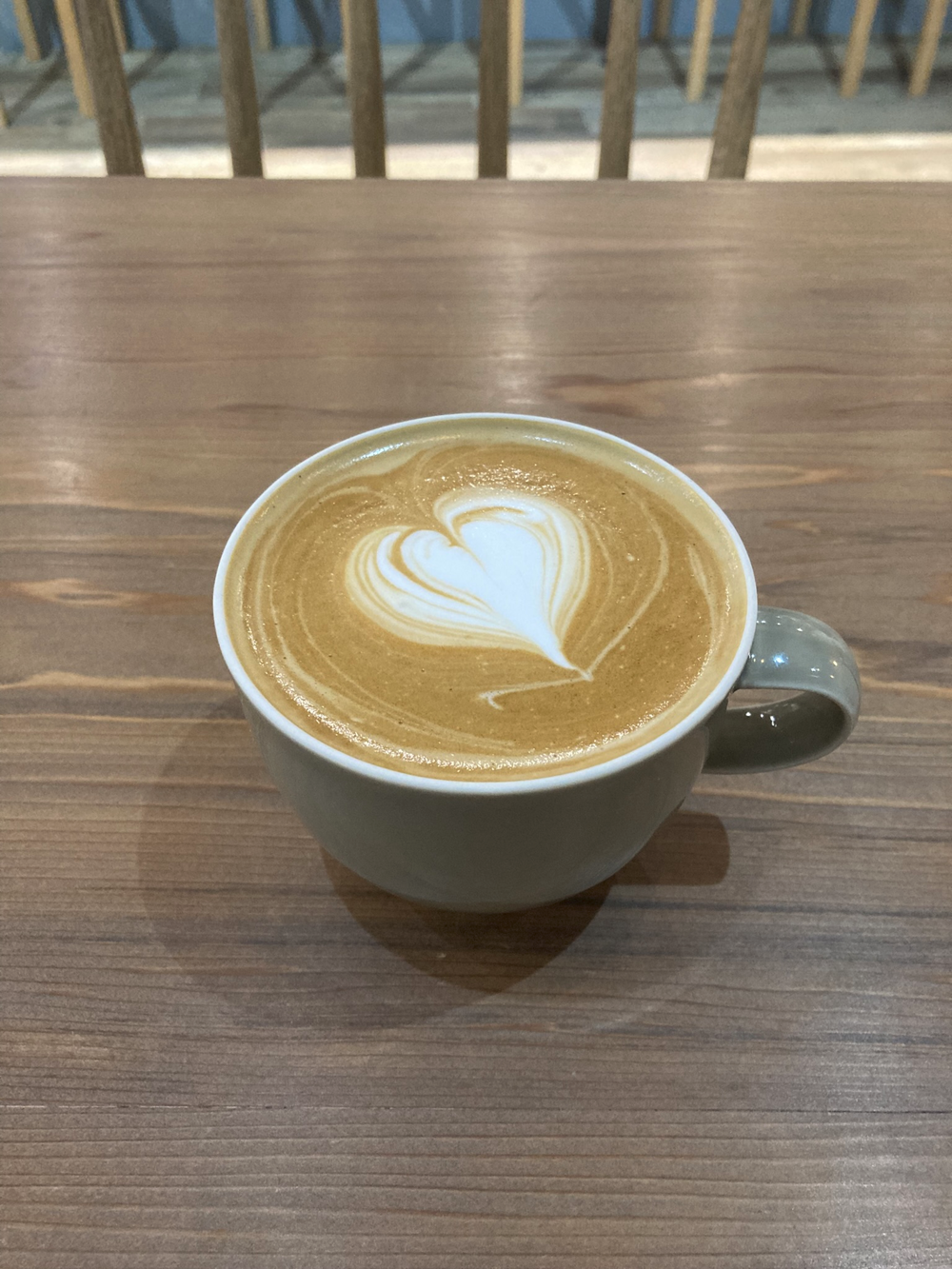
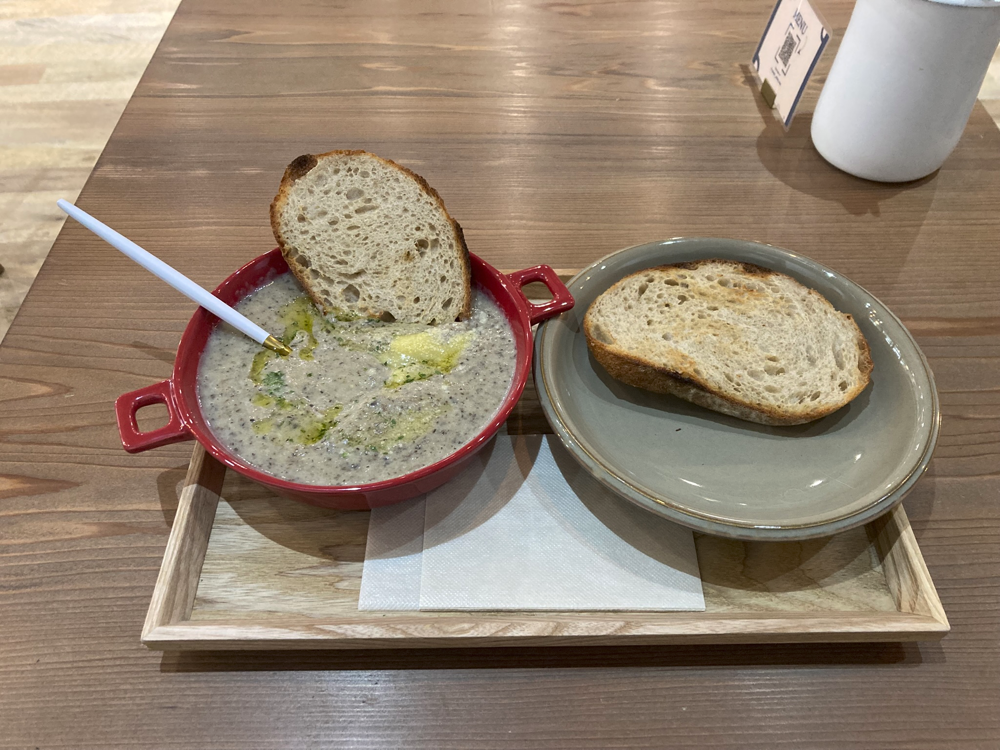 They did not let me down!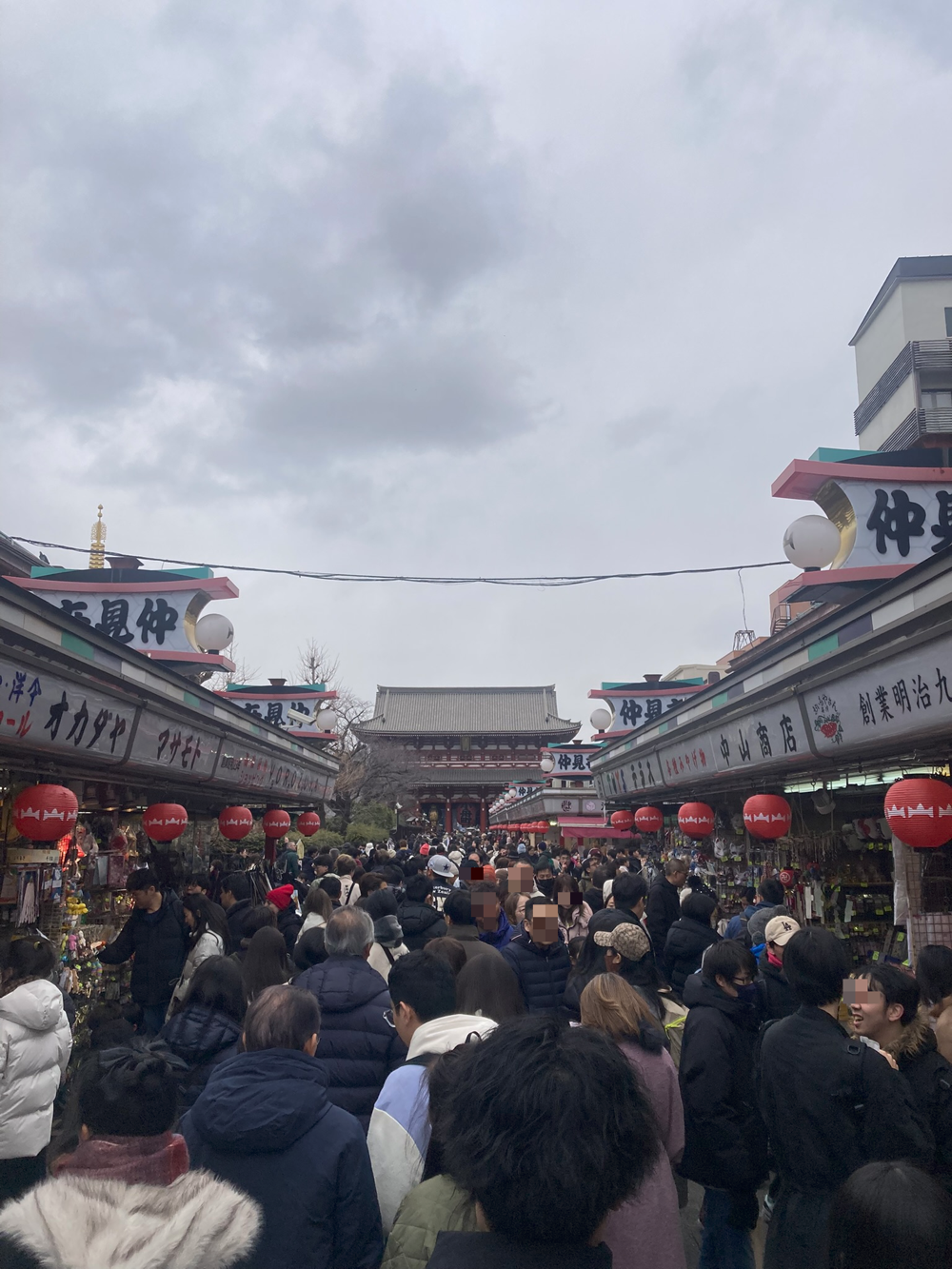
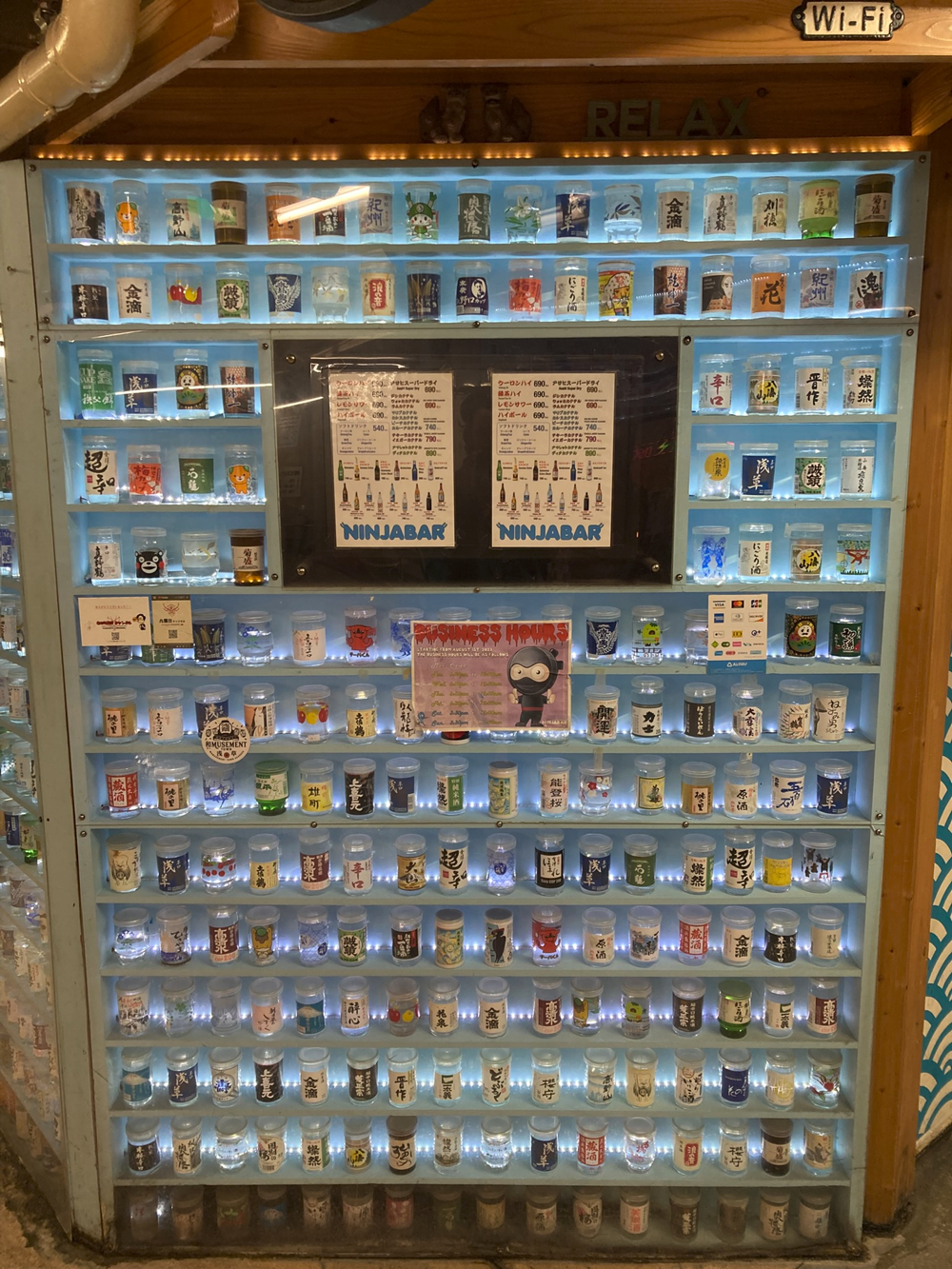
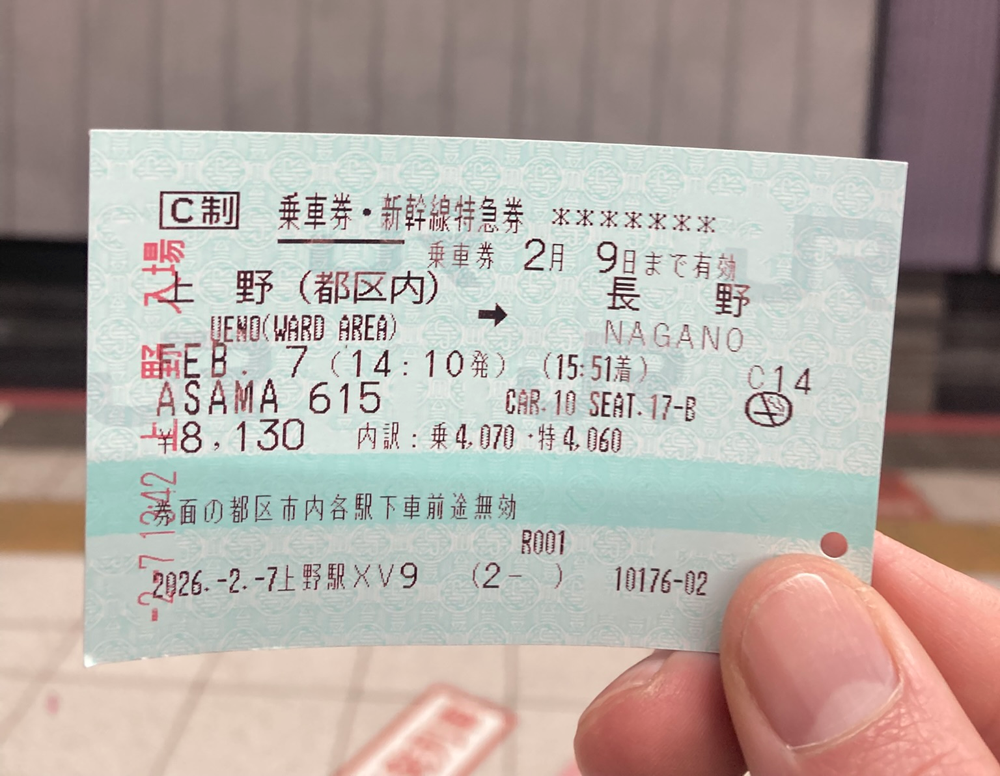
 A heartfelt thanks to all the Tokyoites who helped the poor lost foreigner.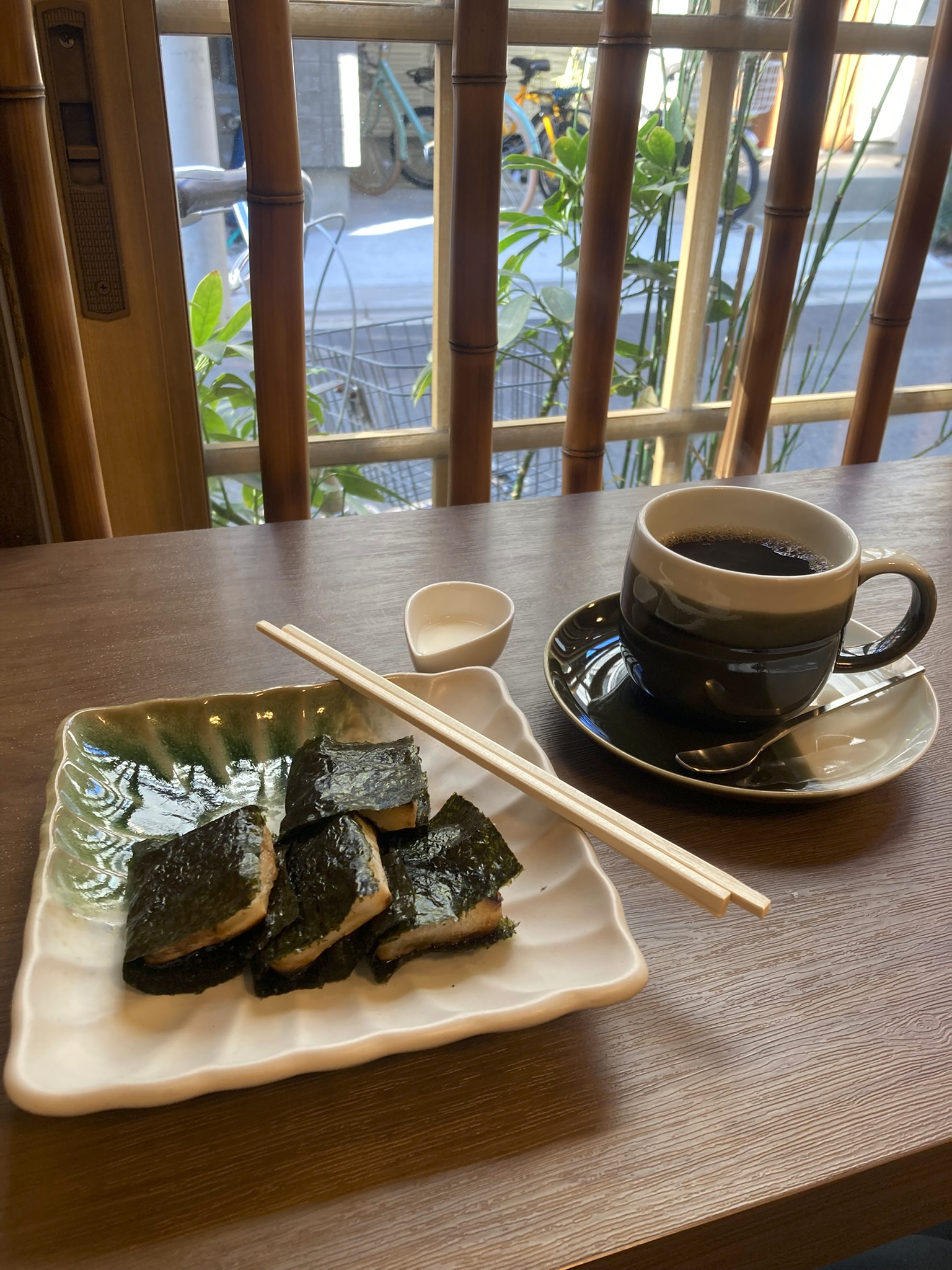
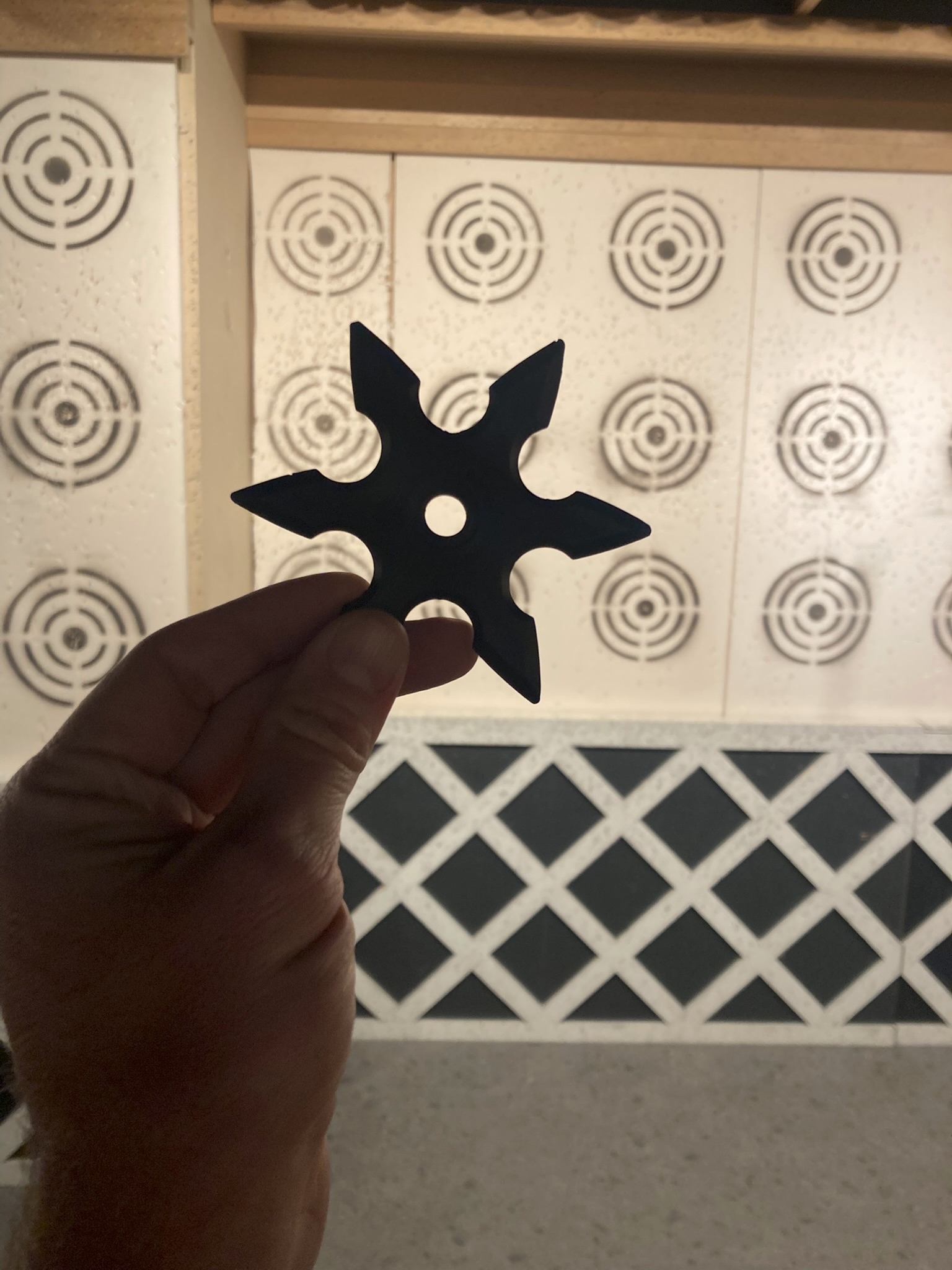 The stars were made of plastic, by the way.

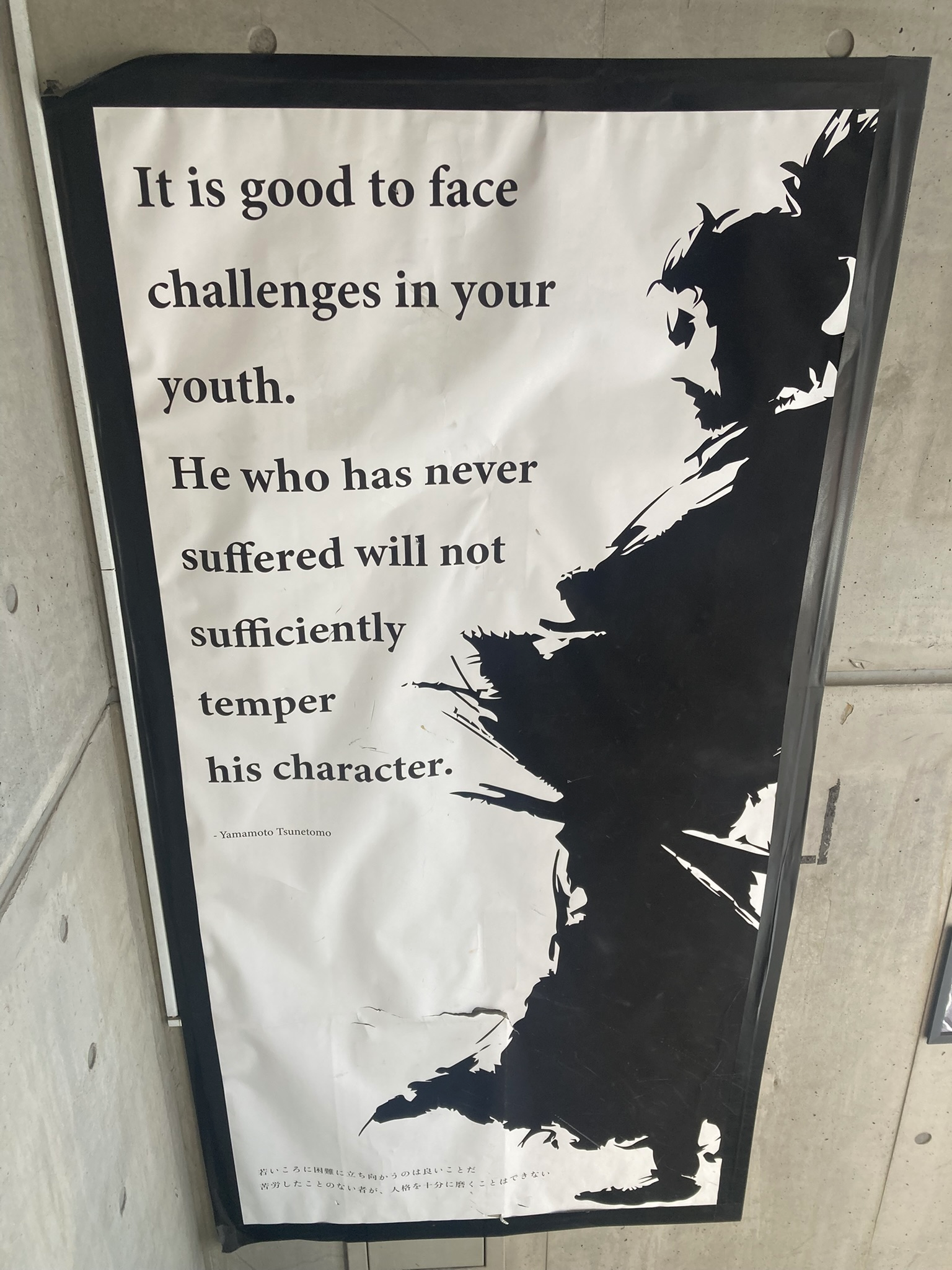
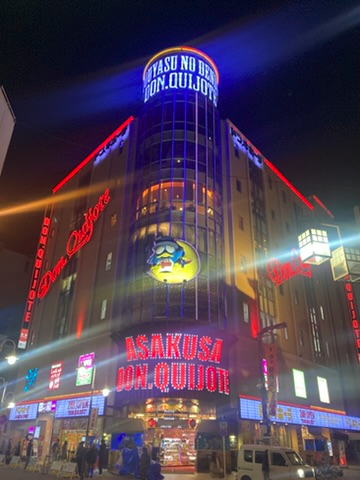 Equipped and amused, I started to wander around. The rest of the neighborhood is quiet. Most businesses are closed. People seem to be heading home. I walk by a tiny bar with a few patrons inside. Then I stumble upon Senso-ji, a Buddhist temple in heart of Asakusa.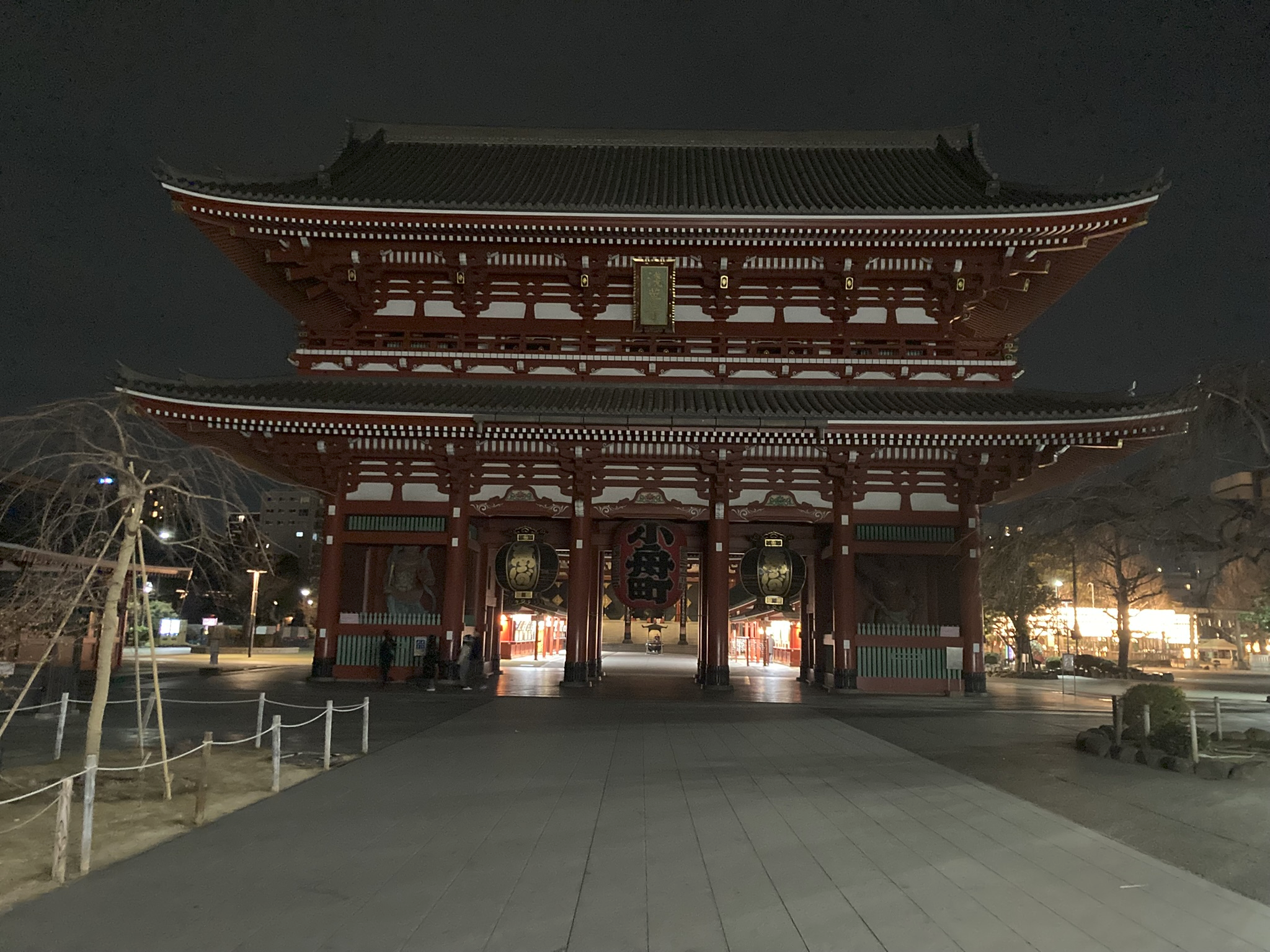
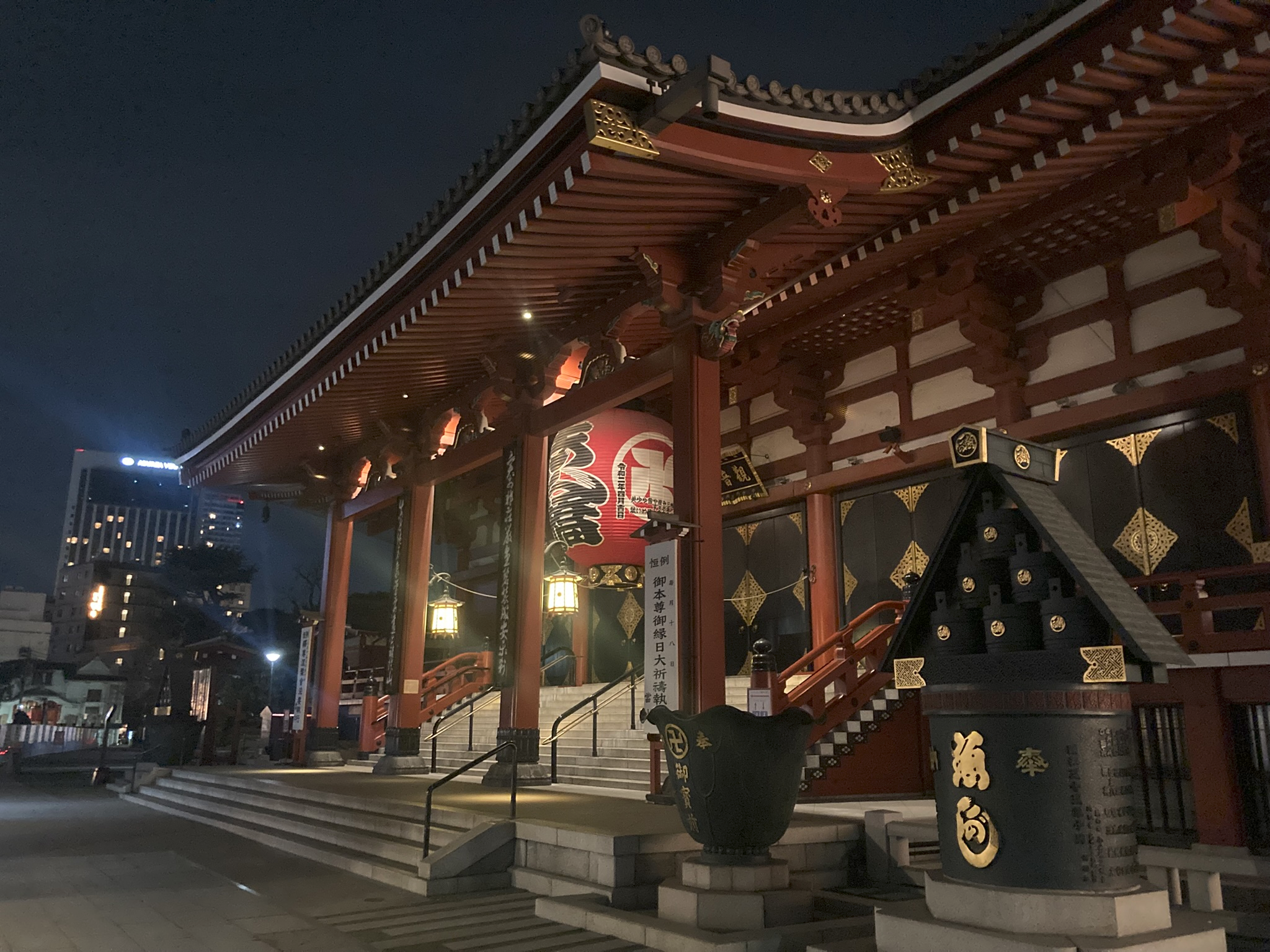 I wandered around a bit, the tranquility of the temple grounds giving me whiplash from having been in Don Quioxote minutes ago. A group of people go up and face the doors (above) stand shoulder to should, clap twice then bow.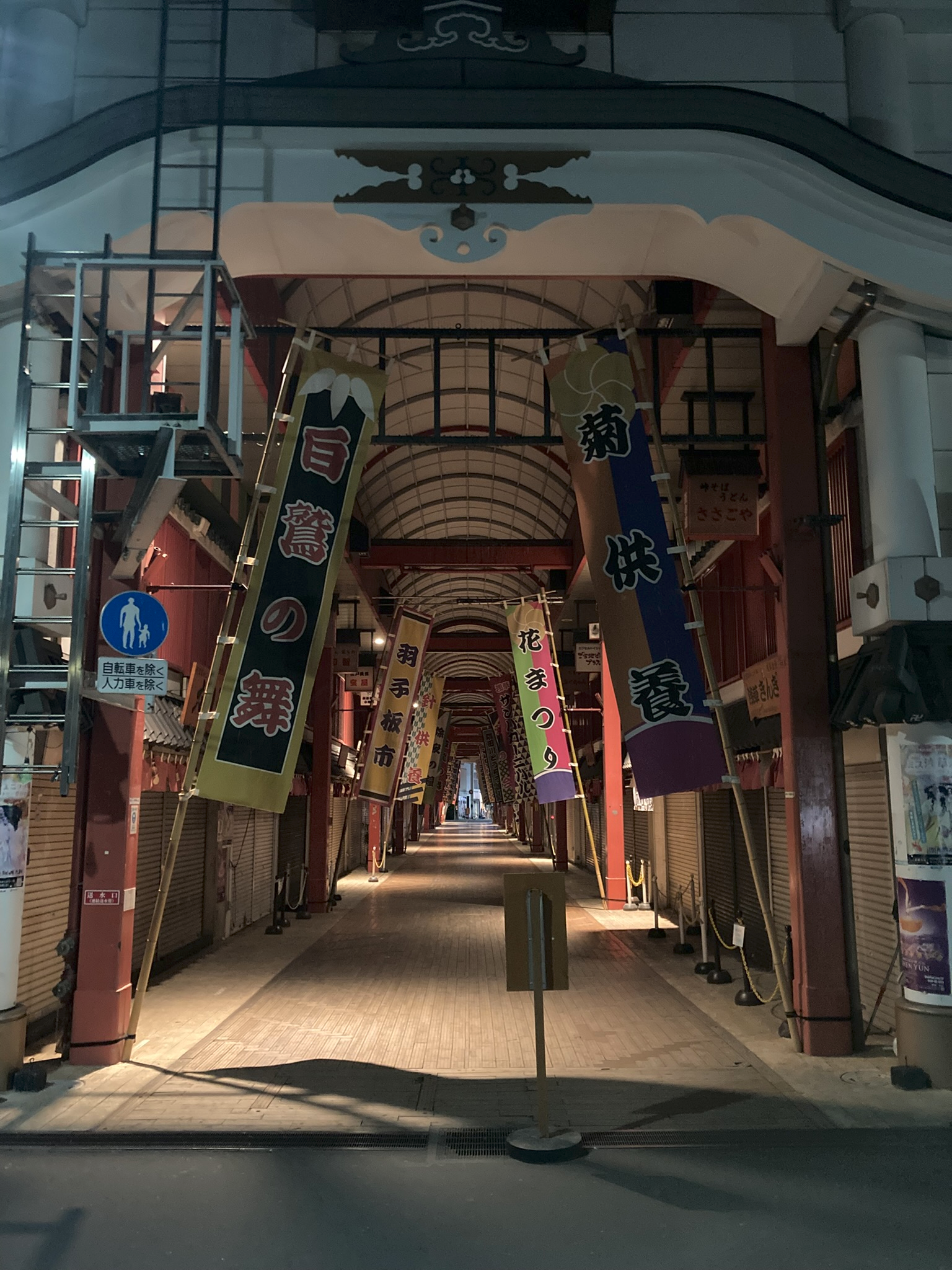
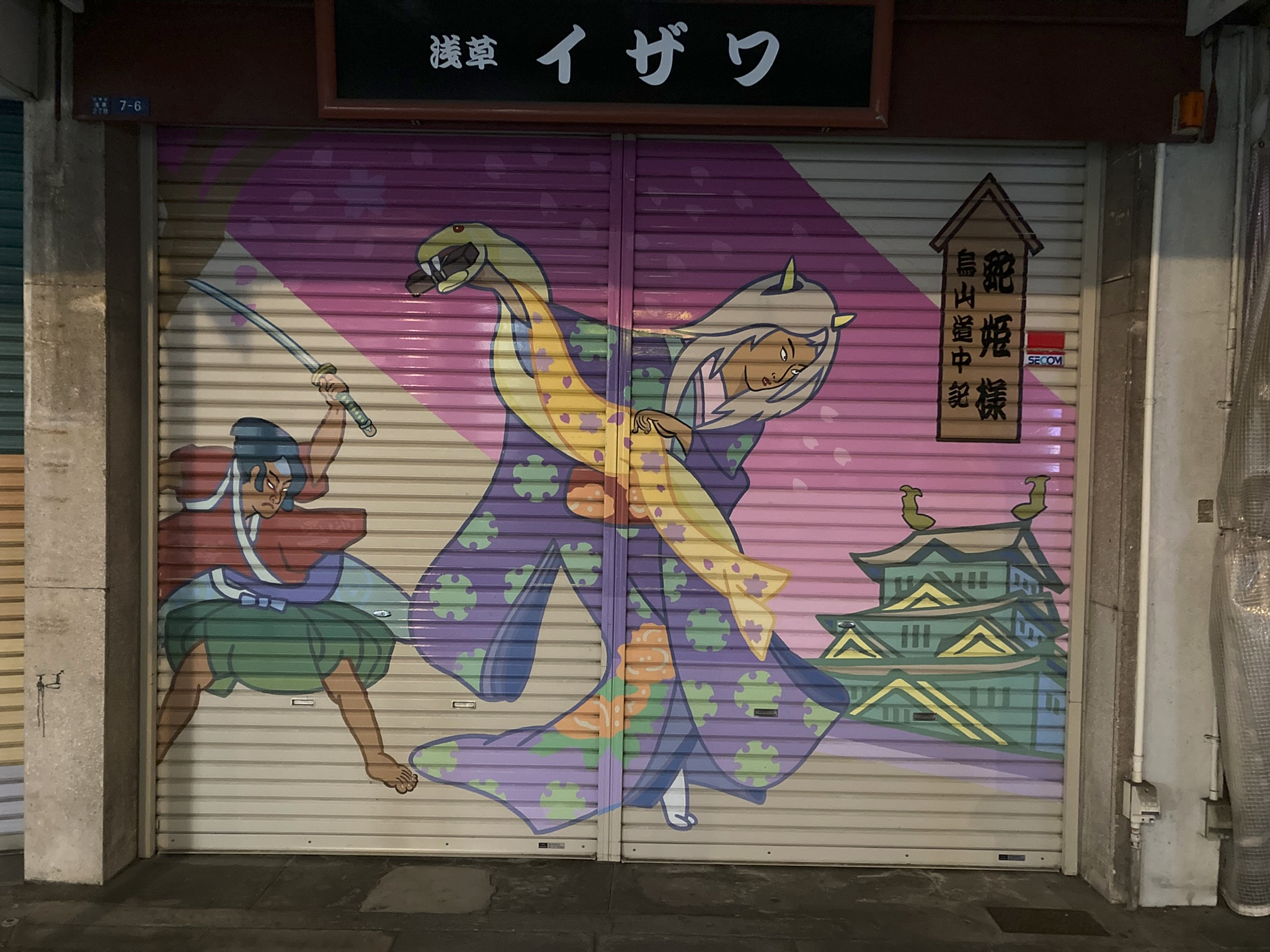
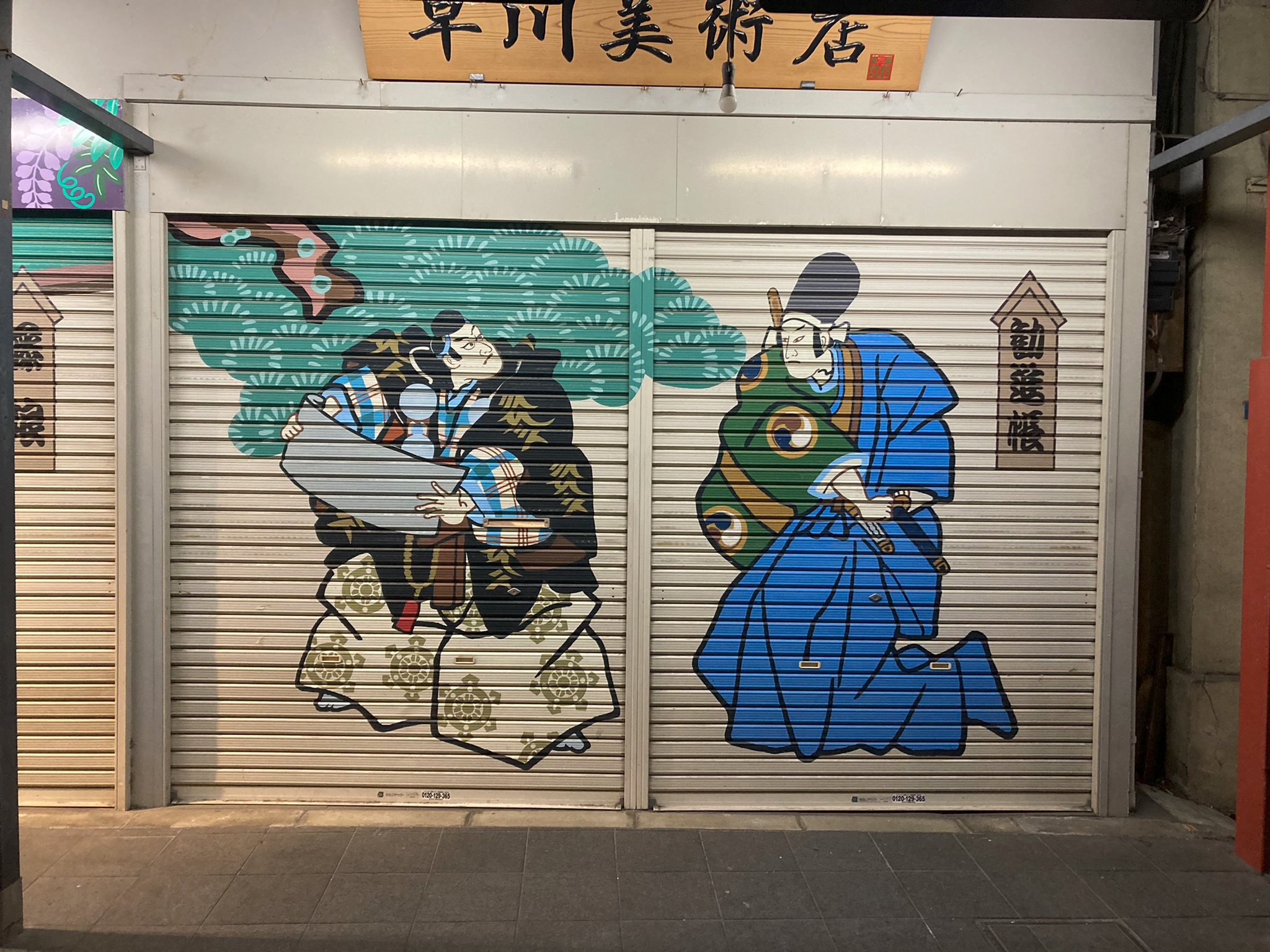
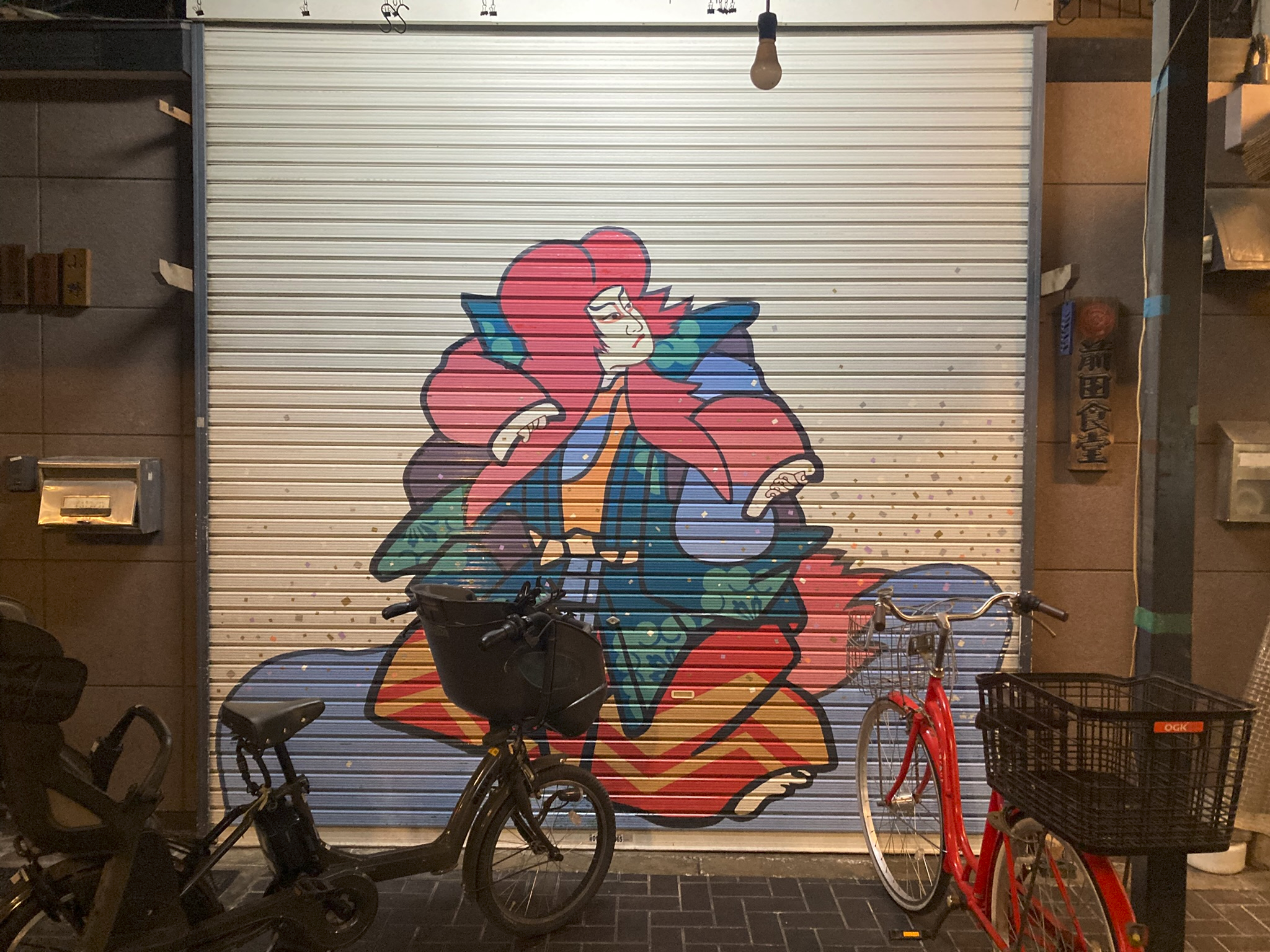
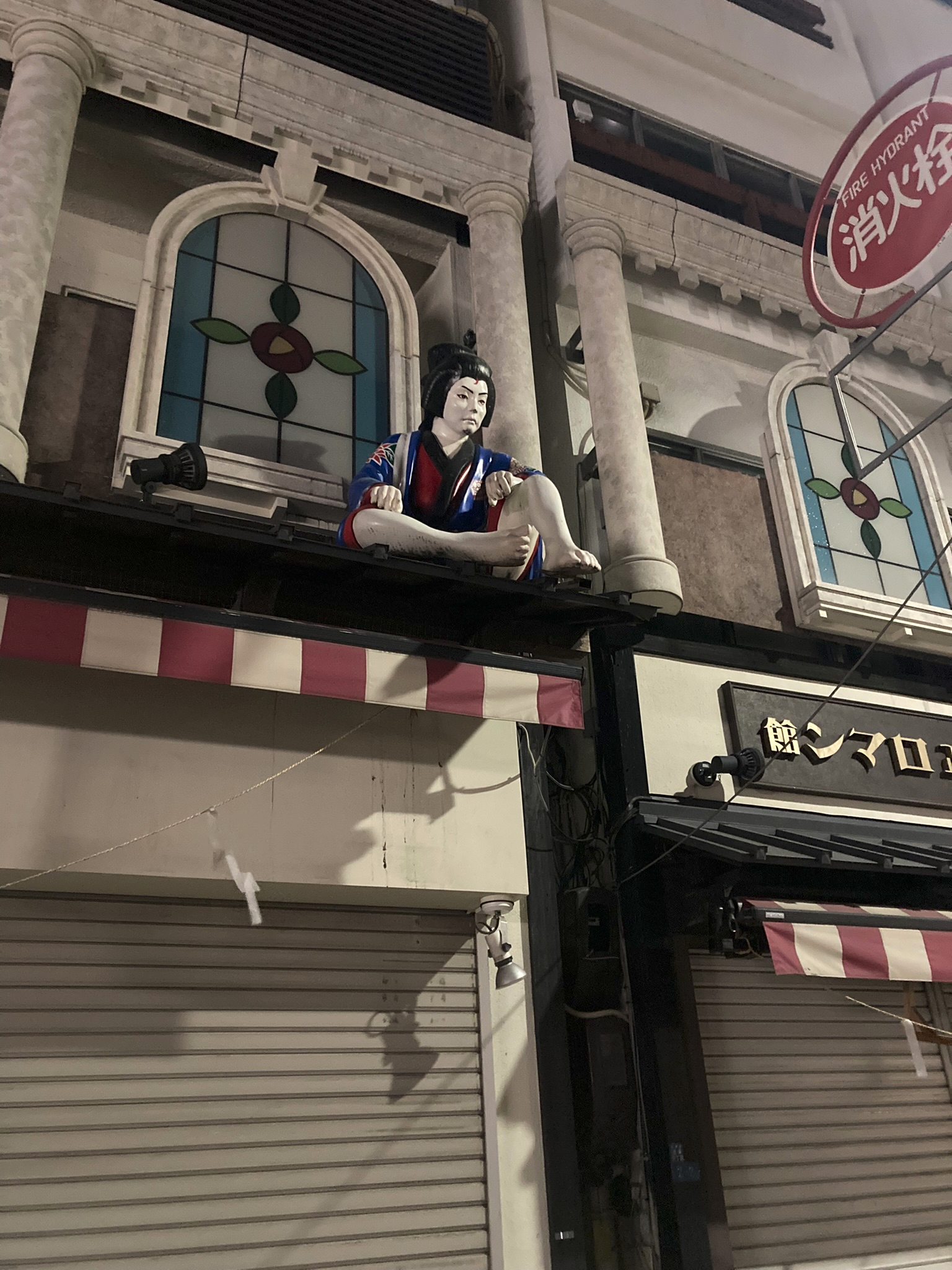
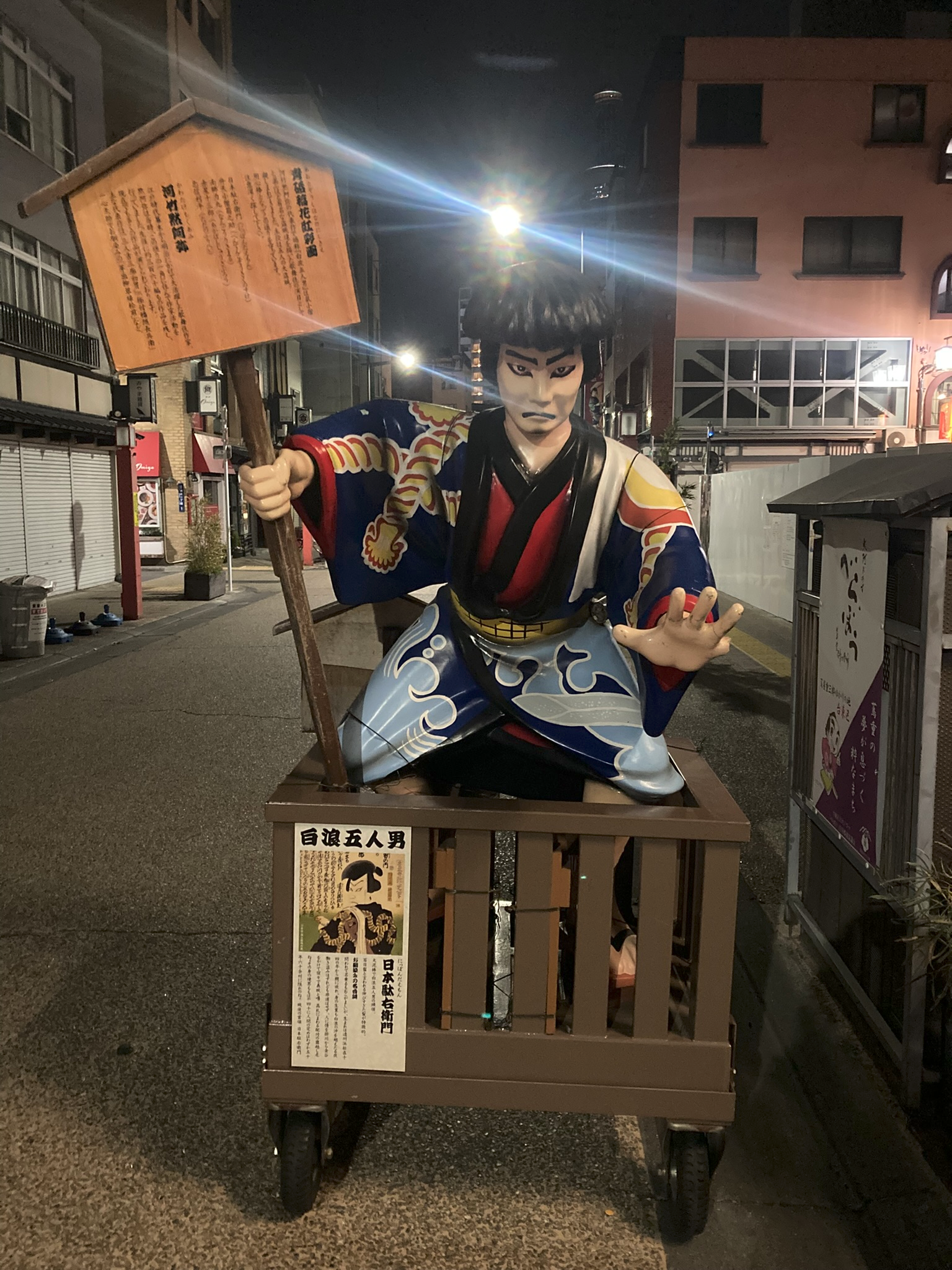 Okay, you’re right, I should go get some sleep, I thought as I came upon an imploring figure. I went back to the ryokan and zonked out.
 Kappabashi, why do you taunt me so?
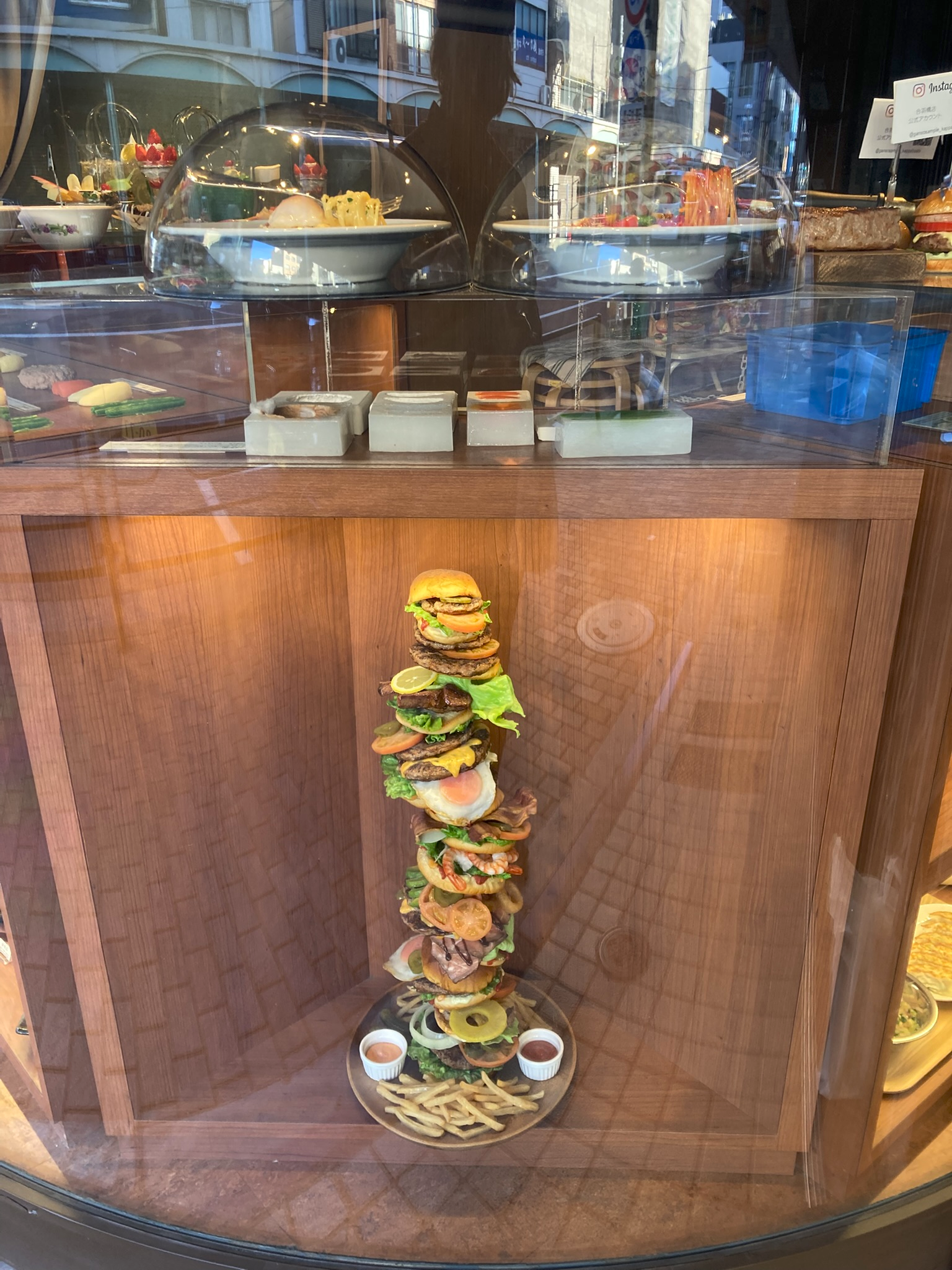
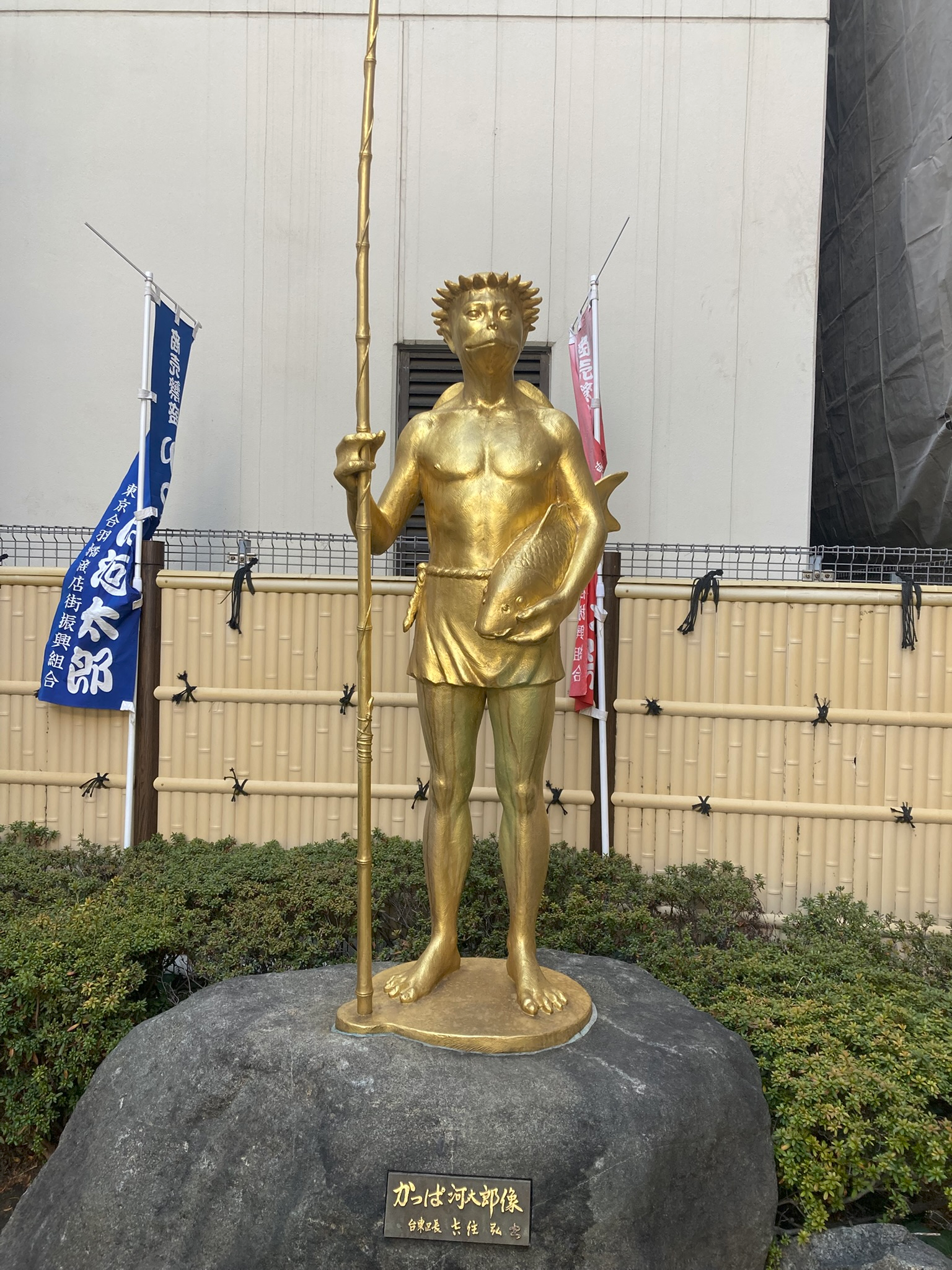 And another interepretation:
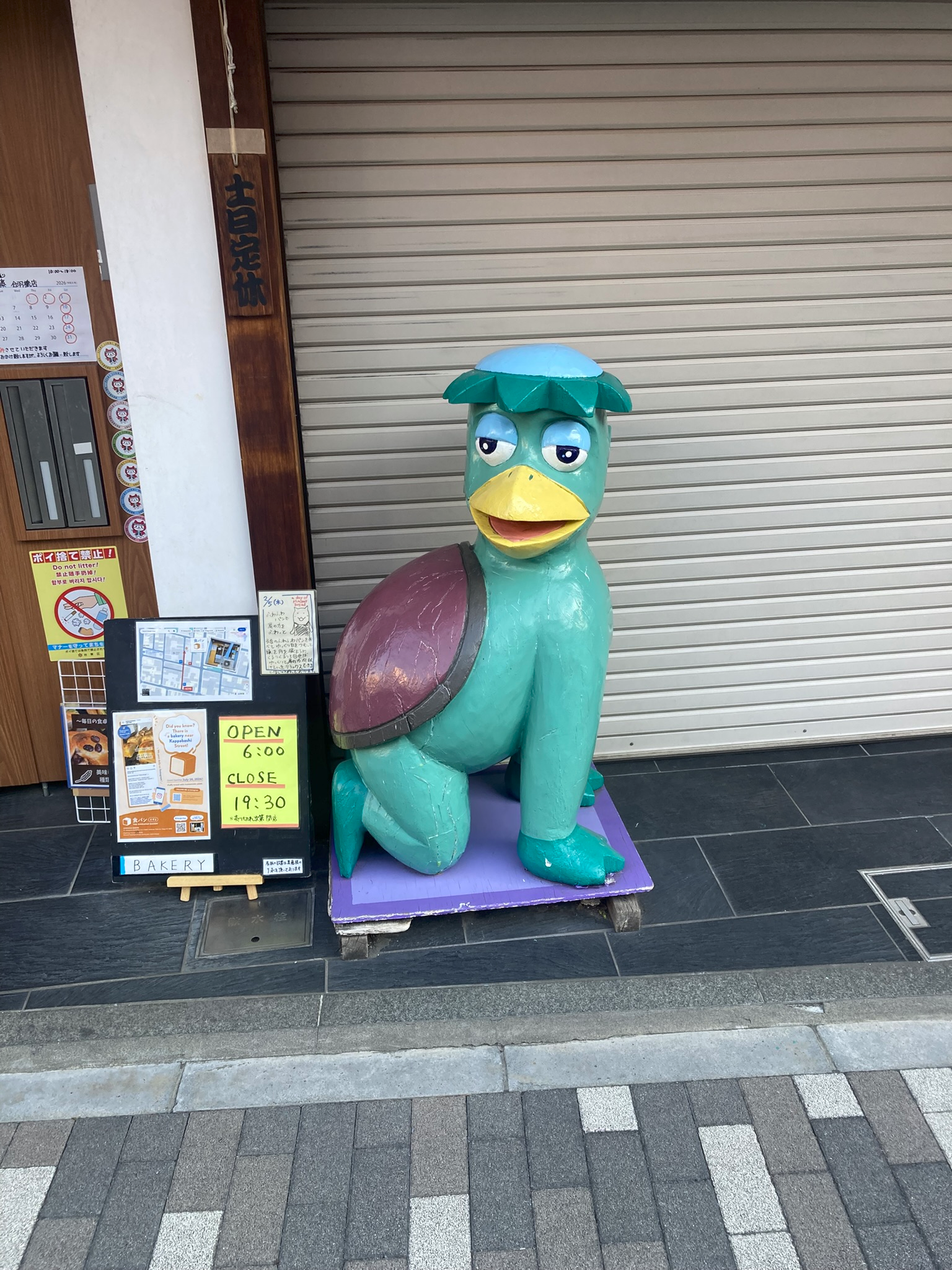
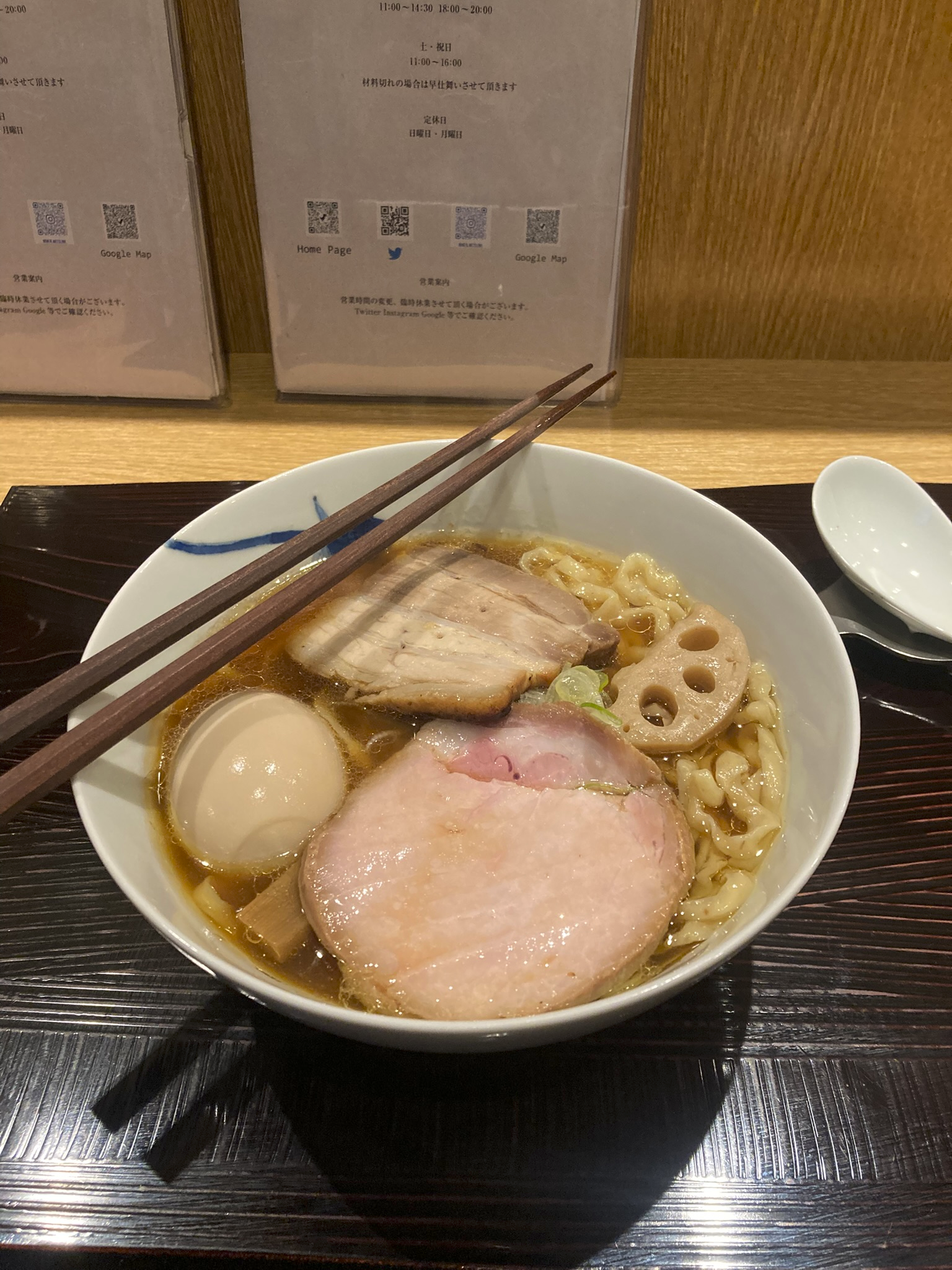 For dinner, I met up with someone for conveyor belt sushi in Kawaguchi, Saitama. I had only met her via video call before, via some mutual friends. From Japan, she went to high school and college in the states, and now lives in Kawaguchi and runs an English language school while raising her daughter. We talked about what we like about each others' birth country, the foods, the media, the lifestyles and less tangible assets. Maybe it’s a grass is always greener thing, but she did live in my country for several years, while I’ve only been to her country for several weeks. It was good to hear a locals perspective on this place, it reminded me that I’m privileged to be able to travel like this.
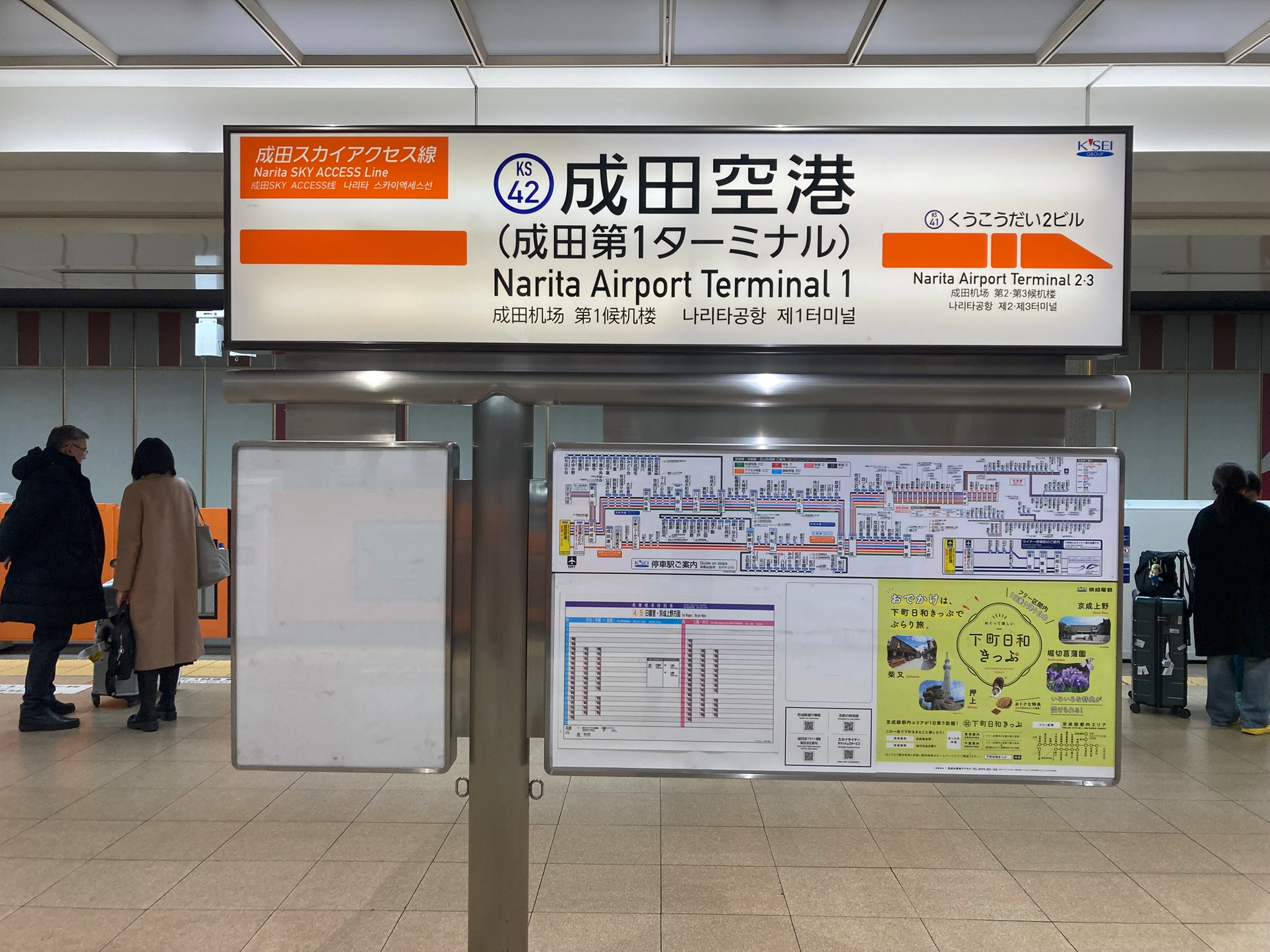 I’d rather be overwhelmed than underwhelmed when it comes to public transit.
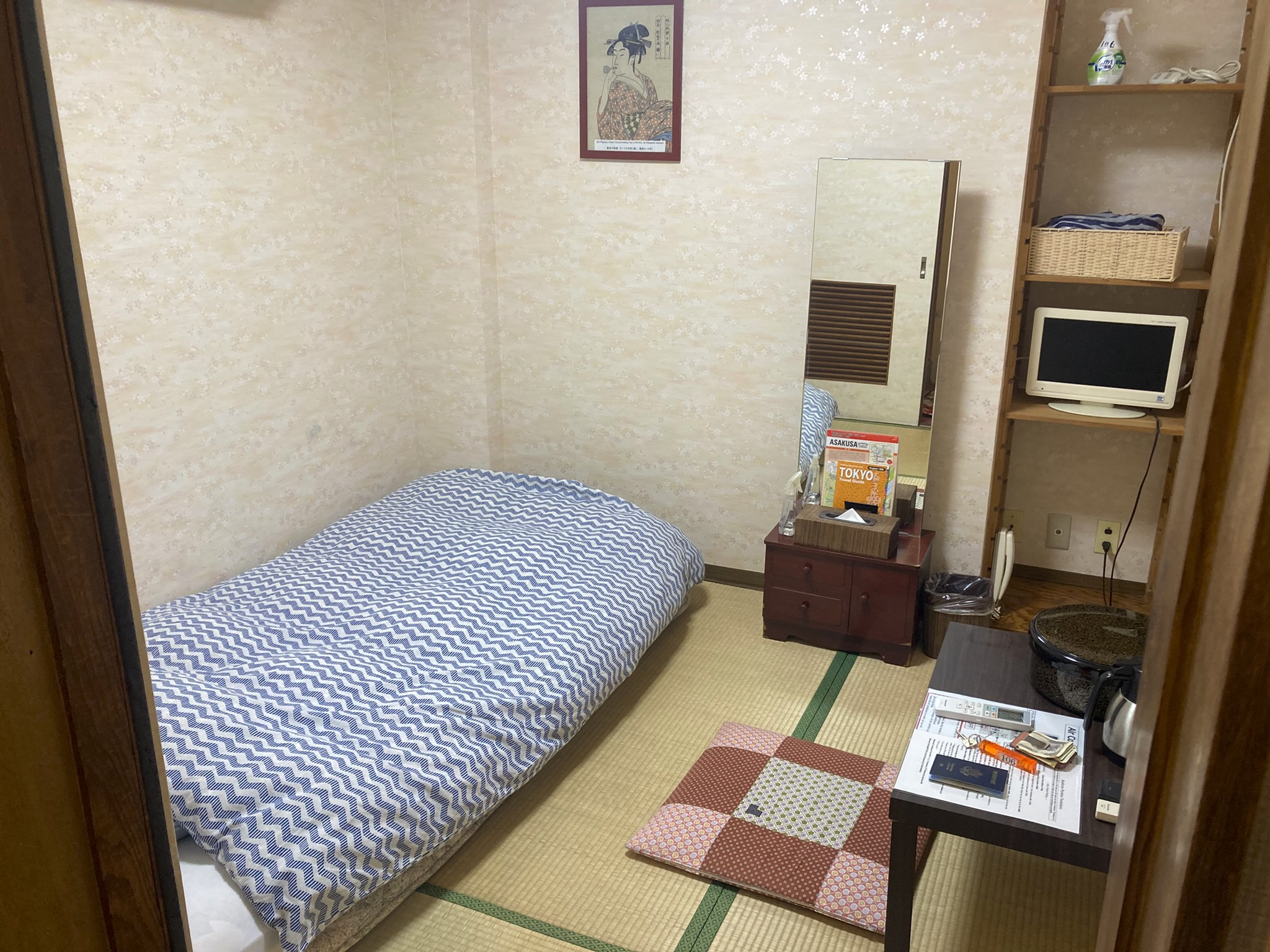 My room at the ryokan. All mine, all 50 sq feet!
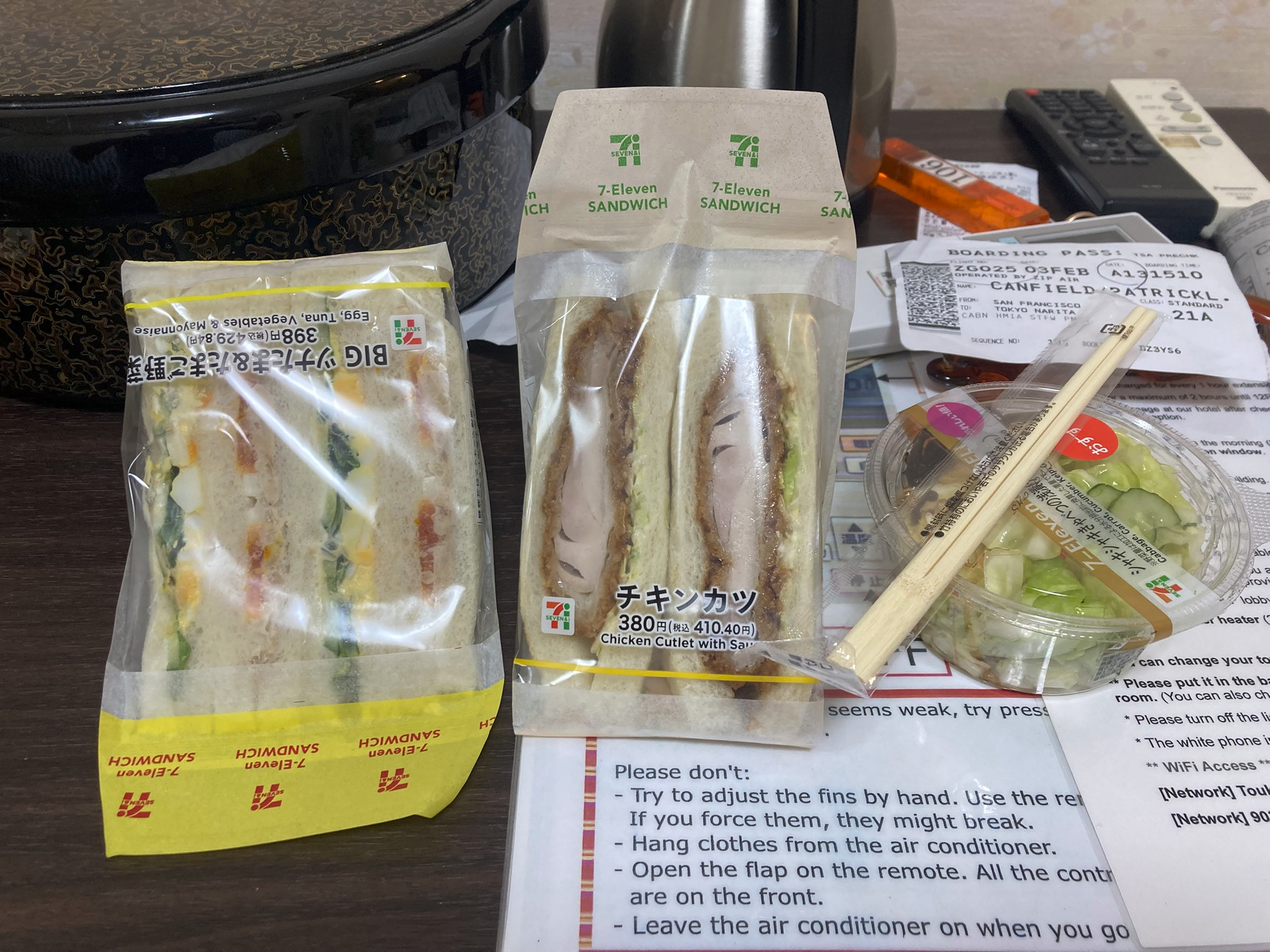 For my first meal, I made a bee line to the 7-eleven and got some sandos and a salad. Healthy and economical. After I finish writing this I’ll see what’s going on around here on a Wednesday evening.